
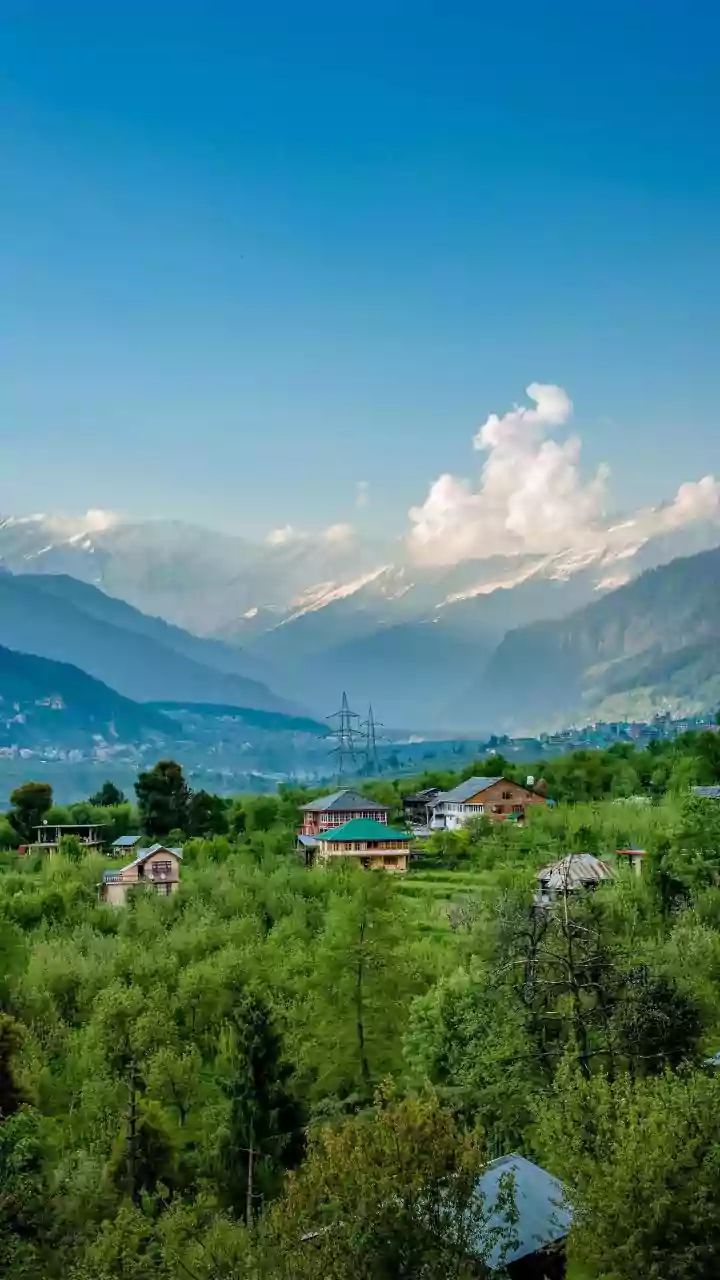

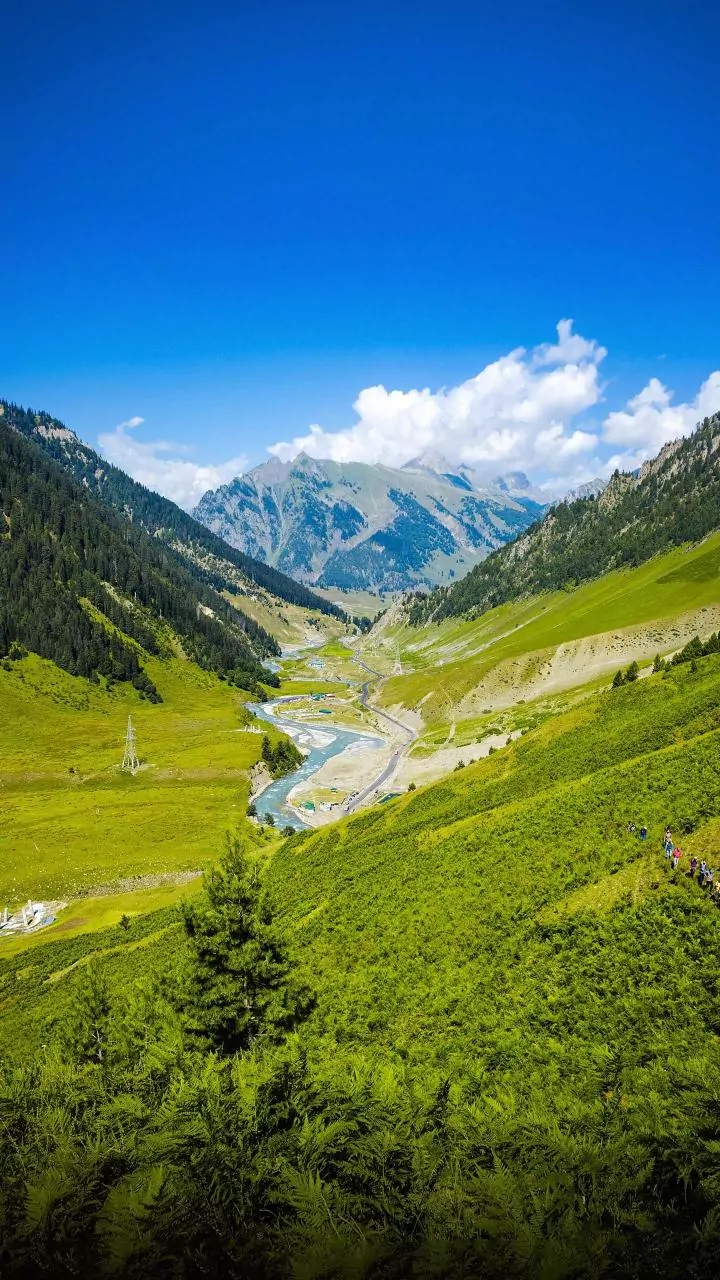


The Himalayas: Landslides and Blocked Roads
States like Himachal Pradesh and Uttarakhand are magnets for monsoon travellers, but their mountainous terrain makes them highly susceptible to weather-related dangers. The primary risks here are landslides and flash floods. Intense rainfall can saturate
the soil on steep slopes, leading to devastating landslides that can block major highways like those connecting Kullu-Manali or the Char Dham routes for hours or even days. Just this week, authorities in Uttarakhand have been on alert, advising travellers to check weather conditions due to heavy rain forecasts and the significant risk of landslides and rising water levels. Before travelling, always check the latest advisories from the India Meteorological Department (IMD) and local authorities. It is wise to have buffer days in your itinerary and avoid travelling on roads marked as vulnerable, especially during red or orange alerts.
Goa & The Konkan Coast: Rough Seas and Waterlogging
Goa during the monsoon is serene, but it's a different experience from its sunny peak season. The biggest risk here is the turbulent sea. Strong currents and high waves make swimming extremely dangerous, and most beaches are red-flagged, prohibiting entry into the water. Water sports are suspended for safety reasons. While widespread flooding is less of a concern than in the mountains, heavy downpours can cause significant waterlogging on roads, especially in low-lying areas. This can disrupt local travel, making scooter rentals a risky choice on slippery, unfamiliar roads. Recent forecasts for the Konkan and Goa region have warned of widespread rainfall, advising travellers to expect delays and monitor coastal conditions. Always prioritize staying in accessible areas and avoid remote travel during periods of intense rain.
Kerala: Flooding and Swollen Rivers
Known for its two monsoon seasons, Kerala's landscape transforms into a vibrant green paradise. However, the intensity of the southwest monsoon can pose serious risks, particularly flooding in low-lying areas and backwaters. Excessive rainfall can cause rivers to swell rapidly, leading to flood situations in districts like Pathanamthitta and Kasaragod. Authorities often issue warnings and may restrict travel to hilly and flood-prone regions during heavy downpours. Recent IMD forecasts have indicated that Kerala will continue to receive fairly widespread rainfall, with alerts for thunderstorms and strong winds. If you are travelling to the Western Ghats region, such as Munnar or Wayanad, be aware that the risk of landslides increases significantly after continuous rain. Always follow local guidance and avoid entering swollen rivers or waterlogged streets.
General Safety Tips for Monsoon Travel
Regardless of your destination, a few universal precautions can ensure a safer monsoon journey. First, always monitor the IMD weather forecasts and local news for alerts related to your specific location. Second, pack appropriately with waterproof gear, quick-drying clothes, and sturdy footwear with good grip. It's also wise to carry a basic first-aid kit and any necessary medications, as access to pharmacies could be disrupted. Keep your electronic devices charged and carry a power bank, as power outages can occur during severe weather. Finally, maintain a flexible itinerary. Road closures, train delays, and cancelled flights are common occurrences during the monsoon, and having a backup plan can save you from significant stress and potential danger.