







The Magic of Monsoon Melodies
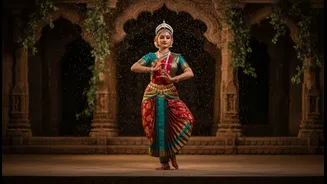
The connection between the Indian monsoon and its classical arts is ancient and profound. The pitter-patter of raindrops has inspired poets and musicians for centuries, leading to the creation of specific musical modes, or ragas, meant to be performed
during this season. The Malhar family of ragas, for instance, is synonymous with the rains, believed to have the power to invoke a downpour. Similarly, semi-classical forms like thumri, dadra, and kajri often express the longing and romance associated with the monsoon. This is not just a historical tradition; it is a living one. Major cultural institutions across the country curate special monsoon-themed programming, where audiences can experience these powerful compositions. These events provide a sensory immersion, where the weather outside the auditorium complements the art being performed within, creating an unforgettable atmosphere.
Cultural Hubs: Mumbai
Mumbai, a city that loves both its monsoon and its arts, is a prime destination for a cultural sojourn. The National Centre for the Performing Arts (NCPA) at Nariman Point is at the heart of this activity. Throughout July and August, it frequently hosts events specifically celebrating the season, such as 'Ghan Garaje: Monsoon Melodies', featuring rain-themed ragas and folk forms. Their calendar is packed with classical music and dance performances, making it a reliable stop for any arts lover. Before an evening performance at the NCPA, you can spend the day exploring the rich heritage of South Mumbai. A short taxi ride will take you to the Gateway of India, a monument that is especially dramatic under monsoon clouds. From there, you can explore the UNESCO World Heritage ensemble of Victorian Gothic and Art Deco buildings. Also nearby are the Chhatrapati Shivaji Maharaj Vastu Sangrahalaya, a premier museum, and the historic Kala Ghoda arts precinct, home to galleries and charming cafes.
Cultural Hubs: Delhi
In the nation's capital, the India Habitat Centre (IHC) is a key venue for high-quality cultural programming. Its calendar during the monsoon months often features a diverse mix of classical music recitals, dance performances, and thought-provoking talks. Venues like the IHC and Kamani Auditorium become hubs of activity as the city’s cultural life moves indoors to escape the heat and rain, offering a cool respite for families and tourists. Pairing a performance at the IHC with a heritage tour is easy, given its central location. Just a few kilometres away lies the magnificent Humayun's Tomb, a UNESCO World Heritage site whose gardens are lush and vibrant after the rains. You can also find a moment of peace at the nearby Lodi Gardens, dotted with medieval tombs amidst beautifully landscaped greenery. A walk or drive past India Gate, another iconic landmark, completes a day steeped in Delhi's history and culture before you settle in for an evening of performance art.
Planning Your Cultural Outing
To make the most of your cultural journey, planning is key. The first step is to check the official websites of major venues like the NCPA in Mumbai and the India Habitat Centre in Delhi. They publish their monthly schedules well in advance, allowing you to see what’s on during your visit. Online ticketing platforms are the easiest way to book seats, especially for popular performances which can sell out quickly. For families, it’s wise to check the age limit for performances, as some classical events may require a quiet audience. When travelling between venues and heritage sites during the monsoon, be sure to account for traffic, which can be unpredictable. Pack light rainwear and comfortable, water-resistant footwear. Embracing the season’s challenges is part of the experience, and with a little preparation, a monsoon cultural tour can be one of the most rewarding ways to explore India's cities.