




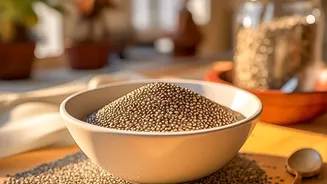
Starting your day with a balanced, blood-sugar-friendly breakfast is crucial for managing diabetes. A simple yet powerful way to enhance your morning meal is by adding nutrient-dense seeds, which are packed with fibre, protein, and healthy fats.
1. Flax Seeds: A Fibre and Omega-3 Powerhouse
Flax seeds
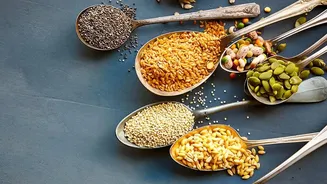
are celebrated for their impressive nutritional profile, making them a top choice for a diabetes-friendly diet. They are exceptionally high in dietary fibre, particularly soluble fibre, which plays a significant role in blood sugar management. This type of fibre slows down the digestion of carbohydrates and the absorption of sugar, helping to prevent sharp spikes in blood glucose after a meal. Additionally, flax seeds are a leading plant-based source of alpha-linolenic acid (ALA), an omega-3 fatty acid known for its anti-inflammatory properties that may improve insulin sensitivity. Studies have indicated that regular consumption of flaxseed can lead to meaningful reductions in fasting blood sugar and HbA1c levels, a marker of long-term glucose control. For the best absorption of these nutrients, it is recommended to consume flax seeds in their ground form. Sprinkle a tablespoon of ground flaxseed over oatmeal, blend it into smoothies, or mix it into yoghurt for an easy and effective nutritional boost.
2. Chia Seeds: The Low-Glycemic Hero
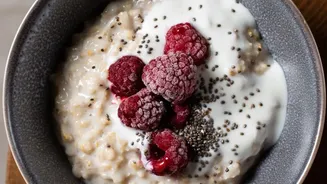
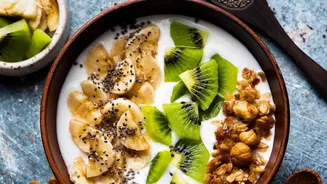
Don't be fooled by their tiny size; chia seeds are nutritional giants. They are particularly beneficial for diabetes management due to their extremely high fibre content—a two-tablespoon serving provides around 10 grams. This fibre, when mixed with liquid, forms a gel-like substance in your stomach. This process slows digestion, promotes a feeling of fullness that can aid in weight management, and, most importantly, leads to a more gradual release of glucose into the bloodstream. Chia seeds have a very low glycemic index (GI), meaning they have a minimal impact on blood sugar levels. Studies have shown they can help stabilise post-meal blood sugar levels. Beyond fibre, chia seeds are a good source of plant-based protein, omega-3 fatty acids, and essential minerals like magnesium, which is vital for insulin function. Prepare a simple chia seed pudding overnight, or sprinkle them onto cottage cheese or into your morning smoothie.
3. Pumpkin Seeds: A Magnesium-Rich Choice
Pumpkin seeds, also known as pepitas, are a delicious and nutrient-dense option. They are one of the best natural sources of magnesium, a mineral that plays a crucial role in over 300 bodily processes, including glucose metabolism and insulin regulation. Research has linked adequate magnesium intake with improved insulin sensitivity and a lower risk of type 2 diabetes. In addition to magnesium, pumpkin seeds provide a healthy dose of fibre, plant-based protein, and unsaturated fats. This combination helps slow down carbohydrate absorption and promotes satiety. Some studies suggest that consuming pumpkin seeds with a meal can reduce the post-meal blood sugar spike significantly. Enjoy a small handful of roasted pumpkin seeds as a snack, or add them to yoghurt, oatmeal, or homemade granola for a satisfying crunch and a metabolic boost.
4. Sunflower Seeds: Full of Healthy Fats
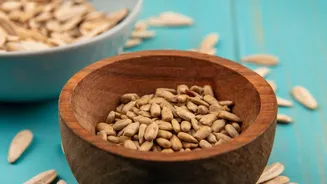
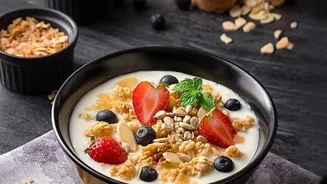
Sunflower seeds are packed with nutrients that support a diabetes friendly diet. They have a low glycemic index and a very low glycemic load, meaning they have a minimal effect on blood sugar levels. They are an excellent source of healthy fats, particularly monounsaturated and polyunsaturated fats, which can help slow digestion and prevent rapid blood sugar increases when part of a balanced meal. One study noted a significant drop in fasting blood glucose among participants with type 2 diabetes who added sunflower seeds to their diet. These seeds are also rich in vitamin E, a powerful antioxidant, and provide protein and fibre to help you feel full and satisfied. Sprinkle sunflower seeds over a breakfast salad, mix them into whole grain muffin batter, or simply pair a small portion with a piece of fruit for a balanced snack.
5. Sesame Seeds: Small but Mighty
Sesame seeds are rich in healthy fats, protein, fibre, and powerful compounds called lignans. Research suggests that these components can contribute to better glycemic control. Several studies and meta analyses have shown that regular consumption of sesame products—including whole seeds and oil—was associated with significant reductions in fasting blood sugar and HbA1c levels in people with type 2 diabetes. The healthy fats and fibre in sesame seeds help slow down digestion and glucose absorption, promoting satiety and stable energy levels. They are also a good source of magnesium and other minerals that support overall metabolic health. To incorporate them into your breakfast, you can sprinkle sesame seeds onto avocado toast, blend tahini (sesame seed paste) into a smoothie, or stir them into a bowl of warm oatmeal.