

The Science of a Complete Protein
Protein is essential for building and repairing tissues in our body, from muscles to skin and hair. Proteins themselves are made of smaller units called amino acids. There are 20 different amino acids, and nine of them are considered 'essential' because
our bodies cannot produce them. We must get these nine essential amino acids from the food we eat. A food source that contains all nine of these in adequate amounts is called a 'complete protein'. While most animal products like meat, eggs, and dairy are complete proteins, the majority of plant-based foods are 'incomplete', meaning they are low in one or more essential amino acids. This is why understanding how to combine plant foods is so important for those on a vegetarian or vegan diet.
Lentils and Rice: The Perfect Pair
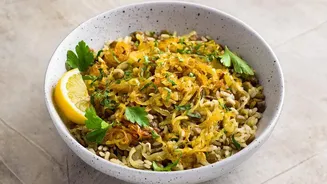
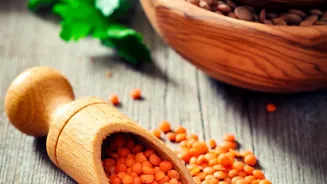
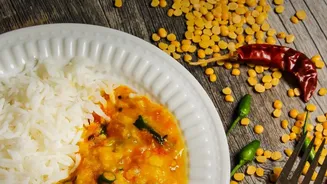
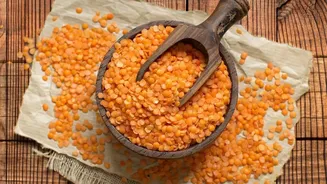
This is where the magic of pairing lentils (dal) and rice comes in. Lentils are nutritional powerhouses, packed with protein, fibre, and minerals like iron and folate. However, they are low in two sulphur-containing essential amino acids: methionine and cysteine. Rice, on the other hand, has an abundance of these two amino acids but is low in another essential one called lysine. Lentils happen to be an excellent source of lysine. When you eat them together, their amino acid profiles complement each other perfectly. The lysine from the lentils fills the gap in the rice, and the methionine and cysteine from the rice complete the profile of the lentils. This combination creates a meal with a complete set of essential amino acids, making it as high in quality as many animal-based proteins.
Dal-Chawal: A Tradition of Smart Nutrition
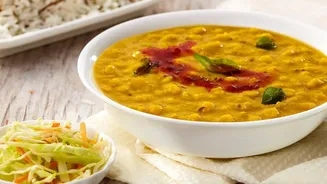
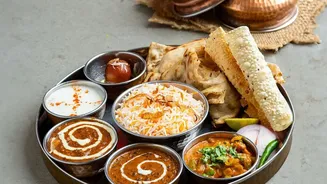
The classic Indian meal of dal-chawal is perhaps the most delicious and widespread example of this nutritional wisdom. It's a staple that has been nourishing people across the subcontinent for generations. This combination is not only a complete protein but also provides complex carbohydrates for sustained energy, dietary fibre for good digestion and gut health, and a host of essential vitamins and minerals. The fibre in dal helps slow down the absorption of sugar from the rice, leading to more stable blood sugar levels and a feeling of fullness that can help with weight management. Adding a dollop of ghee not only enhances the flavour but also provides healthy fats, which aid in the absorption of fat-soluble vitamins.
Getting the Most from Your Meal
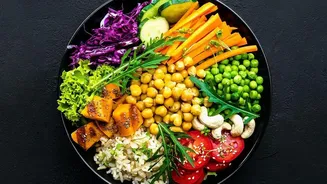
While the simple combination is powerful, you can enhance its nutritional value even further. Using brown or parboiled rice instead of polished white rice can increase the fibre, vitamin, and mineral content. Similarly, different types of lentils offer unique benefits; for example, moong dal is very easy to digest, while masoor dal is particularly rich in iron. To make your meal even more robust, add plenty of vegetables to your dal or as a side dish. This boosts the vitamin, mineral, and antioxidant content. A simple kachumber salad (chopped onions, tomatoes, and cucumber) on the side adds freshness and extra nutrients. Soaking lentils before cooking can also help reduce anti-nutrients and improve digestibility.
Does Timing Matter?
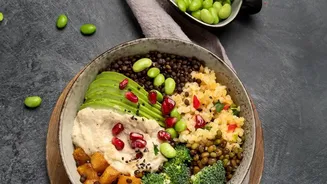
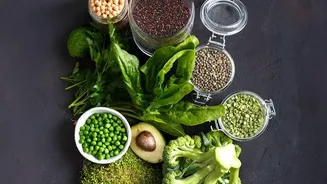
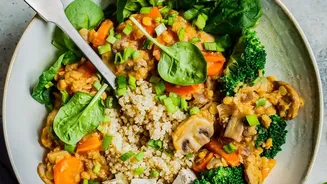
In the past, it was believed that complementary proteins had to be eaten in the very same meal to be effective. However, modern nutrition science has shown that our body maintains a reserve pool of amino acids throughout the day. This means that as long as you consume a variety of plant-based protein sources—like grains, legumes, nuts, and seeds—over the course of a day, your body can pull what it needs to create complete proteins. That said, pairing lentils and rice in one meal remains a simple, guaranteed, and highly effective strategy. It takes the guesswork out of planning and ensures that a single, satisfying meal is nutritionally complete.