




From Books to Power Drills
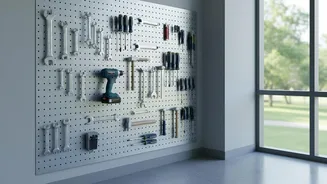
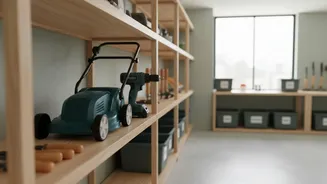
The concept of a library is evolving far beyond books. In bustling urban centres across India, a new kind of library is taking root within residential complexes: the ‘Library of Things’. Instead of borrowing novels, residents are borrowing power tools,
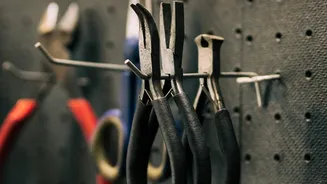
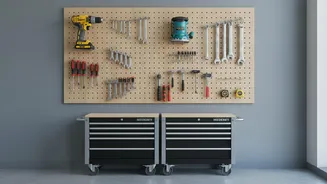
ladders, high-pressure washers, and even camping gear. These shared equipment libraries are physical spaces where sparingly used but often essential items are stored and made available to the entire community. Run by resident welfare associations or managed through society management apps, they allow people to access items they might only need once or twice a year without the burden of purchasing, storing, and maintaining them. The inventory is often built through a combination of community donations and direct procurement by the society, creating a communal pool of resources accessible to all.
The Core of Eco-Friendly Living
At its heart, this movement is a powerful push towards sustainable urban living. The modern culture of hyper-consumption means many households own items that are used for mere minutes over their entire lifespan; a drill, for instance, is used on average for only 13 minutes. This model of individual ownership is an inefficient use of resources on a planet with finite limits. Every product manufactured carries an environmental footprint, from the extraction of raw materials and energy consumed during production to the emissions from transportation and the eventual waste generated. By facilitating sharing, equipment libraries directly tackle this issue. Each time an item is borrowed instead of bought, it prevents a new product from entering the consumption cycle, thereby reducing waste, conserving resources, and lowering the collective carbon footprint of the community. It’s a practical application of the circular economy principle: utilising resources for as long as possible to extract their maximum value.
The Practical Perks: Saving Space and Money
While sustainability is a key driver, the immediate, tangible benefits for residents are what make the concept so appealing. In the increasingly compact apartments of metropolitan India, space is a premium. A shared library eliminates the need to clutter homes with bulky items that are seldom used. It frees up valuable storage space that can be used for more important things. The financial advantage is just as significant. Why spend thousands of rupees on a high-quality ladder or a specialised cleaning machine for a one-off task? The Library of Things lowers the cost of living by giving residents access to these items for free or for a nominal fee, making life more affordable. This democratisation of access is especially beneficial for those on a limited budget, ensuring they can perform necessary home tasks without a heavy financial outlay.
Building a More Connected Community
Perhaps one of the most underrated benefits of a shared equipment library is its ability to foster a stronger sense of community. In the often-anonymous environment of a large apartment complex, a shared library becomes a natural meeting point. It sparks conversations and encourages interaction among neighbours. The very act of sharing is built on a foundation of trust and mutual support, reinforcing community bonds. This initiative can transform a residential complex from a mere collection of individual households into a cohesive neighbourhood where people feel more connected and interdependent. This social fabric is crucial, as it enhances feelings of safety and belonging, turning a simple address into a true home.
The Simple Mechanics of Sharing
The operational side of these libraries is becoming increasingly streamlined, thanks to technology. Many gated communities now use society management platforms that integrate functions for the library of things. Through a mobile app, a resident can browse the catalogue of available items, check their availability, and reserve what they need with just a few taps. Pick-up and drop-off are often managed at a central point, like the society office or clubhouse, sometimes with the help of a dedicated volunteer or staff member. Rules are typically straightforward: items must be returned clean and in good condition within a specified timeframe, ensuring the system remains efficient and fair for everyone involved. This blend of community spirit and digital efficiency is what makes the model not just a noble idea, but a workable reality for modern urban life.