





The Science of the Post-Meal Spike
When you eat a meal, especially one rich in carbohydrates, your body breaks it down into glucose, which enters your bloodstream. This causes your blood sugar levels to rise. In response, your pancreas releases insulin, a hormone that helps your cells
absorb this glucose for energy. However, large, rapid spikes in blood sugar can, over time, make your body less responsive to insulin, a condition which is a precursor to more serious health issues. This is often what's behind that feeling of tiredness after a heavy meal, as your body works overtime to manage the sudden influx of sugar.
What the New Research Reveals
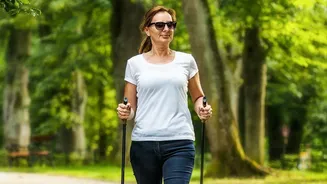
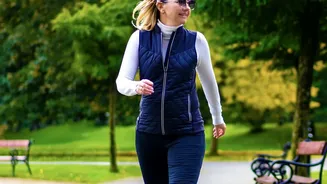
A groundbreaking meta-analysis, which combined the results of multiple studies, has provided strong evidence on how to combat this. The findings, published in the journal 'Sports Medicine', show that even very light physical activity after a meal can significantly lower blood sugar levels. Researchers analyzed seven different studies and found that just two to five minutes of light walking after eating was enough to smooth out the glucose spike compared to sitting or lying down. While simply standing also helped, walking was found to be notably more effective. This simple action helps prevent the sharp rise and subsequent crash in blood sugar.
How Brief Is 'Brief'?
The most encouraging part of this research is how little effort is required to see a benefit. The studies highlight that walks as short as two to five minutes can make a difference. Of course, longer walks of 10 to 15 minutes provide even greater benefits, with some studies showing they can lower post-meal glucose peaks by an average of 22%. The key isn't intensity; you don't need to break a sweat. A gentle stroll is sufficient. The primary factor is consistency—making it a regular part of your routine after you eat.
The Ideal Time to Take a Stroll
Timing is crucial for maximising the benefits. The goal is to start moving before your blood sugar reaches its peak, which typically happens 60 to 90 minutes after you finish eating. By walking during this window, you intercept the glucose as it enters your bloodstream. Your muscles, activated by the walk, immediately begin to draw on that glucose for fuel. This prevents it from building up in the blood, thus blunting the spike. Some studies even suggest that a shorter walk taken immediately after eating can be just as effective as a longer walk taken later.
Why This Simple Habit Works
The mechanism is straightforward. When you engage in physical activity, your muscles need energy. They get this energy from the glucose circulating in your blood from your recent meal. Every muscle contraction helps pull sugar out of the bloodstream. This not only helps manage blood sugar but also improves digestion by stimulating the stomach and intestines, which can reduce feelings of bloating and gas. Over time, this consistent activity can also improve your body’s overall sensitivity to insulin, support cardiovascular health by helping to regulate blood pressure, and contribute to long-term weight management.
Making It Part of Your Day
Integrating this practice is easier than it sounds. If you're at the office, suggest a walking meeting or simply take a few laps around the floor after your lunch break. At home, a quick walk around your building or even pacing in your living room while on a phone call works just as well. The idea is to break up long periods of sitting, especially after meals. Think of it as an 'activity snack'—a small, effective dose of movement. By linking the habit to a daily event like eating, it becomes easier to remember and sustain.