

Understanding Post-Workout Inflammation
First, let's be clear: not all inflammation is bad. When you challenge your muscles through exercise, you create tiny micro-tears in the tissue. In response, your body initiates an acute inflammatory process to clear out damaged cells and begin repairs.
This is a normal and necessary part of getting stronger. The problem arises when this inflammation becomes excessive or chronic, prolonging soreness and slowing down your recovery. The goal isn't to eliminate inflammation entirely, but to manage it effectively so your body can rebuild efficiently. Diet is one of the most powerful tools you have to strike this balance.
The Anti-Inflammatory Power of Plants
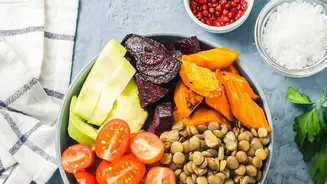
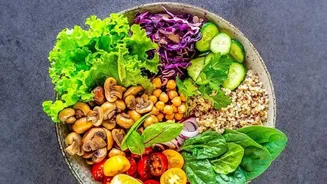
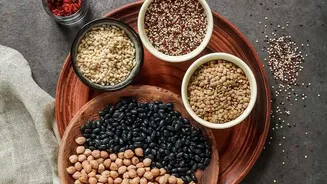
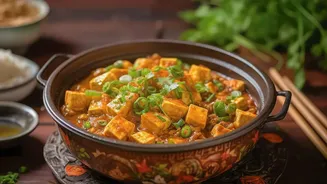
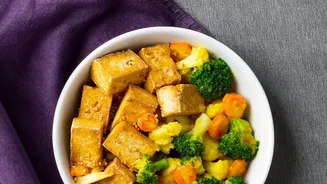
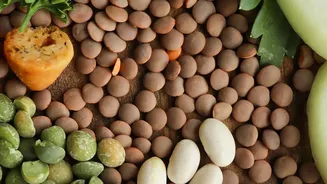
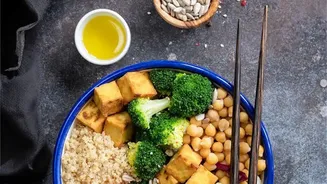
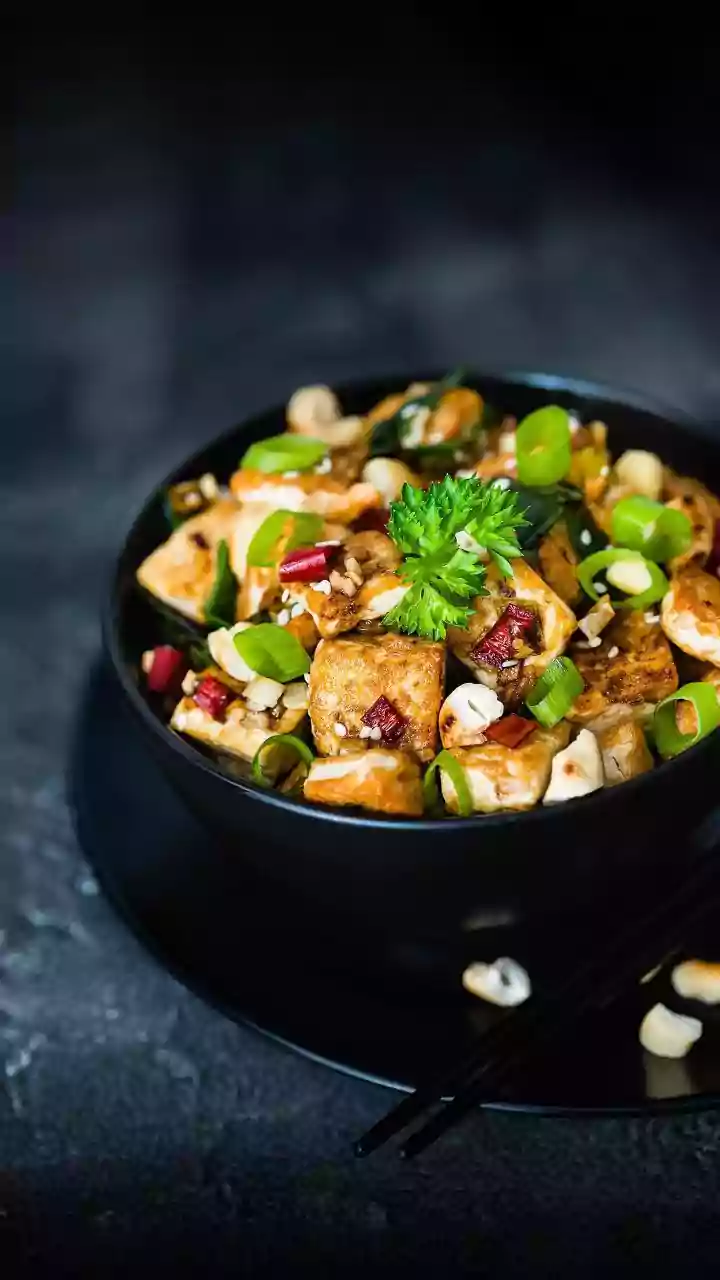
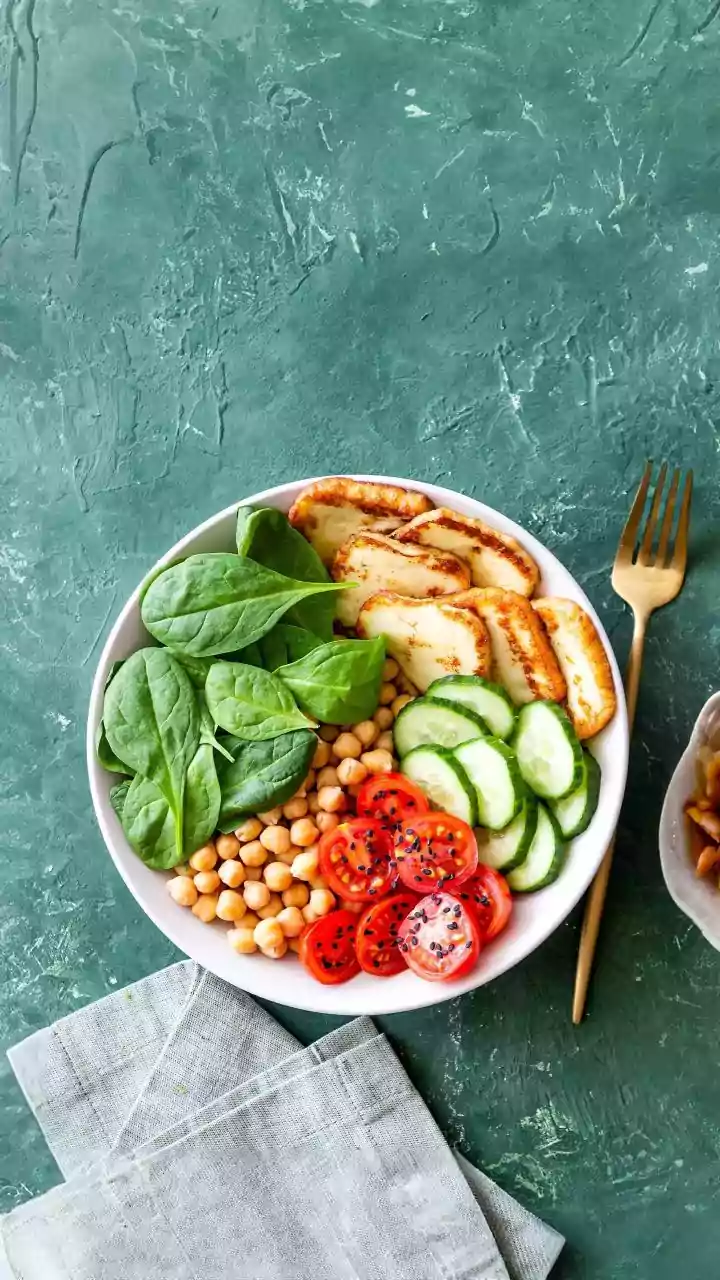
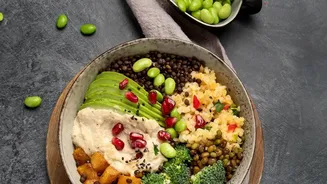
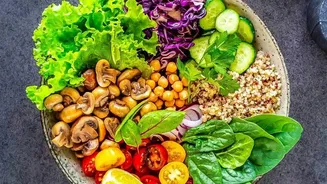
This is where plant-based proteins shine. Unlike their animal-based counterparts, whole food plant proteins from sources like lentils, chickpeas, beans, tofu, and quinoa come packaged with a host of beneficial compounds. These foods are rich in phytonutrients, antioxidants, and fiber, all of which have anti-inflammatory properties. Compounds like flavonoids and carotenoids, which give fruits and vegetables their vibrant colors, actively work to neutralize oxidative stress caused by intense exercise. Some studies suggest that diets high in animal products, particularly red and processed meats, can contribute to higher levels of inflammatory markers in the body. By swapping in plant-based proteins, you're not just adding anti-inflammatory nutrients; you're also reducing your intake of potentially pro-inflammatory compounds, giving your body a dual advantage in the recovery process.
But Do Plants Build Muscle Effectively?
This is the most common question, and a valid one. For years, animal proteins like whey and casein have been considered the gold standard for muscle protein synthesis (MPS), the process of rebuilding muscle. This is largely due to their 'complete' amino acid profile, particularly their high concentration of leucine, an amino acid that acts as a primary trigger for MPS. However, the idea that plant proteins are 'incomplete' and therefore inferior is a persistent myth. While many individual plant sources might be lower in one or more essential amino acids, eating a variety of plant proteins throughout the day easily provides all the necessary building blocks for muscle repair. Sources like soy, quinoa, and hemp are complete proteins on their own. Furthermore, research shows that when matched for protein and leucine content, well-formulated plant protein blends can stimulate muscle protein synthesis at levels comparable to whey. The key is ensuring you consume sufficient quantity and variety.
Simple Swaps for a Better Recovery
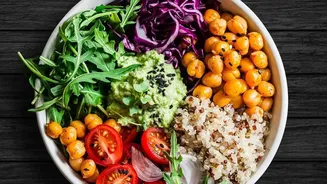
Making the switch doesn't require a complete dietary overhaul. It can be as simple as making small, strategic changes to your post-workout routine. Instead of a whey protein shake, try one made with pea or a soy protein blend. If your go-to recovery meal is grilled chicken and rice, try a lentil and vegetable curry with brown rice instead. A bowl of chickpeas and roasted vegetables offers a fantastic mix of protein, complex carbs, and fiber. Even adding anti-inflammatory powerhouses like turmeric or ginger to your meals can help. The goal is to incorporate a wider variety of nutrient-dense, plant-based foods that deliver both the protein your muscles need and the anti-inflammatory compounds that help them heal faster.