








A Headline Worth Celebrating
The initial numbers released for July 2026 painted a rosy picture for the Indian economy. Gross Goods and Services Tax (GST) collections surged by an impressive 15.4% year-on-year, reaching ₹2.11 trillion. This marked the third time in the financial year that
collections breached the ₹2 lakh crore mark, signalling what many took to be sustained domestic consumption and economic resilience. The figure represents a significant jump from the ₹1.83 trillion collected in July of the previous year, suggesting a healthy recovery and growth despite global economic uncertainties. This double-digit growth, the strongest in 14 months, was initially celebrated as a clear sign of robust economic activity taking place across the nation in June.
Deconstructing the Revenue
To truly understand the GST numbers, it's essential to look at their components. The total collection is a sum of Central GST (CGST), State GST (SGST), and Integrated GST (IGST). While CGST and SGST are collected on intra-state transactions, IGST is levied on inter-state trade and, crucially, on all goods imported into the country. This is where the nuance in July's data lies. The headline figure doesn't immediately distinguish between revenue from domestic economic activity and revenue generated at the border from imports. For July 2026, the gross IGST collection was a significant ₹1.23 lakh crore. To understand the real story, we have to split that number further.
The Import-Driven Surge
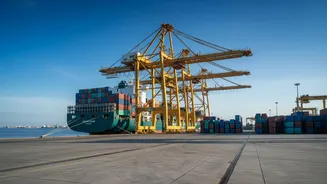
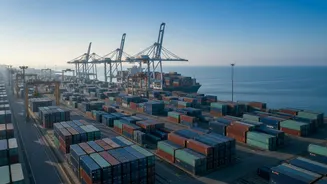
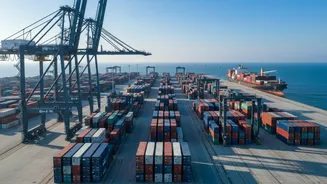
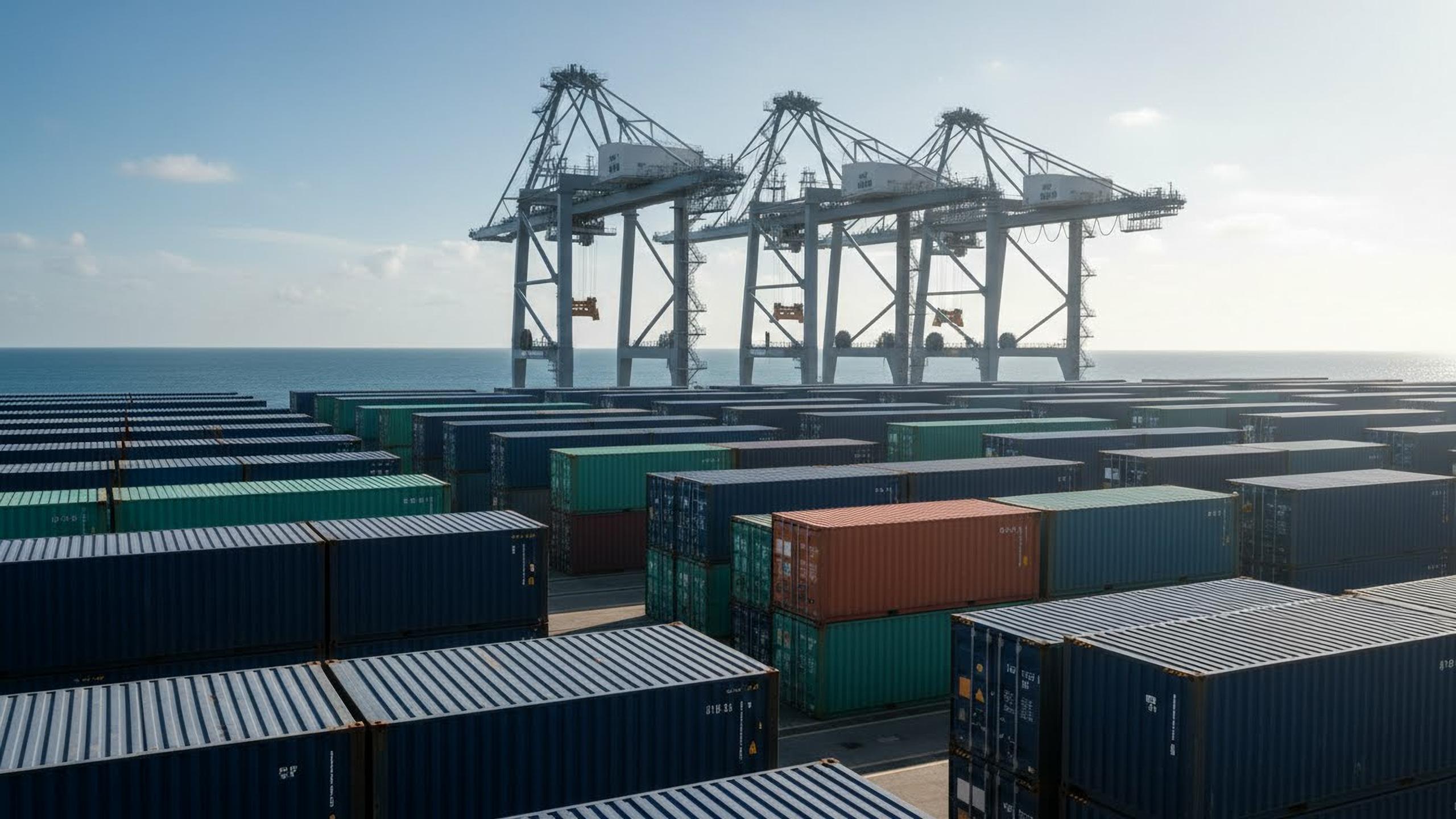
A deeper dive into the data reveals a telling disparity. While GST from domestic transactions grew by a healthy 10.1% to reach ₹1.45 lakh crore, the GST collected on imports skyrocketed by a massive 28.8%, hitting ₹66,511 crore. This means that the growth in tax revenue from imports was nearly three times faster than the growth from domestic business. This surge in import GST was the primary driver behind the headline-grabbing 15.4% overall growth. Without this powerful contribution from imports, the overall GST growth figure would have looked considerably more modest, aligning more closely with the 10.1% domestic increase.
What Does This Imbalance Mean?
This trend raises important questions about the nature of India's economic activity. On one hand, a sharp rise in import GST could indicate that Indian industries are importing more raw materials and capital goods, signalling a future ramp-up in manufacturing and investment. It reflects strong overall demand in the economy. On the other hand, it could also point to a scenario where domestic demand is increasingly being met by imported finished goods rather than local products. Tax experts have pointed out that while the numbers affirm the economy's resilience, the elevated level of import GST collections is a "nagging concern." It suggests a potential gap in domestic manufacturing capabilities, an issue that schemes like 'Atmanirbhar Bharat' are designed to address.
A Policy Tightrope
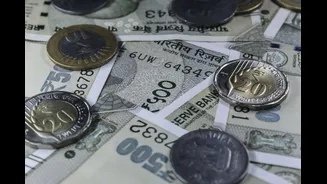
For policymakers, these figures present a complex challenge. Strong GST collections are crucial for government finances, funding infrastructure and social programs. The robust overall number is undoubtedly good news from a fiscal perspective. However, the reliance on import revenue growth highlights a potential vulnerability. An economy that depends heavily on imports to satisfy demand could be more susceptible to global supply chain disruptions, currency fluctuations, and geopolitical tensions. As one analyst noted, the rupee's depreciation can amplify the taxable value of imports, boosting GST revenue without an actual increase in the volume of goods. Therefore, while celebrating the revenue, officials will be closely watching this trend to ensure that domestic production keeps pace and the nation's manufacturing base continues to strengthen.