


From Humble Staple to Trendy Superfood
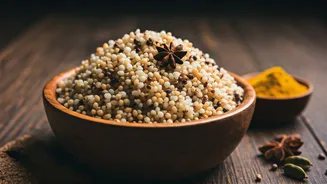
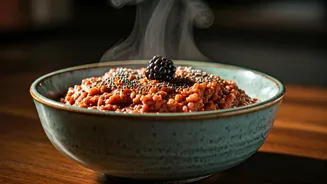
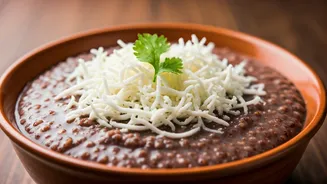
For generations, ragi, also known as finger millet, was a dietary cornerstone in many parts of India, especially in the south. Often consumed as a simple porridge (malt) or steamed balls (mudde), it was valued for its robustness and nutritional might.
However, for a time, it was pushed to the sidelines in urban kitchens in favour of polished rice and wheat. Now, a culinary renaissance is underway. Health-conscious consumers and creative chefs are rediscovering this ancient grain, transforming it into everything from cookies and cakes to dosas and, yes, pancakes. This isn't just about reviving an old ingredient; it's about re-imagining it for the modern palate, making heritage eating both aspirational and accessible.
The Nutritional Power of Ragi
So, why all the fuss? Ragi is a nutritional powerhouse, and its benefits align perfectly with today's wellness goals. It is one of the richest plant-based sources of calcium, containing significantly more than other cereals like rice and wheat, making it excellent for bone health. It’s also packed with dietary fibre, which aids digestion, promotes a feeling of fullness, and can help with weight management. For those managing blood sugar, ragi is an excellent choice due to its low glycemic index, which ensures a slow and steady release of energy. Furthermore, it is a great source of iron, essential amino acids, and is naturally gluten-free, making it a versatile option for various dietary needs.
The Pancake Makeover
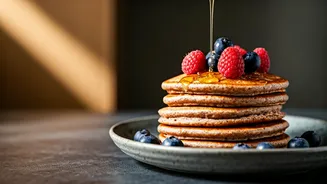
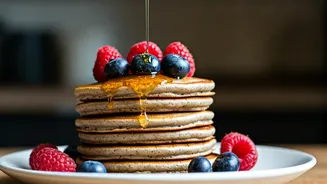
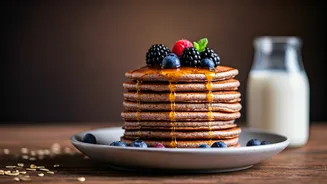
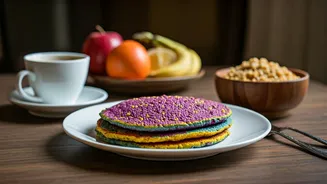
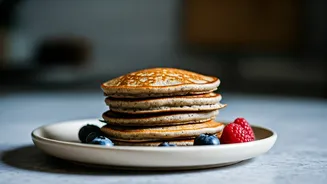
The ragi pancake is the perfect symbol of this grain's modern makeover. It takes a familiar, beloved comfort food and infuses it with a wealth of nutrients. Recipes often combine ragi flour with whole wheat flour, mashed bananas for natural sweetness, and milk or yogurt. The result is a stack of soft, dark-hued pancakes with a unique, slightly nutty and earthy flavour that pairs wonderfully with honey, fresh fruits, or even a touch of chocolate. This clever reinvention makes ragi approachable and delicious, especially for children or those unaccustomed to its traditional taste. It’s a breakfast that feels indulgent but delivers sustained energy and a host of health benefits, proving that healthy food can be deeply satisfying.
Beyond the Breakfast Plate
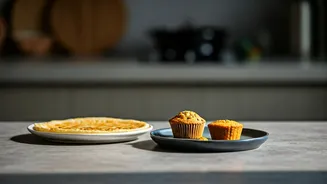
While pancakes are drawing new fans, ragi's versatility extends far beyond breakfast. The flour can be easily incorporated into everyday cooking. You can swap a portion of wheat flour for ragi flour when making rotis or parathas for a nutrient boost. It’s also used to make healthier versions of baked goods like brownies and cookies, adding a dense, fudgy texture. In South India, crispy ragi dosas are a popular choice. Other innovative uses include adding it to smoothies, making savoury pakodas, or preparing traditional sweets like laddoos and halwa. This adaptability makes it easy to integrate ragi into your diet, no matter your culinary preference.
The Broader Return of Heritage Grains
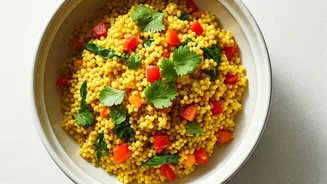
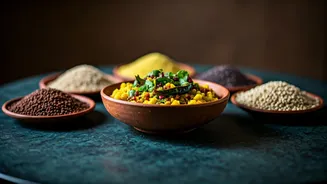
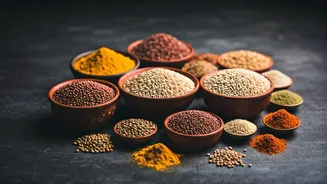
Ragi's resurgence is part of a larger, more significant movement: the comeback of India's heritage grains. Millets like jowar (sorghum) and bajra (pearl millet), along with pseudo-grains like amaranth, are all being celebrated for their nutritional superiority and climate resilience. These grains often require less water than wheat and rice, making them a sustainable choice for farmers. As consumers increasingly look for food that is not only good for them but also good for the planet, these ancient staples are being rightfully restored to a place of pride in the Indian kitchen, connecting us to a rich culinary heritage rooted in wellness.