






The Challenge of Urban Flooding
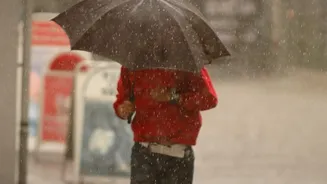
Every year, major Indian cities like Mumbai, Chennai, and Bengaluru brace for the monsoon. Rapid urbanization, often paired with ageing or inadequate drainage infrastructure, means that heavy rainfall can quickly turn streets into rivers. This disrupts
daily life, damages property, and poses significant safety risks. Traditionally, flood management has been reactive. Civic bodies and residents often only respond once water levels are already dangerously high, relying on news reports and visual cues that come too late. This reactive approach leaves little time for preventive action, leading to avoidable losses and chaos.
Enter the Internet of Things (IoT)
This is where the Internet of Things, or IoT, is changing the game. Think of IoT as a network of connected digital devices that can 'talk' to each other. In this case, the devices are smart sensors designed to monitor environmental conditions. These systems shift flood management from a reactive guessing game to a proactive, data-driven strategy. By creating a real-time digital picture of a city's water situation, authorities and citizens can see a flood developing before it becomes a crisis.
How the System Works: From Sensor to Smartphone
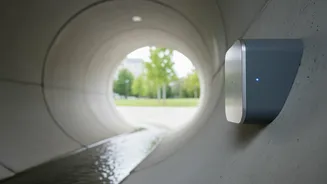
The process is elegantly simple in concept but powerful in execution. First, IoT-enabled sensors are installed at critical points across a city. These are placed in stormwater drains, rivers, underpasses, and other flood-prone areas. These rugged sensors continuously measure the water level. When the water rises to a predefined threshold, the sensor sends a signal. This data is transmitted wirelessly to a central cloud-based platform. There, the information is processed instantly. AI-powered analytics can even analyze the rate of rising water and combine it with weather forecast data to predict the likelihood and severity of flooding in the coming hours. The final and most crucial step is dissemination. The system automatically sends out alerts to disaster management authorities, municipal officials, and, most importantly, residents in the affected areas. These alerts can be delivered via SMS, dedicated mobile apps, or public announcement systems, providing specific and timely warnings.
The Real-Time Advantage
The benefits of such an early warning system are immense. For citizens, a timely alert provides a crucial window to take action. This could mean moving vehicles to higher ground, securing valuables, or planning a safe evacuation route if necessary. It replaces uncertainty with actionable information, significantly improving public safety. For emergency responders and civic authorities, real-time data allows for more effective resource allocation. They can close vulnerable roads before they become impassable, deploy pumps and personnel to the worst-hit areas, and coordinate response efforts with precision. This proactive stance not only saves lives and property but also reduces the overall economic impact of flooding.
Challenges and the Road Ahead
Implementing these systems is not without its challenges. It requires significant initial investment, robust network connectivity even during extreme weather, and regular maintenance of the sensors. Furthermore, integrating the data into existing municipal workflows and ensuring the information reaches every segment of the population, including those without smartphones, are key hurdles. Despite these challenges, the push for smarter cities is driving adoption. As the technology becomes more affordable and reliable, these systems are becoming an integral part of urban planning in India. The goal is to build resilient cities that can anticipate and manage the impacts of climate change and extreme weather, rather than just reacting to them.