




The All-in-One Promise
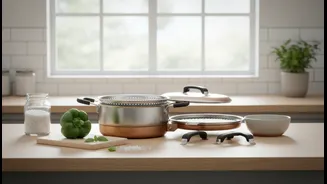
Walk through any home goods store or scroll through social media, and you'll see them: sleek, colourful pans that promise to braise, sear, steam, fry, boil, and even bake. These pieces are marketed as the ultimate kitchen solution, designed to replace
a heap of other pots and pans, from your trusty skillet to your saucepan and steamer. The appeal is undeniable. For those in small apartments, a single item that does the job of eight is a space-saving miracle. For the budget-conscious, it seems like a smart investment. And for anyone who dreads cleanup, the non-stick surfaces promise a quick and easy wipe-down. It’s a compelling vision of a streamlined, more efficient life in the kitchen.
First, Understand Your Cooking Style
Before you get swept away by the marketing, the most crucial step is to honestly assess your own cooking habits. Are you a weekend gourmand who loves achieving the perfect high-heat sear on a steak, or are you a weeknight warrior who relies on one-pot pasta dishes and simple stir-fries? Do you frequently cook for a large family, or are you typically preparing meals for one or two? Answering these questions is key. The versatile pan that’s perfect for someone who primarily simmers soups and steams vegetables might be a frustration for someone who needs to shallow-fry or move a dish from the stovetop to a very hot oven. Take a mental inventory of the meals you’ve made in the last month to get a realistic picture of your needs.
The Limits of 'Do-It-All'
Many popular multipurpose pans feature a ceramic non-stick coating. While great for cooking delicate items like eggs and for easy cleanup, this surface comes with limitations. Most are not designed for high-heat cooking, which is essential for getting a deep, flavourful sear on meat. Using them at high temperatures can degrade the non-stick coating over time, shortening the pan’s lifespan. Furthermore, using metal utensils is often a no-go, as they can scratch the delicate surface. This means that while a pan might claim to do ten things, it may only do a few of them as well as a specialized piece of cookware. A stainless steel skillet will almost always provide a better sear, and a seasoned cast-iron pan offers unparalleled heat retention for certain dishes.
When Multipurpose Makes Perfect Sense
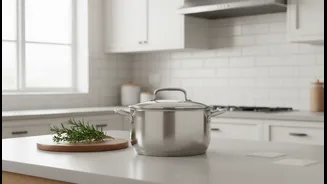
Despite the limitations, there are many kitchens where an all-in-one pan is an excellent choice. For beginner cooks, it can reduce the intimidation of a fully stocked kitchen by providing one versatile, easy-to-use tool. It’s also ideal for those with significant space constraints, such as in studio apartments or dorm rooms, where one pan can genuinely replace the need for a larger set. If your cooking style leans heavily toward boiling pasta, making sauces, steaming vegetables, and preparing one-pot meals, a deep, lidded multipurpose pan can handle the vast majority of your needs efficiently. They are a convenient and practical option for everyday cooking when used correctly and cared for properly.
The Case for a Mixed Approach
The smartest kitchen setup for most people isn't about choosing one type of cookware over another, but about building a small, curated collection that serves your specific needs. Perhaps a high-quality multipurpose pan can handle 80% of your daily cooking tasks. You might then supplement it with one or two other essential pieces. For instance, pairing an all-in-one pan with a durable cast-iron skillet for high-heat searing gives you the best of both worlds: convenience for everyday meals and high performance when you need it. Similarly, a small, dedicated stainless steel saucepan might be useful if you often find yourself needing to cook a side dish simultaneously. This hybrid approach prevents you from being limited by a single tool while still keeping your collection minimal and functional.