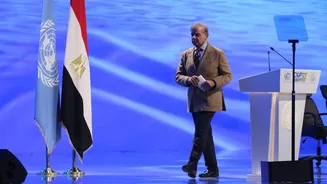




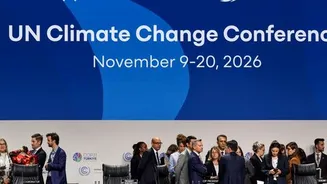
The COP31 climate summit has ended in a dramatic collapse, with nations failing to agree on a path to move away from fossil fuels. The deadlock in Antalya, Turkey, marks a major setback for global climate action.
A Summit Divided Over Words
After running for more than 50 hours past
its scheduled end, making it the longest UN climate conference in history, COP31 concluded without a central agreement. The primary point of contention was the language surrounding fossil fuels. A coalition of nations, including the European Union and climate-vulnerable island states, insisted on a text that explicitly called for a 'transition away' from coal, oil, and gas. However, a final draft text proposed by the Turkish-Australian presidency contained no direct mention of fossil fuels. This omission was seen as a significant step backward from the agreement reached at COP28 in Dubai and was ultimately rejected by a large bloc of countries, leading to the talks' collapse. Observers described the outcome in stark terms, with some calling it 'one of the darkest hours in the history of climate negotiations'.
The Key Blocs and Their Sticking Points
The divide exposed deep geopolitical and economic fractures. On one side, the European Union, the UK, and nations most threatened by rising sea levels and extreme weather argued that failing to name fossil fuels as the primary driver of climate change was unacceptable. On the other, major oil and gas-producing countries, including Saudi Arabia and Russia, strongly opposed language that would commit them to a phase-out, arguing that nations should determine their own energy pathways. Their position was bolstered by a focus on carbon capture and storage (CCUS) technologies as an alternative to ending fossil fuel use, a stance that many environmental groups argue is a dangerous distraction.
India's Push for a 'Just Transition'
India played a significant role in the discussions, consistently advocating for a 'just transition' that acknowledges different national circumstances. Indian officials argued that any global framework must not hinder the development and poverty eradication goals of emerging economies. New Delhi's stance is that a one-size-fits-all approach is unworkable, pushing instead for a system that provides developing nations with the necessary finance and technology to decarbonise without sacrificing growth. Throughout the summit, India reiterated its call for developed nations to fulfill their financial obligations, highlighting the historical responsibility of industrialised countries for the bulk of global emissions.
Finance: The Other Major Hurdle
Beyond the battle over words, climate finance was another major obstacle that contributed to the deadlock. Developing countries expressed profound disappointment at the lack of concrete financial commitments from wealthier nations. These funds are considered essential to help poorer countries adapt to climate impacts, build resilient infrastructure, and transition to cleaner energy sources. The Adaptation Fund raised only a fraction of its annual target, and there was no agreement on a specific figure for future adaptation finance, which developing nations had pushed to be set at $120 billion annually. This failure to secure adequate funding further eroded trust between the Global North and South.
What Comes Next After the Collapse?
The failure to reach a consensus in Antalya does not nullify existing commitments under the Paris Agreement, but it deals a severe blow to the momentum of global climate diplomacy. UN Secretary-General António Guterres expressed deep disappointment, blaming the influence of 'powerful fossil fuel interests'. Attention now shifts to the next summit, COP32, to be held in Ethiopia. However, the collapse raises serious questions about the effectiveness of the consensus-based UN process in tackling an escalating crisis. With scientists warning that the world is off-track to limit warming to 1.5°C, the pressure to find a viable path forward has never been greater.