




Maharashtra Sounds the Alarm
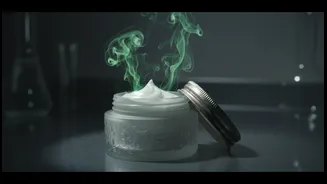
In early July 2026, the Maharashtra Food and Drug Administration (MFDA) sent a shockwave through the cosmetics industry by flagging three specific products: Goree Beauty Cream, Face Fresh Gold, and Golden Star Beauty Cream. Laboratory tests confirmed
these products contained dangerously high levels of heavy metals, particularly mercury and lead, far exceeding the legal permissible limit of 1 part per million (ppm) in India. In one case, a cream was found to contain 752 times the legal limit of mercury. The regulator declared the products “Not of Standard Quality,” urging the public to immediately stop their use and advising a recall. Compounding the danger, these products were also found to be missing mandatory labelling information like manufacturer details and expiry dates, a red flag for their authenticity and safety.
Mercury: The Poison in the Pursuit of Fairness
Why would a company illegally add a known neurotoxin to a face cream? The answer lies in mercury’s insidious effectiveness. Mercury salts work by inhibiting the production of melanin, the pigment that gives skin its colour. This action provides a rapid, visible skin-lightening effect, feeding a market where fairness is often aggressively marketed and highly sought after. But this temporary cosmetic effect comes at a devastating biological price. The mercury doesn't just stay on the skin; it is absorbed into the bloodstream and accumulates in the body. Prolonged exposure can lead to severe health consequences, including kidney damage, neurological disorders, memory loss, tremors, and increased anxiety and depression. The danger extends beyond the user, as family members can be exposed through touch or by inhaling mercury vapours.
The Pervasive Indian Problem
The Maharashtra alert is not an isolated incident but a symptom of a much larger, nationwide problem. The demand for skin-lightening products has created a massive, multi-billion dollar market in India, parts of which are poorly regulated. While the Drugs and Cosmetics Act, 1945, and the newer Cosmetics Rules, 2020, explicitly ban the intentional addition of mercury to most cosmetics, the enforcement is challenging. These toxic products, often manufactured abroad in places like Pakistan and sold illegally, find their way to consumers through local shops and a sprawling, unchecked online marketplace. Studies have consistently found mercury in a significant percentage of fairness creams available in Indian markets, often from both local and international brands. The case of 18 women in Nagpur developing kidney disease after using a mercury-laced cream highlights the real-world, tragic consequences of this unregulated trade.
How to Protect Yourself and Your Family
In a market with hidden dangers, consumer vigilance is the first line of defence. The most crucial step is to be a discerning buyer. Always purchase cosmetics from reputable retailers and authorised dealers, avoiding products sold in unorganised markets or from unverified online sellers. Scrutinise the packaging. Under Indian law, all cosmetics must list their ingredients. Be suspicious of any product that has no ingredient list, or if the label is unprofessional or missing key details like the manufacturer's address, batch number, and manufacturing date. Specifically look for terms like 'mercury', 'mercurous chloride', 'calomel', or 'mercuric' on the label and avoid these products entirely. Be wary of creams that promise dramatic, instant whitening results, as this is a major red flag for the presence of mercury. If you suspect a product contains mercury, stop using it immediately.