



The Shifting Tastes of the Indian Traveller
For decades, tourism in India was defined by a handful of iconic images: the Taj Mahal at sunrise, the beaches of Goa, or the palaces of Rajasthan. While these destinations remain popular, a significant shift is underway. Travellers, both domestic and international,
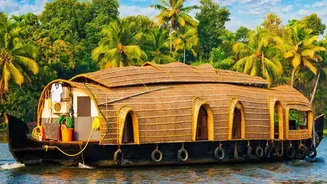
are increasingly looking past conventional leisure trips. A recent report highlighted that tourism demand is broadening to include spiritual, wellness, cruise, rural, and wildlife segments. This change is fueled by a desire for more meaningful and immersive experiences. The post-pandemic era has amplified the search for open spaces, slower travel, and genuine cultural exchange, pushing niche sectors into the mainstream. The result is a richer, more diverse tourism landscape that invites exploration beyond the beaten path.
The Call of the Wild
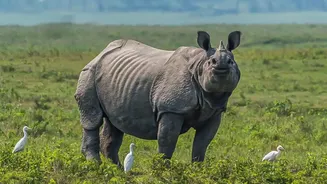
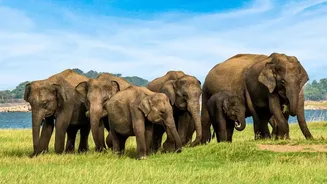
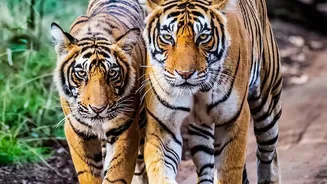
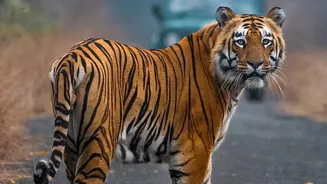
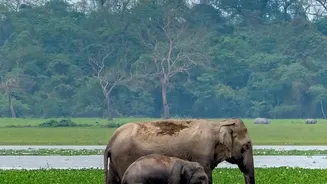
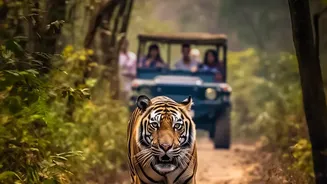
Wildlife tourism in India is undergoing a profound transformation. Once centred almost exclusively on tiger-spotting safaris in well-known parks like Ranthambore and Corbett, the focus is now expanding. Travellers are seeking deeper, more educational encounters with nature. This has led to the rise of specialized travel, including birdwatching tours, photography-led expeditions, and conservation-focused journeys. Destinations like Satpura, Bori, and parks in the Northeast are gaining traction as visitors look for less crowded, more intimate wildlife experiences. This evolution is not just about sightings; it is about understanding ecosystems. Experts note that travellers are staying longer—three to five nights instead of just one or two—allowing them to engage with the landscape and the communities that protect it. This slower, more conscious approach benefits both the traveller and the delicate ecosystems they come to admire.
Finding India in its Villages
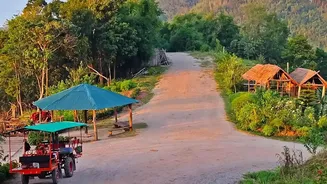
Perhaps the most significant change is the growing interest in rural tourism. Defined as any travel that showcases rural life, art, and culture, this segment offers an antidote to the homogeneity of mass tourism. It is a form of travel that is deeply experiential, inviting visitors to participate in farming activities, learn traditional crafts, or simply share a meal in a village homestay. The global rural tourism market is projected to grow significantly, with India expected to see a compound annual growth rate of 9.3% through 2036. Recognizing this potential, the government is actively promoting rural tourism as a means of creating jobs and empowering local communities, particularly women and youth. Initiatives like the 'Swadesh Darshan' scheme are helping develop infrastructure and homestays in tribal and rural areas, ensuring that the economic benefits of tourism reach the grassroots level.
Why This Shift is Happening Now
Several factors are driving this change. Unprecedented investment in infrastructure is a major catalyst. New expressways are functioning as 'tourism corridors', connecting multiple destinations and making remote areas more accessible. The Delhi-Mumbai Expressway, for instance, now links Jaipur, Ranthambore, and Sariska along a single heritage and wildlife corridor. Secondly, there is a clear shift in traveller mindset. The search for authenticity is paramount. People no longer want to be passive observers; they want to be participants. This has led to the rise of sustainable and responsible travel, where visitors are conscious of their environmental and social impact. Eco-tourism policies and programs like 'Travel for LiFE' encourage this responsible behavior. Finally, the digital boom and social media have exposed travellers to a wider array of destinations, sparking curiosity for offbeat and unique experiences that lie beyond the traditional tourist map.
More Than Just a Vacation
This evolution in tourism is about more than just new holiday options; it is a powerful force for inclusive growth. By focusing on wildlife and rural areas, tourism can become a tool for conservation and community empowerment. Sustainable practices help preserve India's natural and cultural heritage, while community-based models ensure that revenue is generated locally. When a traveller chooses an eco-lodge run by a local community or participates in a rural homestay program, their spending directly supports livelihoods and incentivizes the protection of the environment. While challenges like preventing over-tourism and ensuring equitable benefit distribution remain, the move towards a more conscious form of travel offers a path to a greener, more sustainable future for India's tourism sector.