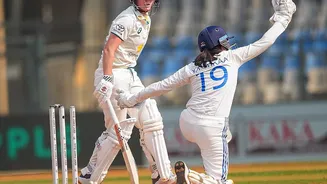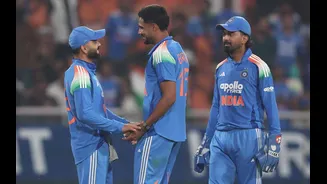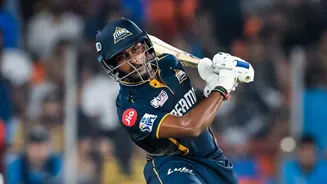

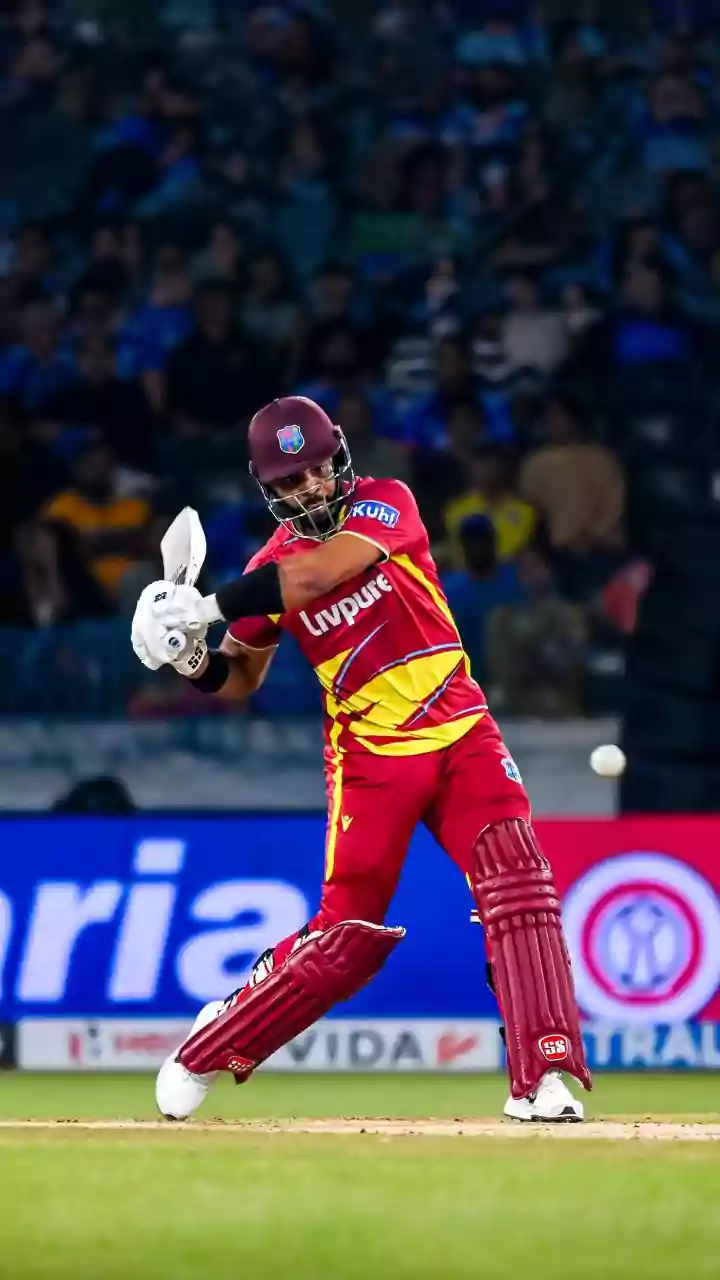



Before 2008, a career in Indian cricket meant passion, struggle, and a slim chance at fame. For all but a few national stars, it wasn't a path to riches. Then came the IPL, a televised auction, and a revolution that rewrote their financial destinies.
The World Before the Gold Rush
Before the Indian Premier League, the financial reality for most Indian cricketers was modest. The primary income source was the Ranji Trophy, the country's premier domestic competition. In the 2006-07 season, a domestic player could expect to earn around ₹25,000 per day, which might total ₹10-14 lakh for a full season. While respectable, it was a world away from the life-changing sums that would soon become commonplace. For many, a career in cricket was viable only when paired with a secure government or corporate job. The path to wealth was narrow and almost exclusively reserved for those who broke into the national team and secured lucrative endorsement deals. The idea of cricket providing multi-generational wealth for dozens of players each year was simply not part of the landscape.
The Auction That Changed Everything
The inaugural IPL auction in 2008 was a seismic event. It wasn't just a player draft; it was the public monetisation of talent on a scale never seen before in Indian sports. For the first time, domestic and international players were placed on an open market where franchises, armed with massive purses, competed for their services. The sight of players being acquired for hundreds of thousands, and in some cases over a million dollars, for just a few weeks of work was staggering. This event marked the birth of the 'crorepati cricketer' as a mainstream phenomenon. It established a new, parallel path to financial security that didn't solely depend on earning a national cap. Suddenly, being a T20 specialist was a lucrative career choice in its own right, fundamentally altering the aspirations of young cricketers across the country.
Rags-to-Riches and the Uncapped Hero
The IPL's most profound impact has been its ability to create rags-to-riches stories. Players from humble backgrounds, who once faced immense financial hardship, were turned into overnight millionaires. Mohammed Siraj, the son of an auto-rickshaw driver, saw his life transform with a ₹2.6 crore contract in 2017. The Pandya brothers, Hardik and Krunal, whose family ran a small car-finance business and struggled financially, became multi-crore players for Mumbai Indians. Similarly, Yashasvi Jaiswal, who once sold pani-puri to make ends meet in Mumbai, was bought by Rajasthan Royals for ₹2.4 crore. These stories extend to 'uncapped' players—those yet to play for India—who now command astonishing sums. In the 2026 auction, two uncapped players were sold for a record ₹14.2 crore each, a figure eclipsing the earnings of many established international stars. This has democratised wealth in Indian cricket, rewarding domestic performance in an unprecedented way.
A New Cricketing Economy
The influx of money did more than just enrich players; it created an entire economic ecosystem. The league's business value was estimated at $16.4 billion by 2024, with each match generating significant local economic activity in host cities. This wealth trickles down. Player salaries are just one part of a larger financial engine that includes massive broadcasting rights deals, sponsorships, and franchise valuations that now range from $800 million to over $1.3 billion. This has professionalised every aspect of the sport, creating well-paying jobs for coaches, physiotherapists, analysts, and management staff. Furthermore, player exposure in the IPL leads to personal endorsement deals, turning cricketers into powerful brands. This has created a virtuous cycle: the league's success fuels higher player values, which in turn attracts more investment and grows the entire sport's economy.