






The Great Monsoon Sunscreen Myth
It’s one of the most common skincare myths in India: if it's cloudy or raining, you don't need sunscreen. The cool breeze and grey skies create a powerful illusion of safety. But the truth is, the harmful ultraviolet (UV) rays from the sun don't take
a monsoon break. According to dermatologists and skin experts, up to 80% of UV radiation can penetrate through clouds, haze, and fog to reach your skin. While the heat might be gone, the risk of sun damage remains, making daily sun protection a non-negotiable step in your routine, regardless of the season.
Meet the Invisible Attackers: UVA and UVB
To understand why cloudy-day SPF is crucial, you need to know about the two main types of UV rays that harm our skin: UVA and UVB. UVB rays are the ones that cause immediate, visible damage like sunburn and tanning. Clouds do block a significant portion of these, which is why you're less likely to get a sunburn during a downpour. However, UVA rays are far sneakier. They have a longer wavelength that allows them to easily penetrate cloud cover and even window glass. These are the rays responsible for long-term, invisible damage like premature ageing, fine lines, wrinkles, and pigmentation. For Indian skin, which is often more prone to hyperpigmentation and dark spots, consistent UVA exposure can worsen uneven skin tone.
Your Monsoon-Proof Sunscreen Checklist
Choosing a sunscreen for the monsoon is different from picking one for dry winters or peak summers. The extreme humidity and frequent rain mean you need a formula that can withstand the weather. First, look for “broad-spectrum” protection, which means it shields you from both UVA and UVB rays. An SPF of 30 to 50 is generally recommended for daily use. The texture is just as important. In the sticky, humid weather typical of Indian monsoons, a heavy, cream-based formula can feel suffocating and clog pores. Instead, opt for lightweight, non-greasy, and quick-absorbing textures. Gel-based or aqua-gel sunscreens are fantastic choices for oily and acne-prone skin as they absorb without leaving a greasy film. If you plan to be outdoors or tend to sweat a lot, a water-resistant formula is your best friend, as it won't melt off your face at the first sign of a drizzle or humidity.
How to Apply It Right (Even When It’s Pouring)
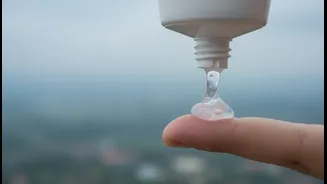
Application is key to getting the protection promised on the bottle. The 'two-finger rule' is a good guide: squeeze sunscreen along the length of your index and middle fingers and apply that amount to your face and neck. Don't forget often-missed spots like your ears, the back of your neck, and your hands. Apply it as the last step of your skincare routine, about 15-20 minutes before you step outside, to allow it to form a protective layer. The biggest challenge during the monsoon is reapplication. Sweat, humidity, and rain can cause your sunscreen to break down faster. Ideally, you should reapply every 2-3 hours, especially if you’ve been caught in the rain or have been sweating. For reapplication over makeup or on the go, sunscreen sprays or powders can be convenient options.