




What Exactly Is Ambali?
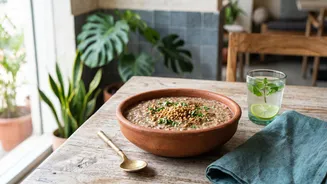
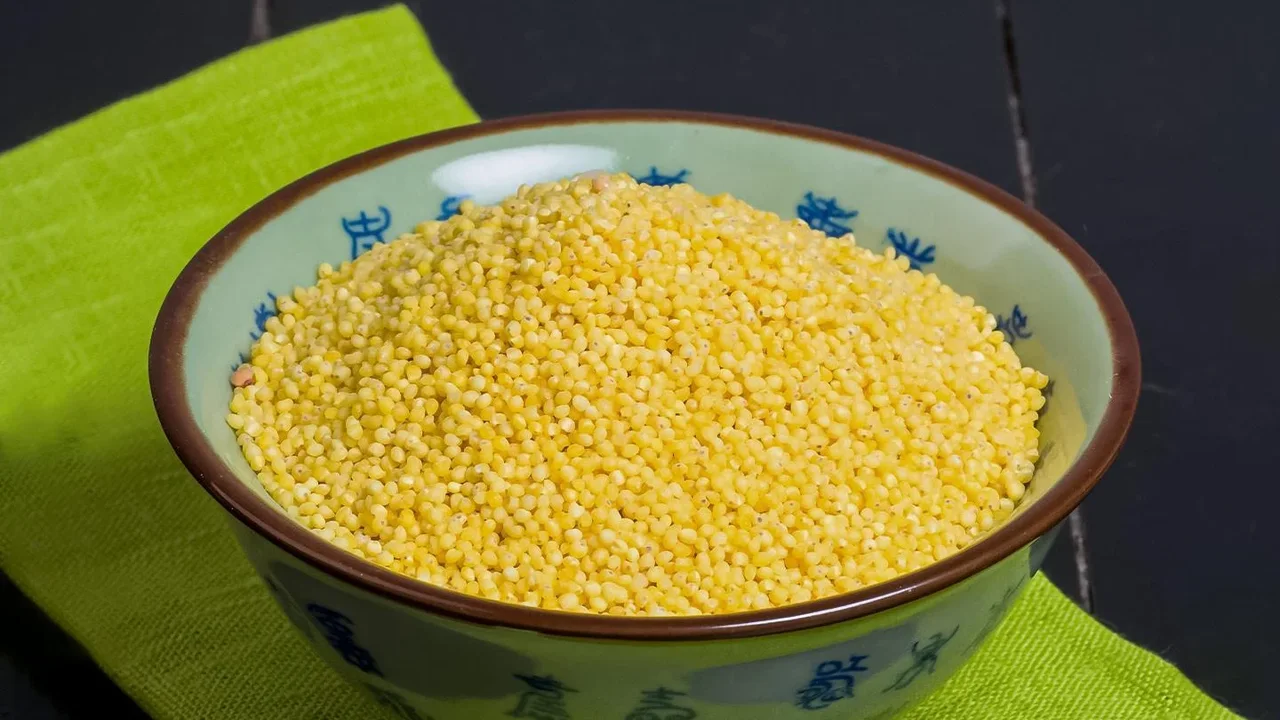
Ambali is a traditional South Indian beverage made from finger millet, or ragi, flour. With a history stretching back generations, it was long considered a nourishing staple in states like Karnataka, Andhra Pradesh, and Telangana. The drink has a thin,
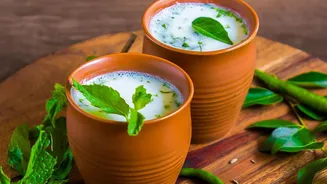
porridge-like consistency with a mildly tangy and earthy flavour. It is prepared by cooking ragi flour in water to form a paste, which is then allowed to ferment, traditionally overnight. This natural fermentation process is what gives the drink its characteristic sour taste and a host of health benefits. Often, it's mixed with buttermilk, salt, and spices like roasted cumin powder, and can be served with chopped onions or curry leaves for extra flavour.
From Farmer’s Fuel to Urban Elixir
For centuries, Ambali was the breakfast of champions for farmers and rural labourers. Consumed at dawn, its combination of complex carbohydrates and hydration provided sustained energy for a long day of physical work under the hot sun. It was a practical, affordable, and cooling meal. Today, its resurgence is driven by a very different set of needs. As urban Indians grow more conscious of gut health, natural ingredients, and the wisdom of traditional diets, ancient recipes are being rediscovered. The push towards millets as sustainable 'superfoods' has also given ragi, and by extension Ambali, a modern-day halo of health and wellness.
A Probiotic Powerhouse Explained
The term 'probiotic' might sound modern, but the science behind it is ancient. The fermentation of Ambali is where the magic happens. When the cooked ragi mixture is left to rest, naturally occurring beneficial bacteria like Lactobacillus get to work. These microbes feed on the starches in the millet, creating lactic acid, which not only preserves the drink but also populates it with live probiotic cultures. A healthy gut microbiome, supported by probiotics, is linked to better digestion, stronger immunity, and reduced inflammation. Fermentation also reduces anti-nutrients like phytic acid found in millets, which makes it easier for the body to absorb crucial minerals like calcium and iron, both of which are abundant in ragi.
More Than Just Gut Health
Beyond its probiotic benefits, Ambali is a nutritional heavyweight. Ragi is one of the richest plant-based sources of calcium, essential for strong bones. It's also high in dietary fibre, which helps in promoting a feeling of fullness, aiding in weight management and regulating blood sugar levels. This makes it an excellent drink for those with diabetes or anyone looking for a low-glycemic index option. Naturally gluten-free, it’s a safe and nutritious choice for individuals with gluten intolerance or celiac disease. Its high water content also makes it an effective hydrating beverage, especially during India’s hot summer months.
The Modern Makeover
The Ambali you find in a city cafe might look a little different from the one served in a village home. While the core recipe remains, urban outlets are giving it a contemporary twist to appeal to a new generation of health-conscious consumers. It might be served in chilled glasses, garnished with fresh herbs, or even infused with new flavours. This rebranding from a humble porridge to a trendy wellness drink is part of a larger movement celebrating India's rich culinary heritage. It places Ambali alongside other rediscovered traditional drinks, proving that sometimes the most innovative health trends are the ones that have been with us all along.