





Why Thimphu, Why Now?
Bhutan has long been an exclusive, high-value destination. But a key policy shift has made it uniquely accessible to Indian travellers. While tourists from other countries pay a Sustainable Development Fee (SDF) of USD $100 per day, Indian nationals pay a significantly
lower fee of 1,200 Ngultrum (roughly ₹1,200) per day. This fee-based model, which replaced a previous free-entry system, still positions Bhutan as a premium but now attainable destination for Indians seeking something different. Add in the proximity, the seamless entry process (requiring just a passport or voter ID), and the promise of 'Gross National Happiness' in a world weary of over-tourism, and you have the perfect recipe for a viral travel trend. Backpackers are flocking for the clean air, the well-preserved culture, and mountains that feel both wild and wonderfully accessible.
1. The Iconic View: Buddha Dordenma Trail
This is the trail filling up Instagram. Starting from the massive 51.5-metre-tall bronze Buddha Dordenma statue, which sits majestically overlooking the entire Thimphu valley, this hike is more of a scenic walk. The trail, also known as Kuenselphodrang Nature Park, offers multiple routes of varying lengths, most of which are relatively easy. It’s perfect for a morning or afternoon excursion, taking you through fragrant pine and rhododendron forests. The main draw is the constantly shifting, breathtaking perspective of the Buddha statue against the backdrop of the valley below. It delivers maximum scenic reward for moderate effort, making it the ideal first taste of Bhutanese hiking for most visitors and a guaranteed social media winner.
2. The Spiritual Climb: Tango and Cheri Monasteries
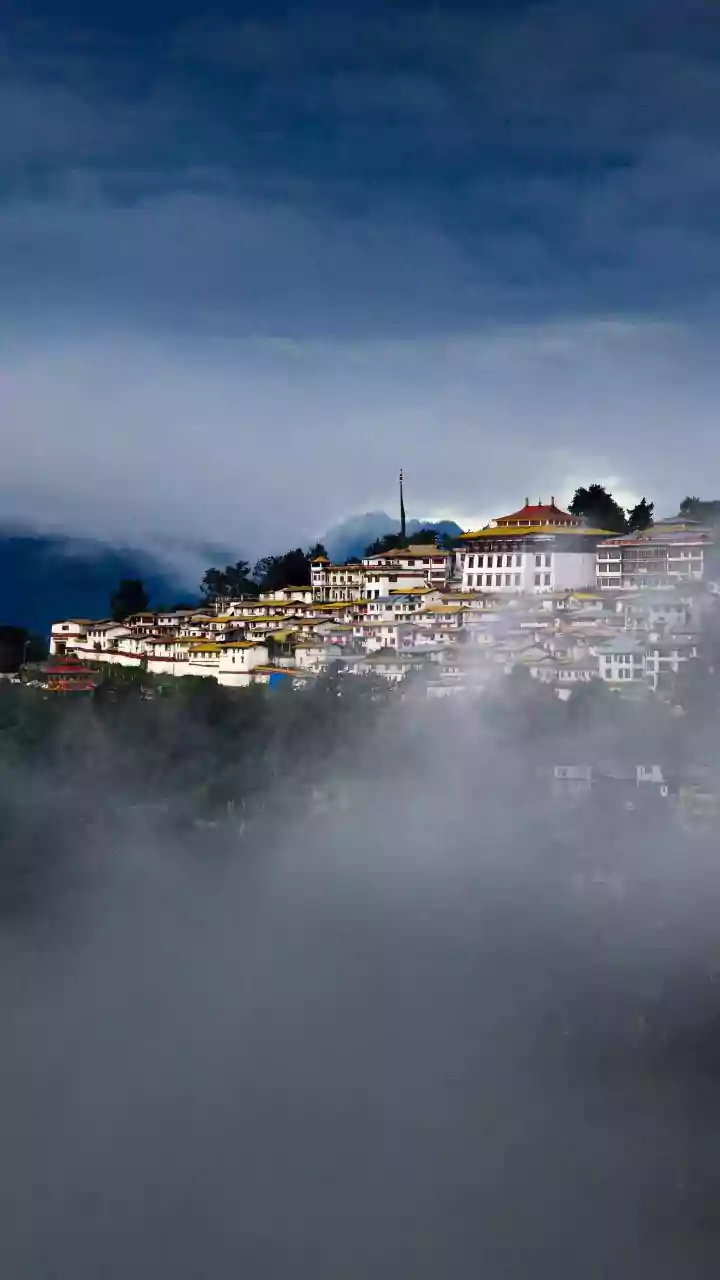
For those seeking a mix of physical challenge and deep cultural immersion, the twin hikes to Tango and Cheri Goembas (monasteries) are essential. Located about a half-hour drive north of Thimphu, these are two separate hikes. The climb to Tango, a prominent Buddhist university, is a steep one-hour ascent through beautiful forest. The reward is a stunning 17th-century fortress-like monastery with incredible history. The nearby hike to Cheri is similarly steep and was the site of Bhutan’s first monastic body. You can do both in a day, but most choose one. These trails are less about panoramic views and more about the journey and the profound sense of peace you find at these sacred sites, far from the city's hum.
3. The Panoramic Wonder: Dochula Pass to Lungchutse Lhakhang
This trek is a bit further afield but is an absolute must-do. The journey starts at Dochula Pass (3,100 metres), already famous for its 108 memorial chortens and, on a clear day, its staggering 360-degree view of the Himalayan range. From here, a moderately challenging trail ascends for about two hours through dense forests of hemlock, birch, and rhododendrons. The destination is the Lungchutse Lhakhang, a quiet temple that offers an even more spectacular and unobstructed view than the pass below. It’s a favourite among Indian trekkers because it offers a true 'top-of-the-world' feeling that rivals many more arduous Himalayan treks, all within a day's trip from the capital.
Know Before You Go
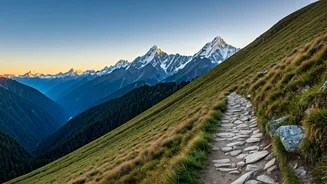
Planning your own Thimphu trail adventure? The best seasons are spring (March-May) for blooming rhododendrons and autumn (September-November) for clear skies and crisp air. While some shorter trails like the Buddha Dordenma walk can be done independently, hiring a local Bhutanese guide is highly recommended for longer treks. A guide not only ensures your safety and navigation but also enriches the experience with local folklore, history, and insights into the unique flora and fauna. Pack in layers, as mountain weather changes rapidly. Always carry water, snacks, a good pair of hiking shoes, and remember to be respectful of the sacred sites you visit. Leave no trace and pack out everything you pack in to help preserve Bhutan’s pristine environment.