






More Than Just a Tasting Menu
The idea of a food tour is evolving. It's no longer just about hopping between famous eateries to sample signature dishes. Today’s culinary excursions are immersive cultural deep dives, blending taste with history, storytelling, and sightseeing. According
to recent food trends reports, a growing number of Indian travellers, particularly those between 22 and 40, are planning trips specifically around culinary experiences. These guided walks are proving to be a perfect format, offering a structured yet spontaneous way to explore a city. They provide a narrative, connecting the dots between a community, its food, and the streets it calls home, turning a simple meal into a memorable story.
A Feast for the Eyes and Palate
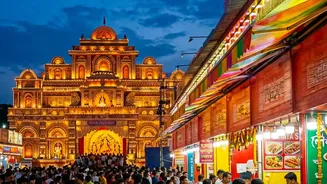
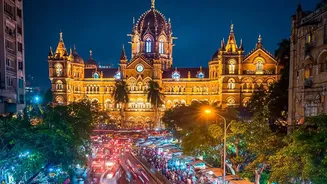
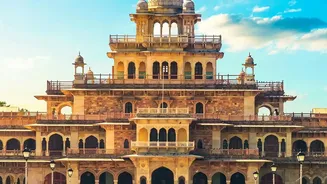
Imagine walking through the Fort area of Mumbai. As you savour a buttery bun maska from a century-old Irani cafe, you're surrounded by stunning Art Deco and Gothic Revival buildings. Or picture yourself in Kolkata, enjoying a crispy kathi roll while marveling at the crumbling grandeur of colonial-era mansions and townhouses. These tours effortlessly weave architectural appreciation into the quest for the next great bite. In Old Delhi's Chandni Chowk, the maze-like lanes lead you to Mughal-era havelis and historic places of worship, moments after you've tasted parathas from a stall that has been around for generations. The food becomes a lens through which the architecture comes alive, each building telling a story of the communities—Parsi, British, Mughal—that shaped the city's landscape and its menu.
History Served on a Plate
The dishes sampled on these walks are often as historic as the buildings themselves. A recipe for kebabs in Lucknow or nihari in Delhi might have roots stretching back centuries, intertwined with the very foundation of the neighbourhood. Guides on these tours are not just foodies; they are storytellers who explain the origin of a dish, the migration of its community, and its significance in the local culture. For instance, understanding how the Chettiar community's trading history influenced their grand mansions and their unique cuisine in Tamil Nadu provides a richer context than simply visiting a building or eating a meal in isolation. This approach turns a history lesson into an engaging, multi-sensory experience where every flavour has a backstory and every bite is a piece of the past.
The Effortless Path to Discovery
So why does this formula work so well for young urbanites? It removes the friction from cultural exploration. Planning a historical tour can feel like homework, requiring research and a dedicated itinerary. A food walk, on the other hand, feels like an adventure. It’s a social, fun, and highly engaging activity that delivers a dose of history and culture almost by accident. The structure is provided by a knowledgeable local, eliminating the stress of navigation and decision-making. It’s an accessible way to step out of one’s comfort zone and connect with the city's heritage, all while doing something universally enjoyable: eating. This blend of education and entertainment makes discovering a city’s architectural gems feel natural and, most importantly, effortless.