





The Dark-Sky Opportunity
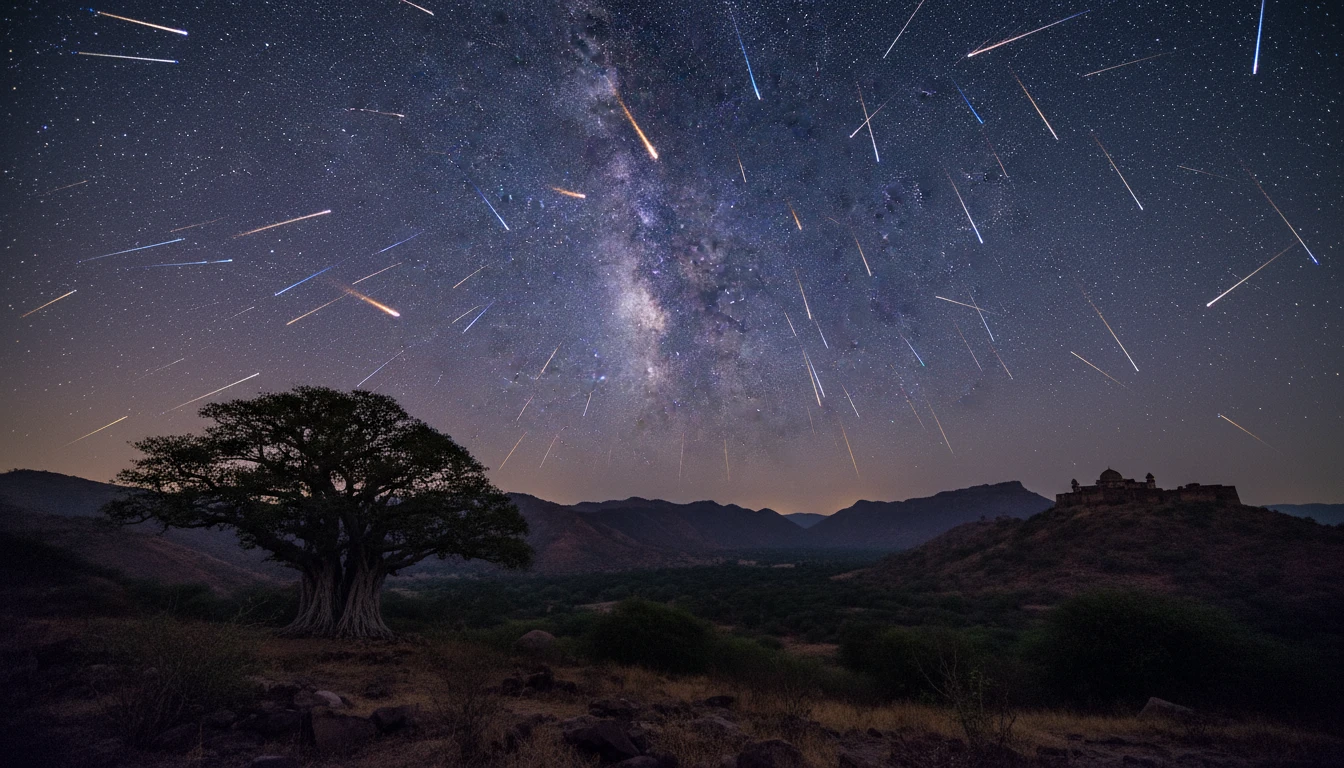
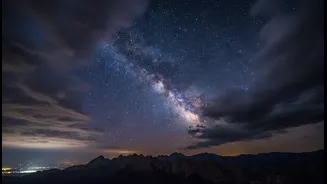
The heart of July’s stargazing potential lies with the new moon, which falls on July 14, 2026. The days surrounding this date offer what astronomers call a 'dark-sky window'. With the moon absent from the night sky, its reflective glare doesn't wash out
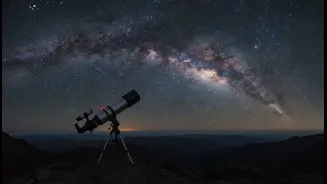
fainter celestial objects. This makes it the ideal time to view the magnificent core of our own galaxy, the Milky Way, as well as distant star clusters and nebulae. For many observers, especially those away from city lights, the combined light of billions of stars in the Milky Way becomes visible as a luminous, misty band stretching across the sky.
The Monsoon Obstacle Course
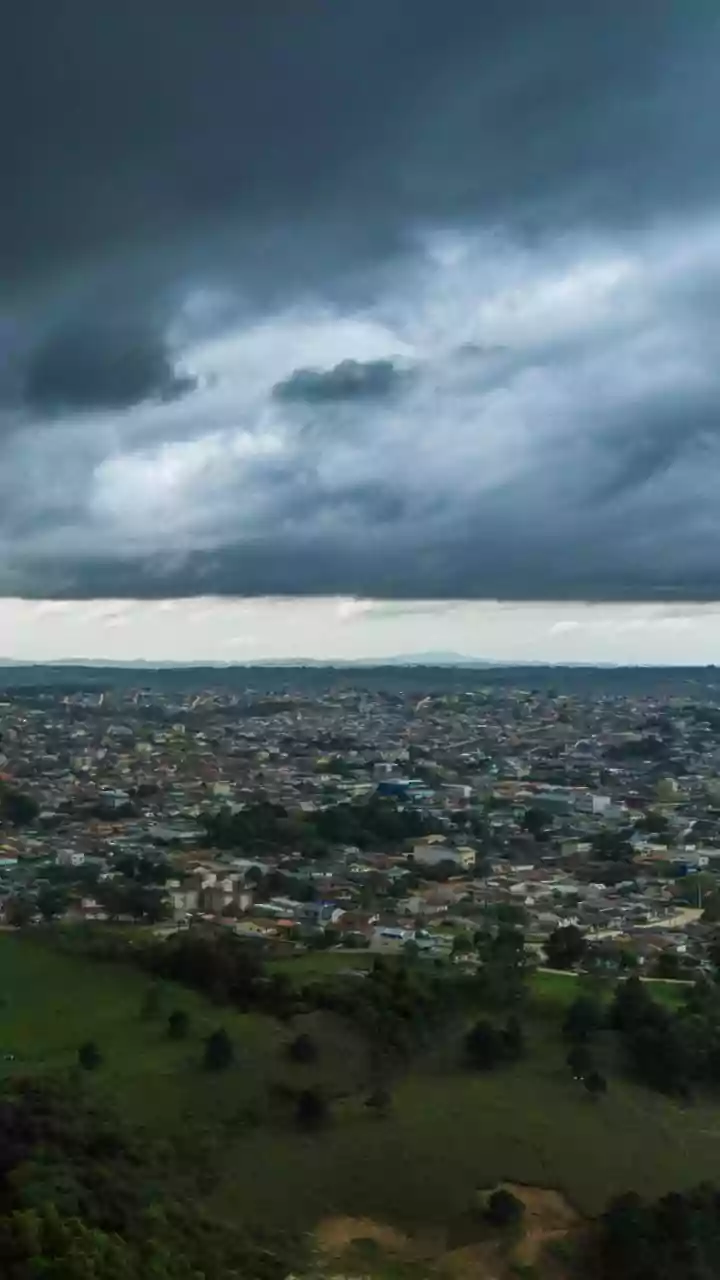
The primary challenge for most Indian stargazers during this period is, of course, the monsoon. From June to September, vast swathes of the country are covered in thick clouds, making astronomical observation nearly impossible. High humidity can also be a problem, causing telescope and binocular lenses to fog up, distorting what little view might be available. While clear nights are rare, they are not non-existent. The key is to understand that monsoon stargazing isn't about long, uninterrupted sessions, but rather about seizing brief, opportunistic windows when the clouds part.
A Strategy for Cloudy Nights
Patience and planning are a stargazer's best friends during the monsoon. Success often comes down to being prepared to act at a moment's notice. Modern weather apps and satellite imagery can be invaluable tools for tracking cloud cover in real-time, helping you spot temporary clear patches overhead. Sometimes, the best views appear for an hour or two just after a spell of rain, when the atmosphere has been washed clean of dust and pollutants. Staying connected with local amateur astronomy clubs can also provide alerts on favourable conditions. Many of these groups organise impromptu viewing sessions when a clear window is forecast.
Hunting for Clearer Skies
For the truly dedicated, another strategy is to travel to regions less affected by the monsoon. India’s diverse geography includes several 'rain-shadow' areas that receive significantly less rainfall, offering more reliable clear skies even in July. The high-altitude cold deserts of Spiti Valley in Himachal Pradesh and Hanle in Ladakh are prime examples, renowned for having some of the darkest and clearest skies in Asia. These locations are considered gold standards for astro-tourism in India, though they require significant travel and acclimatisation. For those in southern and western India, locations on the eastern side of the Western Ghats, or elevated plateaus like Malshej Ghat, can sometimes offer clearer spells between showers.
What to Look For This July
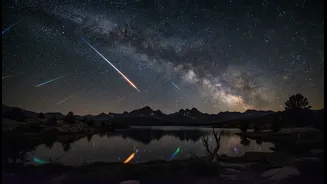
When the skies do grant a reprieve, July 2026 has several celestial sights on offer. Before sunrise on July 11, a thin crescent moon will form a picturesque triangle with the reddish planet Mars and the Pleiades star cluster. Throughout the month, Saturn is also a prominent morning object. Away from the moon, the star-rich constellations of Scorpius and Sagittarius will be well-placed, marking the direction of the Milky Way's core. While two meteor showers—the Southern Delta Aquariids and the Alpha Capricornids—peak at the end of the month, the bright light of the nearly full moon on July 29 will unfortunately obscure most of the fainter meteors.