



A Dish of Deceptive Simplicity
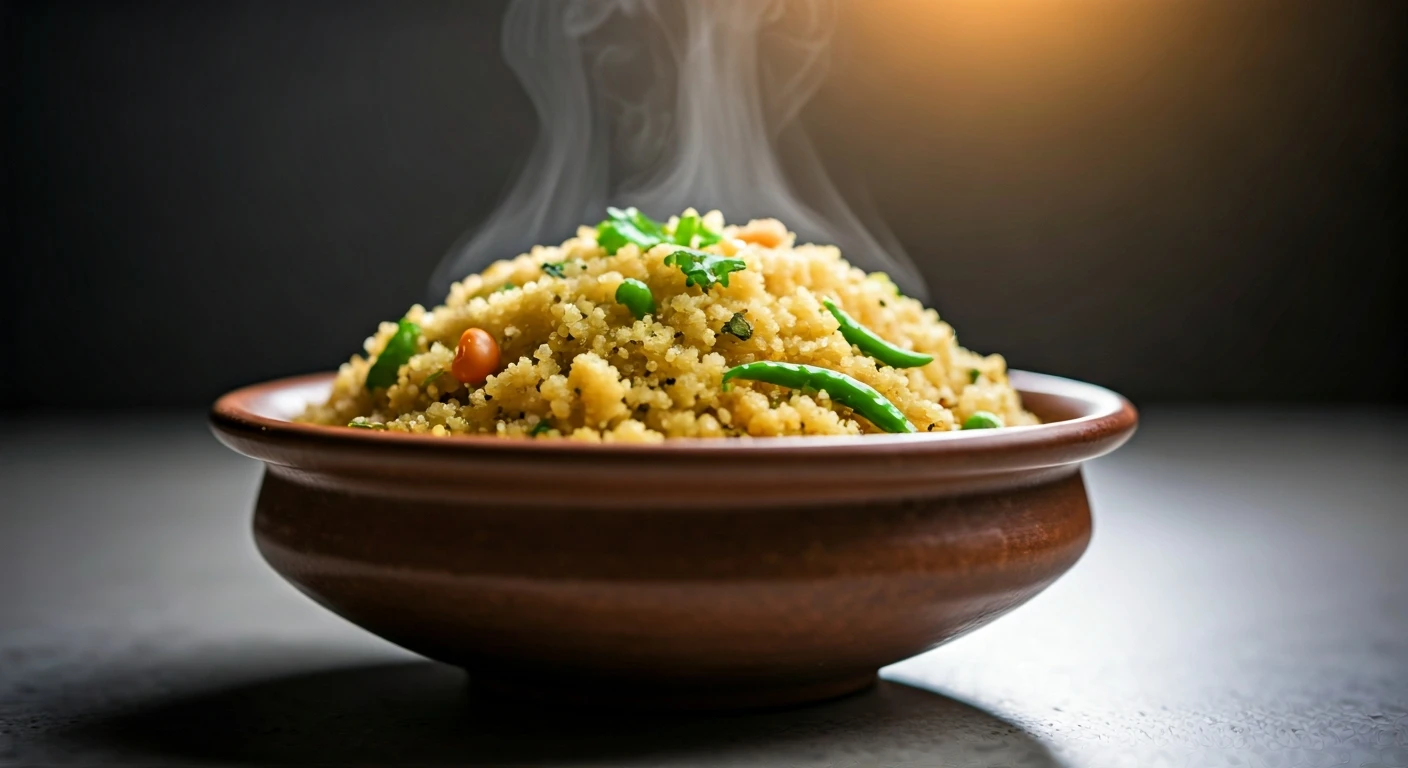
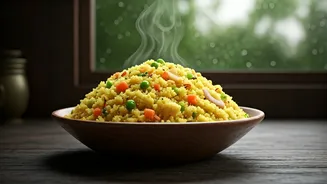
Ask ten people about Upma, and you might get ten different opinions. For some, it’s a bland, mushy necessity. For others, it’s a fragrant, fluffy bowl of pure comfort. This division speaks to Upma’s core strength: its deceptive simplicity. At its heart,
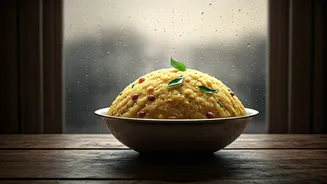
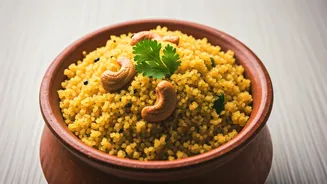
the dish is just roasted semolina (rava or sooji) cooked with water, spices, and a tempering of mustard seeds, lentils, and curry leaves. But within that simple formula lies a universe of possibilities. Its name, derived from the Tamil words 'uppu' (salt) and 'maavu' (flour), hints at its foundational nature. It isn’t a dish that screams for attention with complex sauces or exotic ingredients. Instead, it offers a warm, savory canvas, a culinary starting point that has been the bedrock of quick meals in South Indian homes for generations before conquering the rest of the country.
The Ultimate Culinary Chameleon
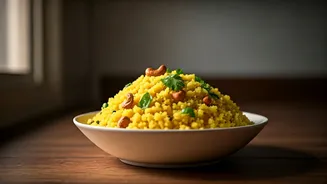
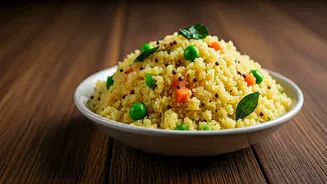
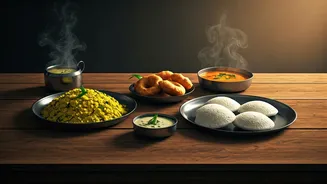
Upma’s refusal to go out of style is directly tied to its incredible adaptability. It’s the ultimate culinary chameleon. Don’t have rava? Use flattened rice (poha), vermicelli (seviyan), broken wheat (dalia), or even fashionable millets and quinoa. The core technique remains the same, but the texture and nutritional profile transform entirely. The simple tadka is just the beginning. In Maharashtra, you might find it generously studded with onions and peanuts. Head to Karnataka, and the beloved 'Khara Bath' often includes a medley of finely chopped vegetables and a pinch of vangi bath powder for a complex aroma. In Tamil homes, a dollop of ghee and a sprinkle of sugar on top is not uncommon for kids. This adaptability doesn't just exist across regions, but within a single kitchen. It’s a dish that gracefully accepts whatever you have on hand—a handful of peas, a lone carrot, a few cashews—turning pantry odds and ends into a cohesive, satisfying meal.
More Than Just a Quick Fix
Often dismissed as “just” a breakfast food or a quick snack, Upma is a surprisingly balanced meal. The semolina provides carbohydrates for instant energy, making it a perfect start to the day. The traditional tempering with urad and chana dal adds a small but significant protein boost. When enriched with vegetables, it delivers fibre and essential vitamins. The inclusion of nuts and ghee introduces healthy fats. In a world increasingly obsessed with complex diets and superfoods, Upma stands as a testament to traditional wisdom—a simple, wholesome meal that nourishes without fanfare. It’s light on the stomach, easy to digest, and provides sustained energy rather than a sharp sugar spike. This inherent healthiness is a major reason it has remained a staple for everyone, from busy professionals to growing children and the elderly.
A Warm Bowl of Nostalgia
Beyond its practicality and nutritional benefits, Upma’s most potent ingredient is nostalgia. For millions, the smell of roasting rava and sputtering mustard seeds is the smell of home. It’s the taste of a mother’s quick-fix dinner on a rainy evening, the comfort of a hot tiffin box during a school lunch break, or the first dish many learn to cook. It’s a food that is deeply intertwined with care and affection. It doesn’t require hours of labour or rare ingredients, but it does require attention—the perfect roast of the rava, the right water-to-grain ratio, the final flourish of ghee or lemon juice. This act of mindful preparation, even for a “simple” dish, is an act of love. This emotional connection is what elevates Upma from mere sustenance to soul food, securing its permanent place in our hearts and kitchens.