






Beyond the Basic Play Area
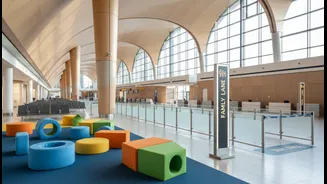
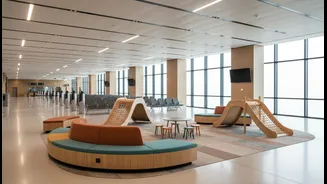
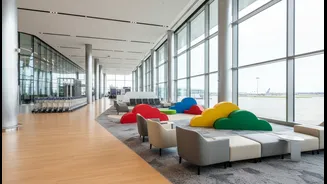
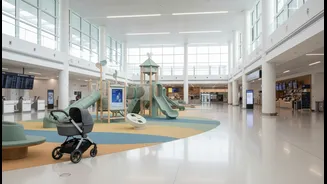
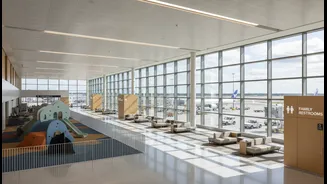
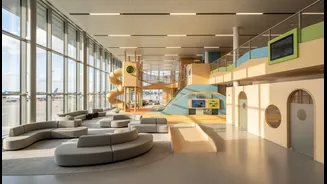
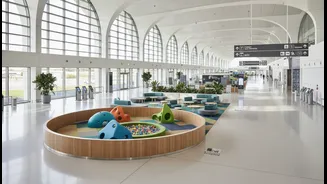
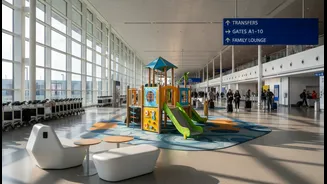
The days of a sad, isolated plastic slide in a forgotten corner are numbered. Airports are now investing in sophisticated, engaging play zones designed to be mini-destinations. These are not just token gestures but thoughtfully created spaces. For instance,
some airports are partnering with local museums to create interactive, educational exhibits. You might find aviation-themed climbing structures at Boston Logan International Airport's 'Kidports' or whimsical, beach-themed play areas like 'LAX Beach' at Los Angeles International. The goal is to provide a safe and stimulating environment where children can burn off pre-flight energy, turning layover time from a challenge into an opportunity for fun. This focus on imaginative play keeps children entertained and significantly reduces stress for parents trying to manage restless little ones.
A Private Oasis for Parents
For parents of infants and toddlers, finding a clean, private, and comfortable space to feed or change their child has long been a major travel hurdle. Airports are finally responding with a significant upgrade to nursing and family rooms. Recent legislation in countries like the U.S. has mandated that major airports provide private, non-bathroom lactation spaces equipped with seating, a table, and electrical outlets. These modern suites go beyond basic requirements, offering calming décor, comfortable seating, and even amenities like sinks and changing tables. Chhatrapati Shivaji Maharaj International Airport (CSMIA) in Mumbai, for example, provides several private baby care rooms for parents to feed and soothe their infants. Similarly, Kempegowda International Airport (KIA) in Bengaluru is recognised for its family-friendly amenities, which include well-equipped baby care rooms. These facilities provide a quiet sanctuary away from the terminal's hustle, making a profound difference for parents.
Streamlining the Journey
The challenges of family travel extend beyond amenities to the logistical nightmare of getting from check-in to the gate. Airports and security agencies are introducing services to ease this burden. Dedicated family security lanes, like the 'Families on the Fly' program being rolled out by the TSA in the US, are designed to reduce stress during security screening for parents with children under 12. In India, airports like Mumbai offer personalised 'Pranaam' services to assist passengers, which can be invaluable for families navigating the airport for the first time. Furthermore, there is a growing availability of complimentary strollers at airports such as Mumbai's CSMIA, saving parents the hassle of checking their own. Clearer wayfinding, family-friendly shuttle services, and efficient transfers all contribute to a smoother, less frantic journey through the airport.
Indian Airports on the Rise
Indian airports are increasingly being recognised on the global stage for their family-centric approach. In recent 2026 rankings, both Kempegowda International Airport (KIA) in Bengaluru and Rajiv Gandhi International Airport (RGIA) in Hyderabad featured among the world's top five most family-friendly airports. Hyderabad's airport was praised for a suite of facilities including play areas, family rooms, and complimentary strollers. Bengaluru's KIA was lauded for its engaging environment and for introducing India's first sensory room to support neurodivergent passengers. Major hubs like Delhi's Indira Gandhi International Airport and Mumbai's CSMIA also offer a range of services including childcare rooms and lounges, positioning them as key players in the move towards more thoughtful travel infrastructure.
Why Airports Are Investing in Families
This shift isn't just about altruism; it's smart business. Millennial families are a fast-growing and powerful demographic in the travel industry. Airports that successfully cater to their needs create a positive experience, which builds brand loyalty and encourages future travel. A stress-free journey for parents often translates into more time spent in retail and dining areas, boosting an airport's non-aeronautical revenue. By recognizing that a family's vacation begins at the airport, operators are moving away from a purely functional model to an experiential one. Investing in play areas, comfortable nursing rooms, and streamlined services is an investment in the next generation of travellers and a clear signal that the era of family-unfriendly airports is coming to an end.