





A Hygienic Solution in a Post-Pandemic World
The global pandemic fundamentally changed consumer habits, particularly around hygiene. Communal makeup testers, once a staple of beauty counters, became a source of anxiety. This created the perfect opportunity for virtual try-on (VTO) technology to
shine. Brands quickly pivoted to offering digital alternatives that allowed shoppers to experiment with products in a safe, touch-free way. This shift wasn't just a temporary fix; it accelerated the adoption of a more convenient and hygienic way of shopping that consumers have eagerly embraced, moving from a novelty to a necessity for many.
The Power of Hyper-Personalisation
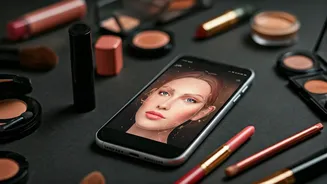
At its core, VTO is powered by sophisticated Artificial Intelligence (AI) and Augmented Reality (AR). This isn't just a simple filter; advanced technology maps over 100 points on a user's face to create a hyper-realistic simulation of how a product will look. Consumers can instantly test dozens of lipstick shades, find the perfect foundation match for their unique skin tone, or even see how a new hair colour suits them. This level of personalization was impossible in-store, where lighting is often poor and removing and reapplying makeup is a chore. Now, with a few clicks, shoppers get a tailored experience that caters directly to their features and preferences.
Boosting Buyer Confidence and the Bottom Line
One of the biggest hurdles in online beauty shopping has always been uncertainty. Will that shade of concealer actually match? Does that bold lipstick look as good in reality as it does online? VTO technology directly addresses this purchase anxiety. By allowing consumers to visualize the product on themselves, it provides a powerful sense of confidence before they click 'buy'. The results are dramatic for businesses. Brands using AR have reported conversion rate increases of up to 90%. Some studies show that VTO can make a customer 2.4 times more likely to complete a purchase. This confidence also has a major downstream benefit: a significant reduction in product returns, which can be cut by as much as 64%. Fewer returns mean less waste and lower operational costs for brands.
More Than a Tool, It's an Experience
Beyond its practical utility, virtual try-on is also incredibly engaging. It gamifies the shopping process, turning a simple search into a fun, interactive session. Consumers spend more time on a brand's website or app, experimenting with different looks and products they might not have considered otherwise. This extended engagement, sometimes up to 200% longer than traditional shopping methods, builds a stronger connection between the customer and the brand. It encourages discovery and often leads to larger basket sizes as shoppers add more of the products they've enjoyed trying on. This interactive element also turns shoppers into creators, who can share their virtual looks on social media, providing organic marketing for the brand.
The Data-Driven Future of Beauty
For brands, the benefits extend beyond immediate sales. Every virtual try-on session generates valuable data. Companies can see which products are being tried most, which shades are popular in different regions, and what trends are emerging in real-time. This insight is gold, allowing brands to make smarter decisions about product development, inventory management, and marketing strategies. Major players like L'Oréal, Sephora, and MAC have invested heavily in this technology, integrating it into their online and in-store experiences to better understand and serve their customers. This data-driven approach allows them to anticipate consumer needs rather than just reacting to them, securing a major competitive advantage.