




The Urban Space Crunch
In bustling Indian cities like Bengaluru, Mumbai, and Delhi, co-living has become a popular choice for young professionals and students. These spaces offer a hassle-free, community-driven lifestyle in prime urban locations. However, the private rooms,
while convenient, are often compact. This is the central challenge for every tenant: how to fit a bedroom, a workspace, a lounge area, and storage into a single room without it feeling cramped and cluttered. Traditional, bulky furniture is simply not an option. This spatial constraint is the primary driver pushing residents toward more intelligent and flexible solutions.
Functionality is King
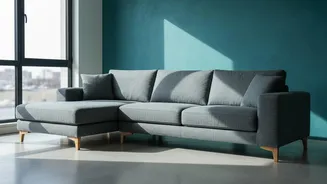
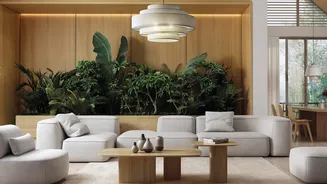
The hero of the small-space story is multi-functional furniture. These are pieces that work double or even triple duty. A sofa that seamlessly transforms into a guest bed, a coffee table with a lift-top that becomes a work desk, or a bed with hydraulic storage underneath are no longer novelties but necessities. For a co-living tenant, a single piece of furniture can solve multiple problems. That sofa-cum-bed means they can host a friend overnight without needing a spare room. The storage bed eliminates the need for an extra chest of drawers, keeping the floor clear and the room feeling more open. This focus on utility ensures every square foot of the room is used effectively.
The Power of Modular Design
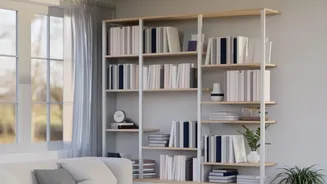
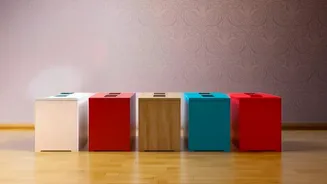
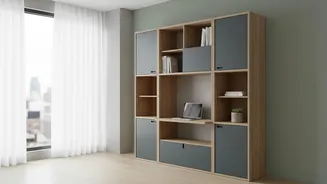
While multi-functional furniture solves the utility problem, modular furniture tackles personalization and adaptability. Modular pieces consist of individual, standardized units that can be combined in various configurations. Think of it like building blocks for your room. A tenant can choose a wardrobe with the exact combination of drawers, shelves, and hanging space they need. If they move to a new room or city, these pieces can be easily disassembled, transported, and reconfigured to fit a new space. This is a huge advantage for a generation that values mobility and flexibility. It also allows tenants to add a personal touch to an otherwise uniform co-living room, giving them a sense of ownership and identity in a shared environment.
Aesthetics and Personal Expression
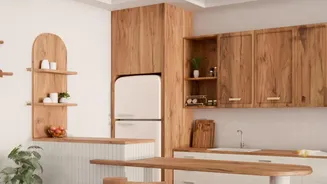
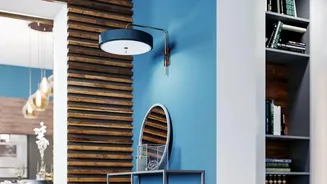
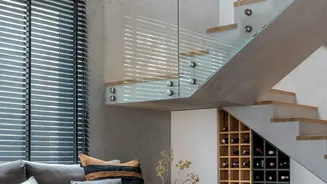
The choice isn't just about practicality; it's also about style. Modern modular and multi-functional furniture is designed with a clean, minimalist aesthetic that appeals to the urban millennial and Gen Z. These pieces often feature sleek lines, neutral colours, and clever designs that hide clutter. Wall-mounted shelves and desks, for instance, create a sense of spaciousness by keeping the floor clear. Sliding wardrobe doors save the space that swinging doors would occupy. By choosing these smart, stylish pieces, tenants can curate a space that is not only functional and organized but also a reflection of their personal taste, making their compact room a comfortable and visually appealing sanctuary.
A Smart Financial Choice
Investing in furniture can feel daunting, especially for those in the transient phase of early careers or education. Modular furniture presents a cost-effective, long-term solution. Instead of buying cheap, disposable furniture that won't survive a move, tenants are opting for durable, adaptable pieces. The ability to replace or add single modules as needs change, rather than buying a whole new set, is a significant financial benefit. It aligns with a modern mindset of buying fewer, better things that last. This approach is not just a trend but a pragmatic lifestyle choice, balancing immediate needs with future flexibility.