

The Allure of the Pea
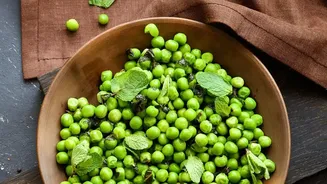
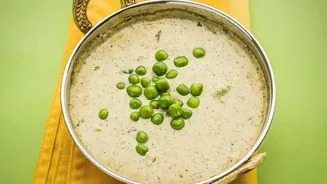
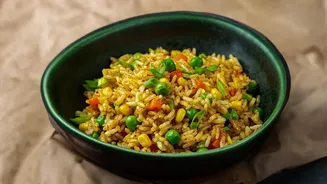
Green peas are a powerhouse of nutrition, packed with protein, fibre, and essential vitamins. When stir-fried, their natural sweetness intensifies, and they develop a delightful pop. Unlike other vegetables that can become limp, peas hold their shape
and texture well under the high heat of a wok or skillet, making them an ideal candidate for this quick-cooking method. The key is to cook them just enough to become tender and vibrant green, avoiding the dreaded mushy state. This technique not only preserves their fresh flavour but also their nutritional benefits.
Fresh vs. Frozen: A Cook's Dilemma
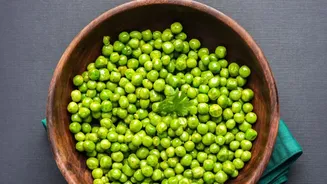
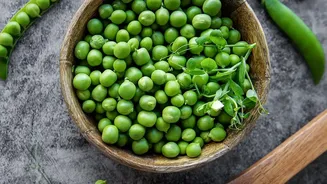
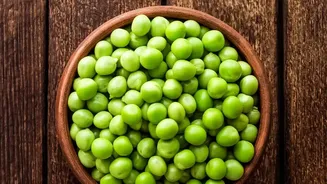
While fresh, seasonal peas have a uniquely sweet taste, high-quality frozen peas are an excellent and convenient alternative. Frozen peas are typically flash-frozen at their peak freshness, locking in both flavour and nutrients. For stir-frying, there's no need to thaw frozen peas; you can add them directly to the hot pan, which helps them stay crisp. If you're using fresh peas, a quick blanch in boiling water for a couple of minutes can help them cook evenly and retain their bright colour before they hit the stir-fry. However, for a very quick stir-fry, even fresh peas can be added directly, cooking for just a few minutes until tender.
Mastering the Technique
The secret to a great stir-fry is high heat and quick cooking. Start by heating your oil in a wok or large skillet until it shimmers. Popular choices in Indian cooking include vegetable oil or even mustard oil for a pungent kick. First, add your aromatics. Cumin seeds are a classic starting point; wait for them to sizzle and pop to release their flavour. Minced garlic, grated ginger, and sliced onions or shallots can follow, sautéed for just a minute until fragrant. Then, add the peas and stir-fry briskly. The goal is constant movement to ensure everything cooks evenly without burning. The entire process should only take about 5 to 7 minutes.
Essential Indian Flavour Pairings
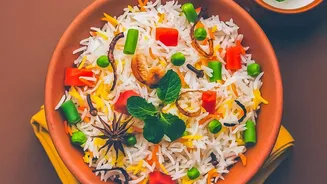
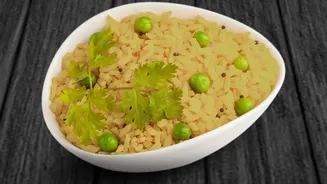
A simple green pea stir-fry, often known as 'Matar ki Sabzi', shines with a blend of classic Indian spices. After adding the peas, sprinkle in turmeric for colour, coriander powder for earthy notes, and a touch of red chilli powder for heat. A pinch of asafoetida (hing) added with the initial tempering of seeds can provide a savoury, onion-like depth. To finish, a squeeze of lemon juice or a dash of dry mango powder (amchur) adds a bright, tangy contrast that cuts through the sweetness of the peas and the warmth of the spices. Garam masala can be stirred in right at the end for a final burst of fragrant aroma.
Creative Variations and Add-ins
Once you have the basic technique down, the possibilities are endless. For a heartier dish, add diced and fried paneer or boiled potatoes. Toasted nuts or seeds, like sesame seeds, can add a wonderful crunch. Other vegetables like shredded cabbage, carrots, or mushrooms can be included for more texture and flavour. For a different protein, cooked chicken or shrimp can be tossed in towards the end of cooking. Some recipes even incorporate a touch of soy sauce or oyster sauce for a fusion of Asian flavours.