





The End of an Era: From Stickers to Digital Status
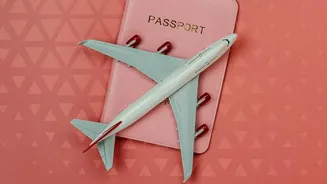
For decades, a UK visa meant a physical vignette sticker in your passport or, for longer stays, a Biometric Residence Permit (BRP)—a plastic card held as proof of status. That system is now being phased out completely. As of 2026, the UK has transitioned
to a digital-first approach. Instead of a physical document, your permission to enter and stay in the UK is recorded as an electronic visa, or eVisa. This change is part of a broader government strategy to create a more secure and streamlined digital border system, reducing the risks of lost or fraudulent documents.
What is an eVisa?
An eVisa is not a document you print out; it is a secure, digital record of your immigration status held in the Home Office's database. This electronic record contains key details: your identity, the type of visa you hold (e.g., student, skilled worker, tourist), and the specific conditions attached, such as your right to work or study. It is directly and electronically linked to the passport you used for your application. When you travel, airlines and border officials verify your status by scanning your passport, which then communicates with the central UKVI system to confirm your permission to travel.
Your New Digital Key: The UKVI Account
This is where the UKVI account becomes central. A UKVI account is your personal online portal to your immigration status. The eVisa itself resides within this account. When your visa application is approved, you will need to create a UKVI account to access and manage your digital status. Think of it as the online banking app for your visa. It’s the single place where you can view your eVisa, check your permissions, and, crucially, keep your personal details up to date.
Why the Account Is Now Non-Negotiable
Under the old system, your passport sticker or BRP was the primary proof of your rights. Now, that proof lives online, and the UKVI account is the only way to access it. You will need to access your account to generate a 'share code'. This time-limited code allows you to prove your status to third parties like employers, landlords, or banks without having to show them your entire visa record. Furthermore, your eVisa is linked to a specific passport. If you renew your passport, you must update the new passport details in your UKVI account. Failure to do so could lead to significant travel delays or even being denied boarding by an airline, as your new passport won't be linked to your digital visa.
Practical Steps for Indian Applicants
For new applicants, creating a UKVI account is now a mandatory step in the visa process. You'll be prompted to do so after your application is granted. It is vital to use a personal, permanent email address that you will not lose access to, as this will be your key to managing your immigration status for years to come. For those who previously held BRPs, the government has been rolling out invitations to create accounts to transition their status online. Whether new or existing, keeping your login details secure is as important as safeguarding your passport itself.
Benefits and Potential Pitfalls
The primary benefit of the eVisa system is security and convenience. Your immigration status can't be physically lost, stolen, or damaged. It also streamlines processes, as proving your status can be done instantly with a share code. However, the system introduces a new reliance on technology. Losing access to your UKVI account login or failing to update your passport details can cause serious complications. Travellers are now responsible for ensuring their digital record is accurate before they head to the airport, adding a new layer of personal administration to international travel.