




India’s journey towards technological self-reliance took another leap forward with the launch of the NVS-03 satellite. This mission is more than just another satellite in orbit; it's a vital upgrade for India's own navigation system, NavIC.
The Launch Details
The Indian
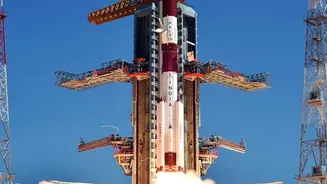
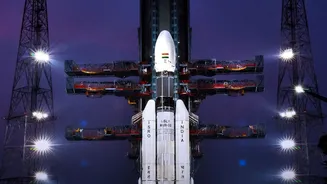
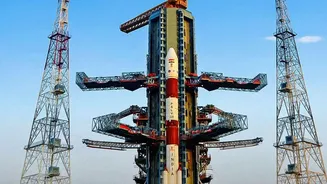
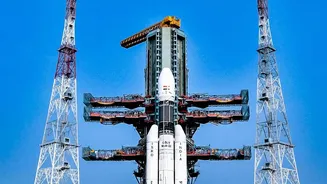
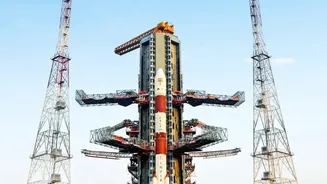
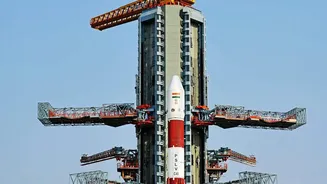
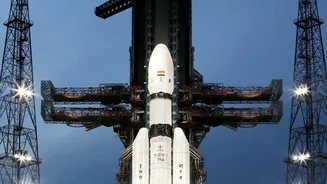
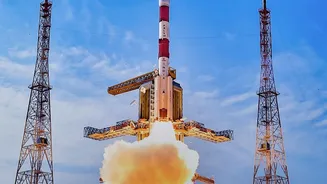
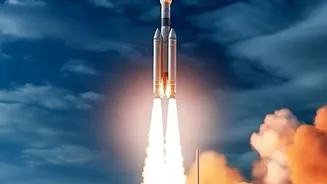
Space Research Organisation (ISRO) successfully launched the NVS-03 navigation satellite on October 30, 2026. The liftoff took place at 11:51 PM India Standard Time from the Satish Dhawan Space Centre in Sriharikota, Andhra Pradesh. The 2,232 kg satellite was carried aboard a Geosynchronous Satellite Launch Vehicle (GSLV-F18). After a flight of approximately 19 minutes, the rocket successfully placed the satellite into its intended Geosynchronous Transfer Orbit. This marked the 20th flight for the GSLV and was accomplished with a quick turnaround of just 56 days between GSLV missions, a record for ISRO.
Understanding NavIC
To grasp the importance of NVS-03, one must first understand NavIC, which stands for Navigation with Indian Constellation. It is India’s indigenous regional navigation satellite system, often described as India's answer to the American GPS. However, unlike GPS which has global coverage, NavIC is designed to serve India and a region extending about 1,500 kilometres beyond its borders. The need for a sovereign navigation system was highlighted during the 1999 Kargil conflict, prompting India to develop its own to avoid dependence on foreign systems for strategic and military requirements. NavIC provides two types of services: the Standard Positioning Service (SPS) for all users and an encrypted Restricted Service (RS) for authorised users like the military.
The Core Mission of NVS-03
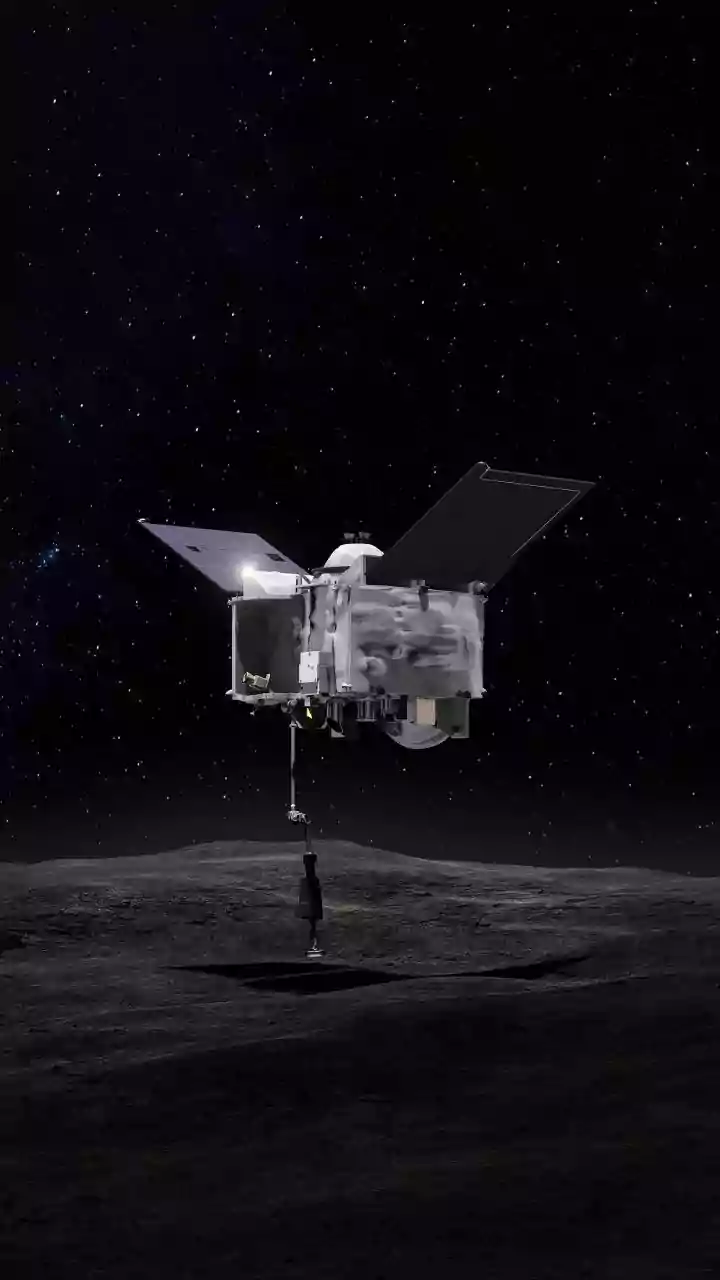
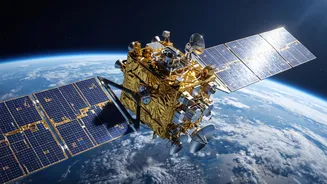
The primary purpose of the NVS-03 mission is to ensure the continuity and enhancement of NavIC services. It is a second-generation satellite designed to augment and eventually replace the older first-generation satellites, some of which were hampered by failing atomic clocks. This launch was crucial as it helped restore the NavIC system to its minimum operational requirement of four functioning satellites. By bolstering the constellation, NVS-03 ensures that the NavIC system remains a reliable and robust strategic asset for the nation.
Key Technological Upgrades
NVS_03 brings significant technological advancements. One of the most important features is the inclusion of an indigenously developed rubidium atomic clock. These clocks are critical for navigation satellites, as even a tiny error in timing—mere nanoseconds—can lead to significant inaccuracies in positioning. Developing this technology inhouse at the Space Applications Centre in Ahmedabad reduces India's reliance on imported components, a major step towards 'Aatmanirbhar Bharat' in space technology. Additionally, NVS_03 transmits signals in the L1 frequency band, alongside the existing L5 and S_band signals. The L1 band is widely used by consumer devices globally for GPS, and its inclusion is expected to make it easier for NavIC to be adopted in commercial devices like smartphones.
Why This Launch Matters for India
The successful launch of NVS_03 is a landmark achievement with wide_ranging implications. Strategically, it strengthens India's autonomy, ensuring the armed forces have access to a secure, encrypted, and independent navigation system for land, air, and sea operations. For civilians, a robust NavIC system has numerous applications. It can enhance transportation safety and efficiency, aid in disaster management by providing precise location data for rescue operations, and support financial services and power grids that rely on synchronised timing. As the NavIC constellation is completed and more consumer devices become compatible, its benefits will become increasingly integrated into the daily lives of people across India.