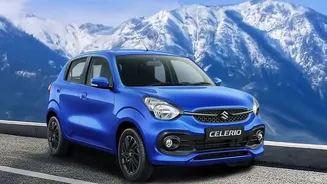





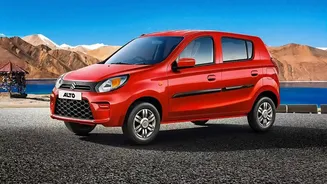

A Wave of Price Hikes
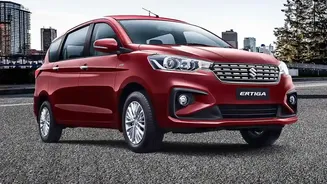
Just as India gears up for the festive buying period, which traditionally kicks off in late August, most of the country's major automakers have announced fresh price increases. Maruti Suzuki India Ltd. raised prices by up to ₹30,000 in August, its second
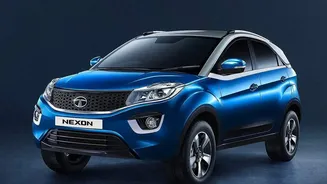
hike in about three months. Following suit, Hyundai Motor India announced a price increase of up to 1% effective from September 2026, marking its third such revision this year. Tata Motors also confirmed that prices for its passenger vehicles, including both petrol and electric models, will go up by as much as ₹25,000 from September 1. This consistent upward trend from market leaders indicates a broad-based pressure on vehicle costs that is now being passed on to the consumer right at the cusp of the year's most crucial sales period.
Why Your Next Car Costs More
The primary reason cited by nearly every manufacturer is the relentless increase in input and commodity costs. This isn't just one factor but a combination of pressures. Persistent inflation, rising costs of raw materials like steel and precious metals used in components, and higher energy prices are squeezing manufacturers' profit margins. Furthermore, geopolitical and macroeconomic uncertainties have a ripple effect on global supply chains, impacting everything from the cost of microchips to EV batteries. Automakers state they have been absorbing a significant portion of these increased costs, but the sustained pressure has made it necessary to pass some of the burden to customers.
The Festive Season Paradox
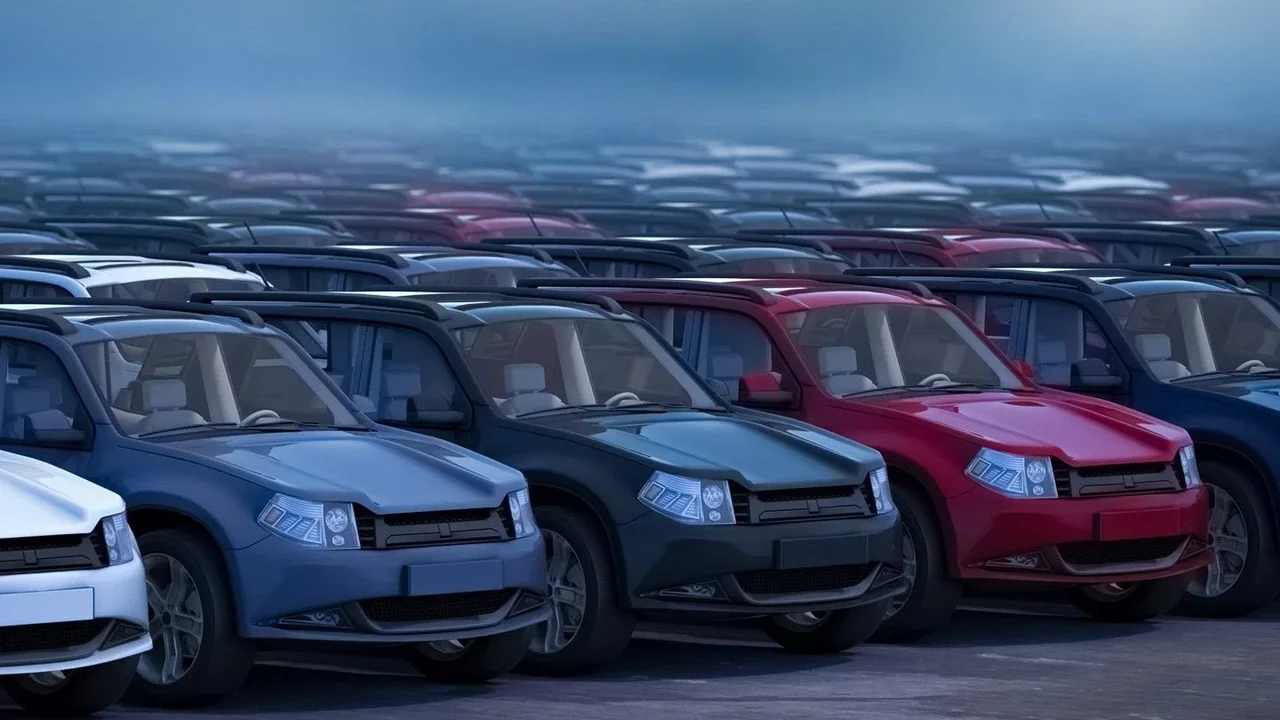
Despite the higher price tags, the automotive industry remains optimistic about the festive season. July 2026 saw record-breaking wholesale numbers as manufacturers ramped up production and dispatched vehicles to dealerships to build inventory for the expected surge in demand. Dealerships are reporting a build-up in bookings, and more than 74% expect growth in August. This creates a paradoxical situation: while cars are becoming more expensive, demand appears to be robust. Automakers are betting that strong consumer sentiment, new model launches, and the cultural significance of festive buying will override the impact of the price hikes. Companies like Mahindra & Mahindra and Hyundai are even increasing production capacity to meet the anticipated rush.
Smart Strategies for the 2026 Buyer
For those determined to buy a car this festive season, navigating the current market requires a strategic approach. The price hikes are not uniform across all models and variants. For instance, Hyundai's increase is a percentage of the car's cost, while Tata's and Maruti's are a flat amount up to a certain ceiling, meaning the impact will differ based on the car you choose. This is not a market for impulse buys. Prospective buyers should research extensively, compare the updated price lists, and be open to considering different variants or even models that might offer better value. Exploring financing options and negotiating with dealers, who may be keen to move stock, could also yield benefits. With dealer inventory levels currently higher than usual, there might be room for deals on specific models, especially those from the previous model year.