







Your Monsoon Survival Kit
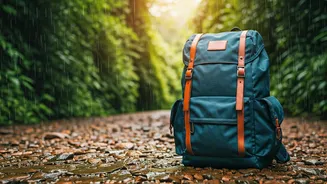
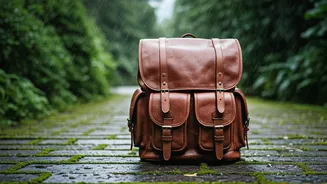
An umbrella is just the starting point. To truly conquer the monsoon commute, your bag needs a strategic upgrade. A waterproof backpack or a reliable rain cover is non-negotiable to protect electronics and important documents. Invest in a pair of sturdy,
rubber-soled footwear with good grip; they dry faster and prevent dangerous slips on slick pavements. A quick-dry towel can be a lifesaver, and keeping a spare set of clothes at your workplace can spare you the discomfort of sitting in damp attire all day. Finally, since downpours can cause unexpected delays and drain your phone battery, a fully charged power bank is an absolute essential for staying connected.
Prep Your Vehicle for the Deluge
Whether you drive a car or ride a two-wheeler, your vehicle needs a pre-monsoon check-up. Ensure your tyres have adequate tread depth (at least 2-3 mm) to maintain grip on wet roads. Worn-out tyres are a major risk for skidding. Your brakes, wipers, and headlights must be in top condition. Worn wiper blades can streak, severely impairing visibility in heavy rain. It’s also wise to keep your fuel tank topped up, as you’re more likely to get stuck in long traffic jams. For two-wheeler riders, a helmet with a clean, clear visor is crucial, and cautious braking is necessary to prevent skids, especially when carrying a pillion rider.
Drive Smarter, Not Faster
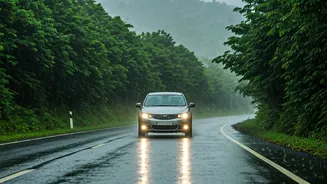
Common sense on the road is your best defense. Reduce your speed significantly; driving at high speeds on wet roads is incredibly risky as it compromises braking efficiency and control. Double the usual distance between your vehicle and the one ahead to allow for longer braking distances. Avoid sudden acceleration or braking. A particularly important tip is to steer clear of waterlogged areas and puddles. They can hide deep potholes or debris that can damage your vehicle or cause you to lose control. If you must drive through water, do so at a low, steady speed. Lastly, always use your low-beam headlights during the day to ensure other drivers can see you.
Outsmart Jams with Technology
Modern technology offers a powerful advantage against monsoon traffic. Navigation apps like Google Maps and Waze are no longer just for finding routes; they provide real-time traffic updates, flagging congestion, road closures, and waterlogged areas. Many local traffic police departments now share live updates on social media platforms, which can help you avoid major snarls. In some cities, traffic police are directly coordinating with navigation apps to ensure advisories reach commuters instantly. Before you leave, check these apps and consider alternative routes. If possible, adjusting your travel time to avoid peak rush hours can make your journey smoother and safer.
Don't Let the Rains Spoil Your Health
The monsoon is a breeding season for mosquitoes and water-borne pathogens. This leads to a spike in diseases like dengue, malaria, typhoid, and various gastrointestinal infections. To stay healthy, avoid eating street food, which can be contaminated, and ensure you drink only boiled or purified water. Proper hygiene, like frequent hand washing, is crucial. Walking through stagnant water can lead to fungal infections and diseases like leptospirosis, so try to keep your feet dry and clean. If you experience symptoms like high fever, body aches, or stomach issues, it’s best to consult a doctor promptly instead of self-medicating.