







The Slow Fade of the Shopping Spree
Remember when weekends were synonymous with the mall? It was more than just a place to buy things; it was a social hub, a teenage hangout spot, and a default destination for a day out. But that era is drawing to a close. Today, the once-bustling corridors
of many shopping centres are quieter, with foot traffic declining and anchor stores closing. Between 2017 and 2022, an average of 1,170 shopping malls closed each year in the United States, a clear sign that shopping as a leisure activity is losing its lustre. [15] Younger generations, in particular, who once might have congregated at a food court, now connect through social media and online gaming, making the mall less essential as a social space. [18] The simple act of 'going shopping' no longer holds the same appeal it once did, forcing us to ask: if we're not at the mall, where are we?
From Possessions to Presence
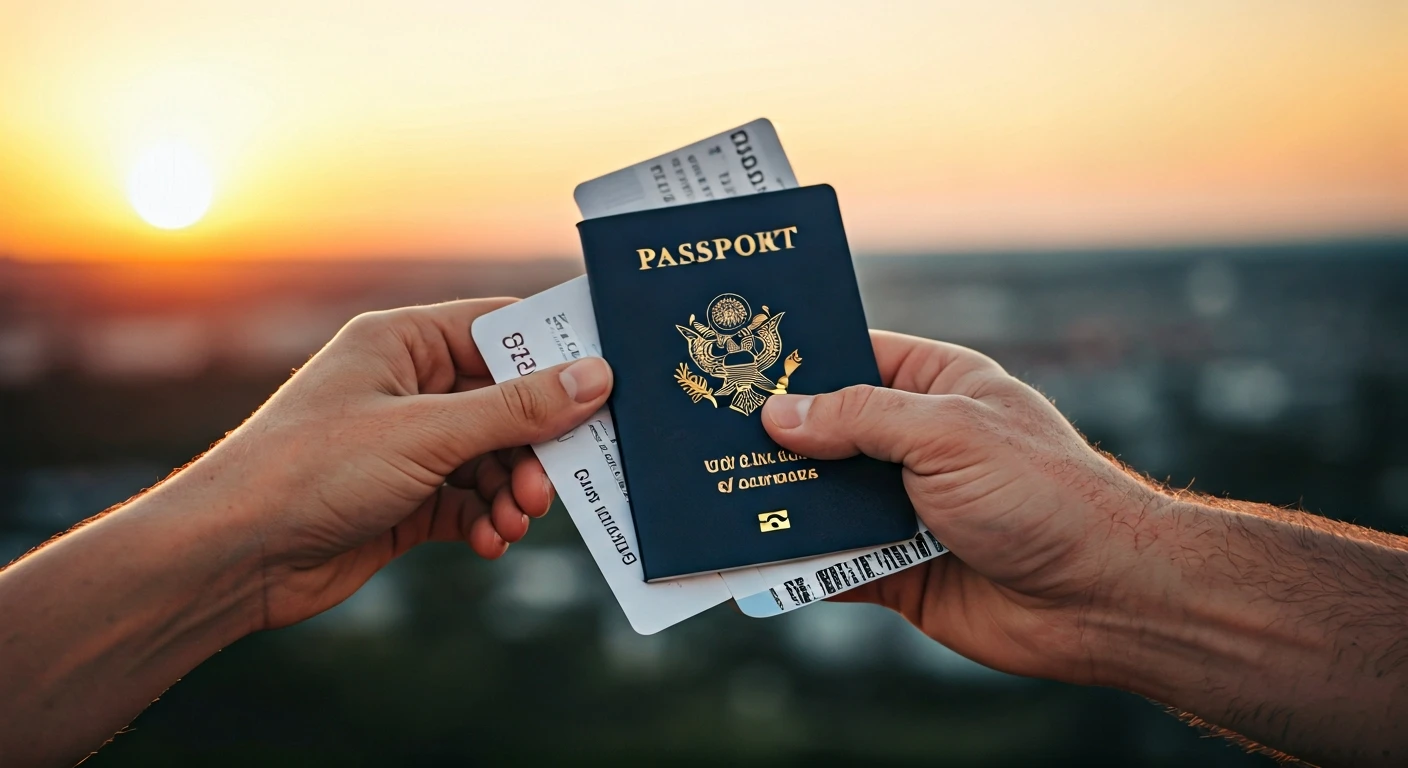
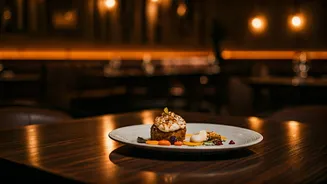
The fundamental shift is one of values. There's a growing movement, especially among Millennials and Gen Z, away from accumulating material goods and towards collecting memories and experiences. [1] This is the core of the 'experience economy,' where the value is placed not on what you own, but on what you do. One 2023 report found that 78% of Millennials would rather spend money on an experience, like a concert or a trip, than on a material item. [1] This isn't just a fleeting preference; it's a redefinition of a life well-lived. Economic realities play a significant role, with traditional markers of success like homeownership feeling increasingly out of reach for many. [1] Instead of saving for a down payment they may never afford, many are choosing to spend their discretionary income on travel, dining, and wellness retreats that offer immediate fulfillment and lasting memories.
The Rise of Local and Communal
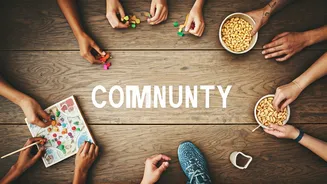
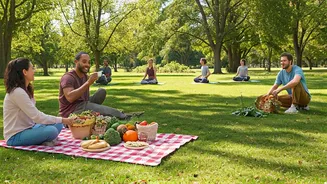
So, what are people doing instead? They're going local. One of the most visible replacements for the mall is the farmers' market. The number of these markets in the U.S. has exploded from roughly 2,000 in 1994 to over 8,600 today. [3] These aren't just transactional places to buy produce; they are vibrant community hubs offering fresh food, a chance to support local farmers, and a social atmosphere. [3, 7] The trend accelerated during the pandemic when outdoor shopping felt safer, and it has stuck. [3, 9] Beyond markets, people are flocking to skill-based workshops, local craft fairs, community clean-ups, and neighbourhood parks. This pivot towards localism fosters a sense of connection and belonging that transactional shopping often lacks, building community one weekend at a time.
The Push for Intentional Living
This trend isn't just about finding alternatives; it's about actively rejecting the old way. A conscious anti-consumerism movement has gained traction, popularized through social media trends like the 'No-Buy Year'. [22, 23] Participants publicly commit to avoiding non-essential purchases for a set period, aiming to save money, reduce their environmental impact, and break the powerful cycle of impulse buying. [22] This mindset encourages creativity and resourcefulness, inspiring people to 'shop their own closets' or learn to repair items rather than replace them. [17] It's a deliberate move away from 'retail therapy' and toward a more intentional life, where well-being isn't found in a shopping bag but in financial freedom, less clutter, and more meaningful activities.