






The Great Honeymoon Migration
A distinct shift is underway in the Indian wedding landscape. For years, the default honeymoon involved a frantic dash to an international airport, destined for a European city tour or a Southeast Asian island retreat. But now, a growing cohort of newlyweds
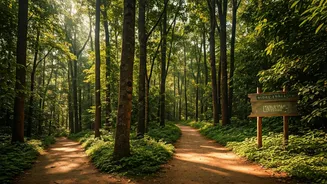
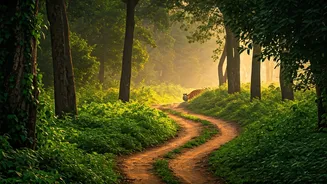
is looking inward, choosing the rustling leaves of a sal forest over the roar of a 747. Central India, with its legendary tiger reserves and burgeoning network of eco-lodges, has emerged as the unlikely heart of this quiet revolution. Travel agents and boutique resort owners report a significant uptick in bookings from couples specifically seeking a post-nuptial experience that is both memorable and mindful. This isn't just about saving on airfare; it's a conscious choice, reflecting a deeper change in values among young, urban Indians.
Beyond 'No Plastic Straws'
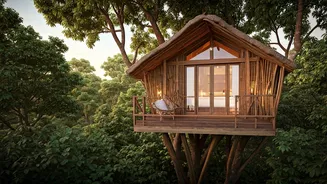
The term 'eco-conscious' has been diluted by marketing jargon, but the lodges attracting these couples are often the real deal. True eco-lodges in regions like Madhya Pradesh go far beyond simple green gestures. Their commitment is woven into their very structure, often built using local, sustainable materials like reclaimed wood and stone, designed to blend into the landscape rather than dominate it. They employ and train people from surrounding villages, ensuring the local community benefits directly from tourism. Water is recycled, waste is composted, and a significant portion of their revenue is often channelled back into conservation projects and anti-poaching patrols. For newlyweds, this means their stay contributes positively to the preservation of the very wilderness they have come to enjoy. It transforms the honeymoon from a simple vacation into an act of stewardship.
The Call of the Wild
Central India offers a stunning backdrop for this new-age romance. The region is home to some of the country's most iconic national parks, each with a unique personality. Bandhavgarh National Park, with one of the highest tiger densities in India, offers thrilling safaris and a sense of raw, untamed nature. Kanha National Park, the inspiration for Rudyard Kipling's 'The Jungle Book', boasts sprawling meadows and diverse fauna, providing a cinematic experience. Further south, Pench National Park offers a mix of dense teak forests and open grasslands, while Satpura National Park is unique for its non-jeep safari experiences, like guided walking tours and canoeing, allowing for a more intimate and peaceful connection with the environment. These are not just destinations; they are immersive ecosystems that offer a profound sense of escape.
The New Romance: Quiet and Connected
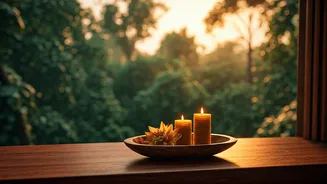
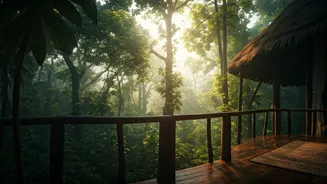
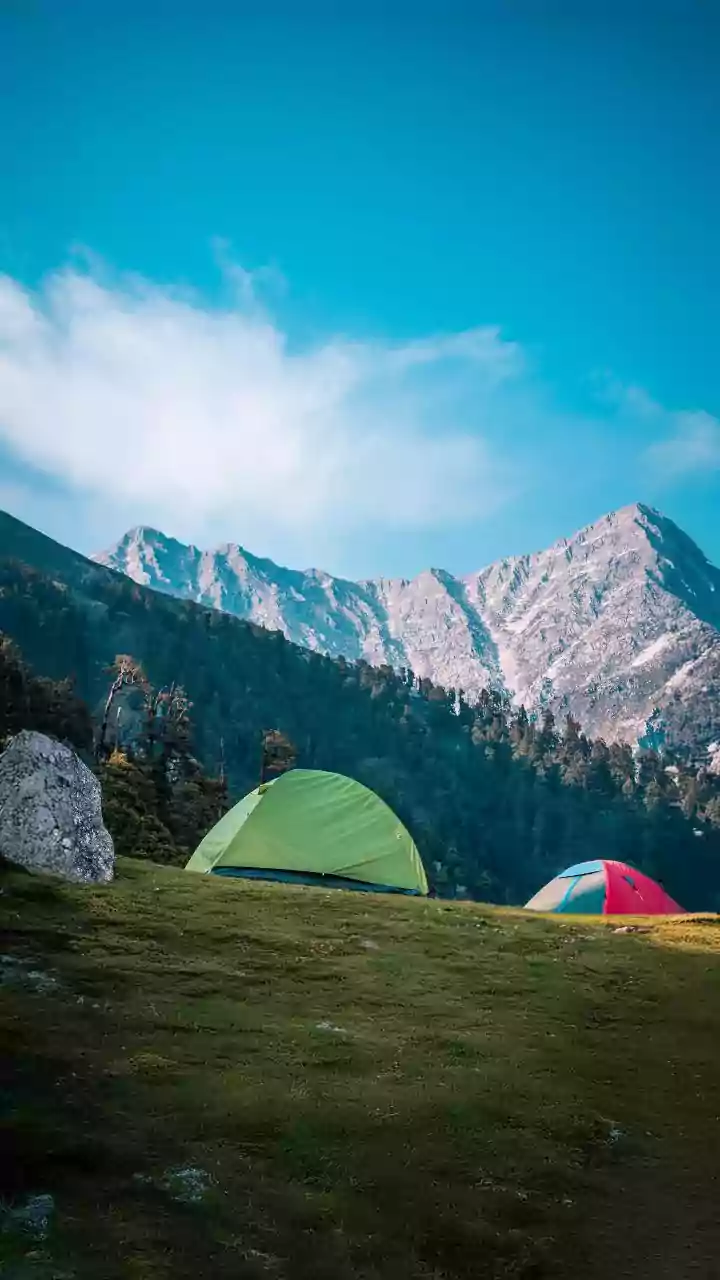
The appeal of a forest honeymoon lies in what it lacks: constant connectivity, crowded itineraries, and the pressure to perform for social media. Instead, it offers a different kind of luxury. Days are structured around the rhythm of the jungle—an early morning safari, a leisurely afternoon reading on a private verandah, a guided nature walk to learn about medicinal plants, and an evening spent under a blanket of stars, listening to the distant calls of the wild. It’s a chance for couples to disconnect from the digital world and reconnect with each other. The shared thrill of spotting a leopard, the quiet companionship on a walk, or simply enjoying a meal cooked with fresh, local ingredients creates a foundation of shared experiences that is far more grounding than a checklist of tourist attractions.
Is This Trend Here to Stay?
This movement towards sustainable, nature-based honeymoons appears to be more than a fleeting trend. It aligns with a global shift towards experiential travel and a heightened awareness of climate change and conservation. For many young Indians, who came of age with a greater understanding of environmental issues, a wedding and honeymoon are opportunities to express their values. By choosing a forest escape, they are making a statement that their new life together will be one rooted in intention and a respect for the world around them. As more couples share their stunning, authentic experiences from the heart of India, it inspires others to look beyond the conventional and discover the romance waiting in their own backyard.