

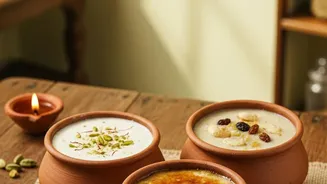
A Taste of Tradition
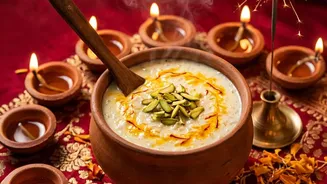
Long before refined sugar dominated our pantries, the sweetness in Indian desserts often came from natural sources like jaggery and sugarcane juice. Ganne ki Kheer, also known as Rasawal or Roh di Kheer, is a beautiful example of this heritage. Especially
popular in North Indian states like Punjab and Uttar Pradesh during winter harvests and festivals such as Lohri and Makar Sankranti, this dish is a celebration of the season. It’s a simple, soulful dessert that uses the earthy sweetness of sugarcane juice to create a creamy pudding, offering a comforting warmth and a taste of nostalgia. Unlike other kheers, it requires no extra sugar, letting the primary ingredient shine.
Gather Your Ingredients
The beauty of this recipe lies in its simplicity, with some variations allowing for a richer preparation. At its core, you will only need two main ingredients, but a few additions can elevate the texture and aroma. Core Ingredients: Sugarcane Juice (Ganne ka Ras): 1 litre, freshly extracted and strained. Rice: ½ cup of a short-grain, aromatic variety like Gobind Bhog or a broken Basmati. Ensure it is washed and soaked for at least 30 minutes. Optional Enhancements: Milk: ½ litre of full-cream milk can be used to cook the rice separately for a creamier texture or added to the juice to help clarify it. Cardamom (Elaichi): 2-3 green pods, crushed, or ½ teaspoon of powder for fragrance. Assorted Nuts: A handful of chopped almonds, cashews, and pistachios. Coconut: 2 tablespoons of grated or thinly sliced dried coconut. * Ghee: 1 teaspoon for roasting the nuts.
Step 1: Prepare the Sugarcane Juice
The most crucial step for a clean-tasting kheer is to purify the sugarcane juice. Pour the fresh, strained juice into a heavy-bottomed pan and bring it to a boil over medium heat. As it heats, a layer of scum or impurities will rise to the surface. Using a ladle or a fine-mesh sieve, carefully skim this foam off the top. Some traditional methods suggest adding a splash of milk during this process, as it helps the impurities coagulate, making them easier to remove. Repeat this until the juice looks clearer and scum no longer forms. This ensures your kheer will have a pleasant colour and taste.
Step 2: Cook the Kheer
Once the juice is clarified, reduce the flame to low. Drain the soaked rice and add it to the boiling sugarcane juice. If you are using it, this is also the time to add the crushed cardamom. Stir everything together well. Allow the mixture to cook on a low, steady flame, stirring occasionally to prevent the rice from sticking to the bottom of the pan. This slow simmering process is key; it can take anywhere from 25 to 40 minutes for the rice to become completely soft and the juice to thicken into a creamy, pudding-like consistency. Be patient, as this is where the flavours meld together beautifully.
An Important Tip to Avoid Curdling
A common challenge when making Ganne ki Kheer with milk is the risk of curdling, as the acidic nature of sugarcane juice can react with the milk. To avoid this, many recipes suggest two main approaches. The first method, as described above, involves cooking the rice directly in the sugarcane juice without milk. A second popular method involves cooking the rice separately in milk until soft and the milk has thickened. Only then should you slowly and gradually pour the warm sugarcane juice into the rice-milk mixture, stirring continuously over a low flame. Never add cold juice to hot milk, as this will almost certainly cause it to curdle.
Step 3: Finishing Touches and Serving
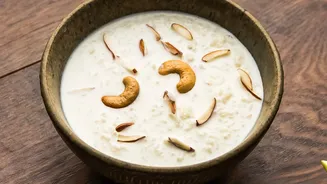
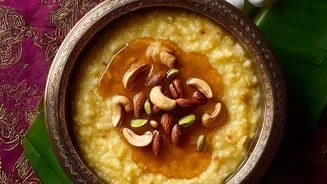
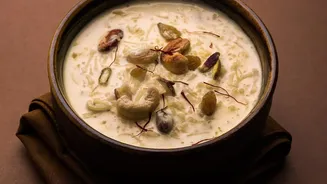
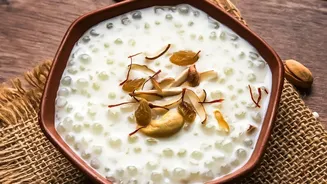
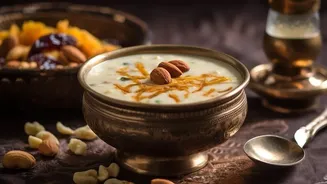
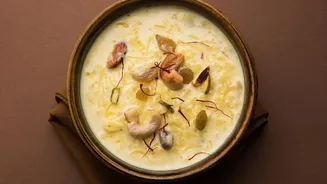
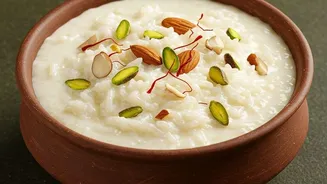
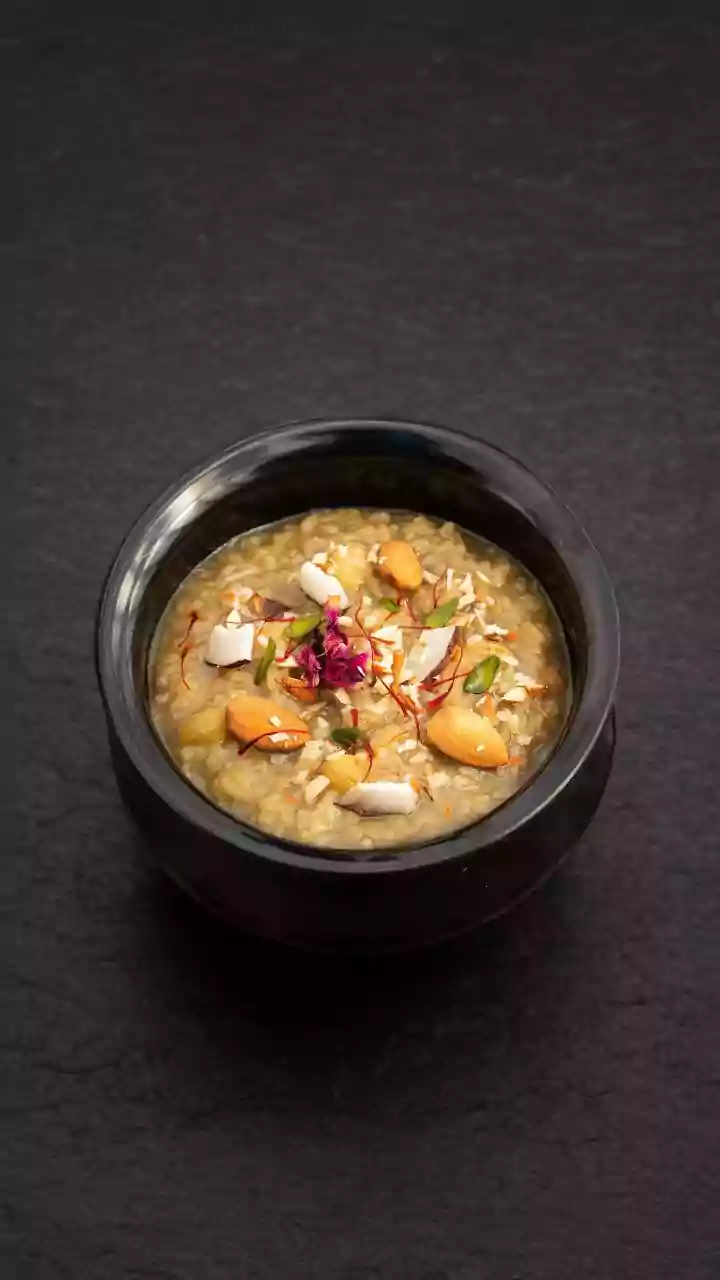
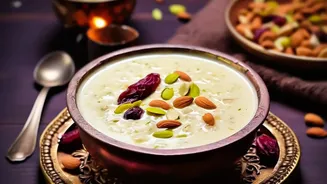
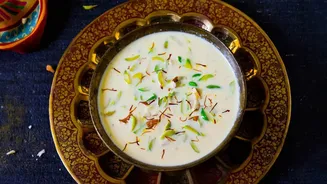
Once the kheer has reached your desired thickness, it's time for the final additions. If you're using nuts, you can lightly roast them in a separate small pan with a teaspoon of ghee until they turn golden brown. Add the roasted nuts, chopped coconut, and any raisins to the kheer, reserving a small amount for garnishing. Stir gently to combine everything, then switch off the flame. The kheer will continue to thicken as it cools. You can serve this delightful dessert warm, fresh off the stove on a chilly evening, or allow it to cool completely and serve it chilled. Garnish with the remaining nuts before presenting.