

The Global Craze with an Indian Soul
The latest buzzword on global menus is 'swicy', a portmanteau of sweet and spicy. This trend, popularized by everything from Korean gochujang-based dishes to hot honey drizzled on pizzas, is finding a natural home in India. But here, it’s less a novelty
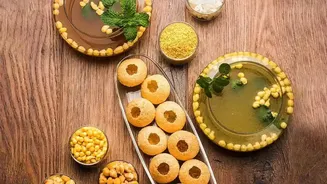
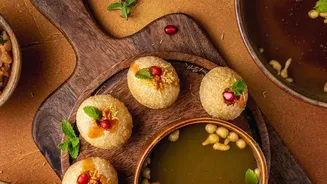
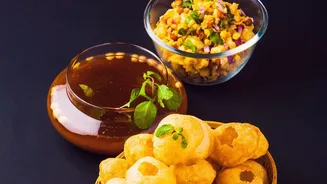
and more a reawakening. Indian cuisine has always instinctively balanced sweet and spicy notes—think of the tamarind and jaggery in chaat, the sweet and sour chutneys, or fruit sprinkled with chilli powder. What's new is the global vocabulary and the innovative formats. Chefs are now consciously creating dishes that highlight this complex flavour profile, from mango peri-peri wings to signature hot honey made with Kashmiri chillies. This isn't just about chasing a trend; it's about India recognizing a flavour philosophy it has perfected for generations and packaging it for a new, curious audience. The 'swicy' label has simply given a global name to a taste that feels like home.
A Return to Regional Roots
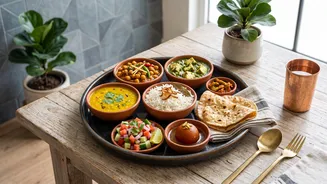
For years, Indian food outside the home was often reduced to a few popular North Indian staples. That era is decisively over. A powerful movement is underway to celebrate the country's immense culinary diversity by championing hyperlocal and regional cuisines. Diners are no longer just seeking 'South Indian food'; they are exploring the specific nuances of Keralan, Goan, or Naga cuisines. This shift is driven by a new generation of chefs and home cooks who act as culinary curators, unearthing forgotten recipes and prioritizing the stories behind their ingredients. Luxury in today's food world isn't an imported truffle but an heirloom grain from a small farm in Chhattisgarh. This focus on provenance and hyper-local traditions is transforming menus, with restaurants proudly showcasing dishes from specific communities and landscapes, reminding us that India's culinary future is both more global and intensely local.
The Comfort of Nostalgia
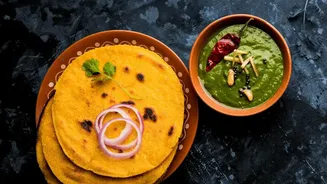
In a fast-paced world, there's a collective craving for comfort, and nothing delivers it quite like the food of our memories. This longing for the past is a significant force in today's food landscape. It’s not just about '90s kids reminiscing about candy cigarettes or Parle-G biscuits dipped in chai. The trend runs deeper, influencing what we buy and cook. There's a renewed interest in reviving old family recipes and traditional cooking methods. This can be seen in the resurgence of ancient grains like millets (jowar, bajra, ragi), which are now appearing in everything from bread to breakfast cereals. Snacks like makhana (foxnuts) have transitioned from being a traditional fasting food to a popular, healthy alternative to fried snacks. Even the simple, comforting meals associated with train journeys—like masala chai, bread omelettes, and vegetable pulao—are being remembered and recreated, speaking to a desire for authenticity and the simple, enduring tastes of the past.