








From Tourist Traps to True Taste
For decades, travel was often synonymous with standardised tourist menus. But a significant shift is underway. Modern travellers are increasingly bypassing the predictable for the personal. They are driven by a desire to taste what locals truly love,
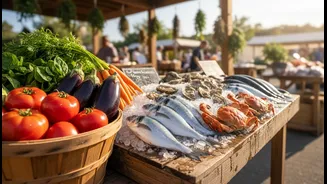
to understand the story behind a dish, and to experience a destination's culture through its food. This trend, often called hyperlocal dining, is about more than just eating local; it's about eating food that is deeply rooted in a specific place, often sourced within a few kilometres. It's the difference between a generic seafood platter and eating fish caught that morning by a local fisherman you met on a tour. This pursuit of authenticity has turned food into a primary motivator for travel for a huge majority of tourists.
A Hunger for Connection and Authenticity
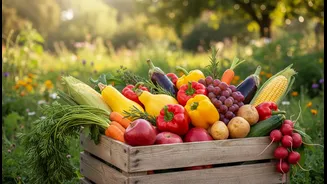
What’s driving this movement? It’s a deeper psychological need for connection in an increasingly disconnected world. Travellers are seeking experiences that feel real and meaningful. Eating food grown in the soil of the place you're visiting or prepared using generations-old techniques offers a powerful link to the local culture, history, and environment. It’s a sensory journey that engages more than just the taste buds; it creates lasting memories. This desire for authenticity is also a reaction against globalisation. As the world becomes more uniform, unique, place-based experiences like shelling peas from a pod on the farm where they grew have become the new definition of luxury.
The Rise of Agritourism in India
This trend is beautifully expressed in the global rise of agritourism, and India is no exception. The country's diverse agricultural landscape makes it an ideal destination for travellers wanting to get their hands dirty. You can find farm stays in the Himalayan foothills of Uttarakhand, where menus are crafted from traditional ingredients like bhangjeera, or explore spice plantations in Kerala and learn to cook with freshly harvested ingredients. In states like Maharashtra, a robust agritourism network allows visitors to experience rural life firsthand, from milking cows to participating in harvests. These experiences are not just about observing; they are about participating, learning, and forming a bond with the people who produce our food.
Sustainability on Your Plate
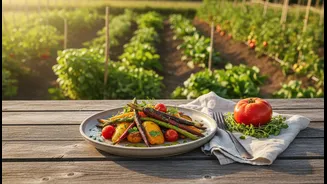
The farm-to-table philosophy is also deeply intertwined with sustainability. As travellers become more conscious of their environmental impact, they are actively seeking out food with a smaller carbon footprint. Choosing a restaurant that sources from its own garden or from nearby farms dramatically reduces 'food miles'—the distance an ingredient travels from where it's grown to your plate. This practice not only ensures fresher, more flavourful food but also directly supports local economies, funnelling money to small farmers and producers rather than large, distant corporations. By choosing to eat locally, travellers become active participants in creating a more sustainable and equitable tourism model.
How to Find These Experiences
Finding these authentic culinary adventures is easier than you might think. Start by looking for accommodations that highlight their local sourcing, such as hotels with kitchen gardens or farm stays. When dining out, ask locals for their recommendations on where they eat—a tip from a shopkeeper can be more valuable than any online review. Consider starting your trip with a curated food tour, which can provide an excellent orientation to the local food scene and introduce you to hidden gems. Cooking classes with local chefs are another fantastic way to get a hands-on understanding of a region's culinary traditions. Ultimately, it's about being curious, asking questions, and approaching your meals as an integral part of your travel adventure.