

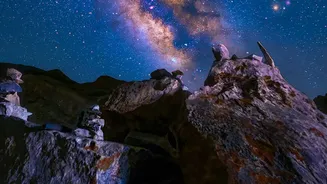
Hanle, Ladakh: India's First Dark Sky Reserve
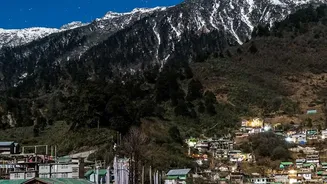
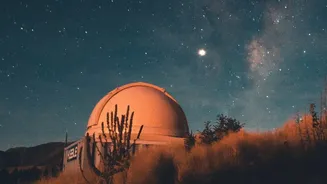
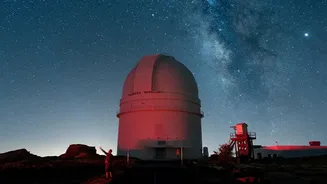
Topping any list of Indian stargazing sites is Hanle, a remote village in Ladakh's Changthang Wildlife Sanctuary. Officially designated as India's first Dark Sky Reserve, the area is protected from light pollution to preserve its pristine skies for astronomical
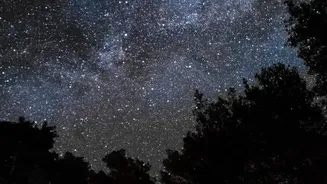
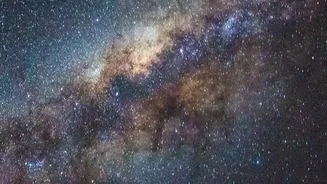
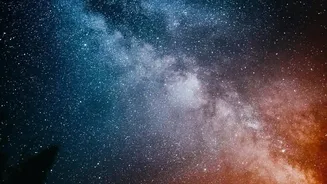
research and tourism. Situated at an altitude of over 4,500 metres, the air here is thin, dry, and incredibly clear, offering what many consider the best stargazing in Asia. On a moonless night, the Milky Way stretches from horizon to horizon with such brilliance that its dust lanes are visible to the naked eye. The reserve is home to the Indian Astronomical Observatory, one of the world's highest, a testament to the area's superior sky quality. Local villagers, trained as 'Astronomy Ambassadors', guide visitors, sharing views through telescopes and knowledge about the cosmos, making it a unique astro-tourism hub.
Spiti Valley, Himachal Pradesh: A High-Altitude Desert
Spiti Valley is a cold desert high in the Himalayas, renowned for its otherworldly landscapes and equally stunning night skies. Its high altitude, often exceeding 12,000 feet, and its position in a rain shadow created by the mountains result in near-zero humidity and exceptionally clear conditions. Villages like Langza, Kibber, and Komic are astrophotography hotspots, offering Bortle Class 1-2 darkness—the highest rating on the scale. From here, the Milky Way is not just a faint band but a textured river of light, sometimes bright enough to cast a faint shadow. The best viewing season is from May to October, when the galactic core is visible and the weather is manageable, though you should always be prepared for cold nights.
Rann of Kutch, Gujarat: A Surreal Salt Desert
For a completely different stargazing experience, head to the Great Rann of Kutch. This vast, flat expanse of white salt desert offers an unobstructed, 180-degree view of the sky. Far from major cities, the Rann has minimal light pollution, making it one of India's darkest accessible locations. During the winter months, especially from November to February, the dry air provides crystal-clear viewing conditions. Lying on the cool salt flats under a moonless sky is a surreal experience, with the Milky Way arching over the endless white landscape. This period also coincides with the Rann Utsav, allowing visitors to combine a cultural festival by day with cosmic exploration by night.
Coorg, Karnataka: The Southern Skies
You don't need to travel to the high Himalayas for a dark sky. Nestled in the Western Ghats, Coorg has emerged as a prime stargazing destination in South India. Its high elevation, clean air, and distance from major urban centres like Bengaluru create excellent conditions for viewing the stars. Areas in southern Coorg have been noted for Bortle Class 2-3 skies, dark enough to reveal the Milky Way and even the Andromeda Galaxy with clarity. Unlike the barren landscapes of Ladakh or Spiti, here you can gaze up at the cosmos from lush coffee plantations and forested hills, offering a unique blend of terrestrial nature and celestial beauty. Several local observatories and camps offer guided sessions, making it accessible for beginners and seasoned astronomers alike.
Kausani, Uttarakhand: The Himalayan Balcony
Often called the 'Switzerland of India', Kausani is a hill station in Uttarakhand that offers panoramic views of Himalayan peaks like Nanda Devi and Trishul. But its clear, dark skies are just as spectacular. Situated at an altitude of around 1,890 metres, Kausani is far from significant light pollution, providing a crisp window into the universe. The town is home to private observatories where visitors can use powerful telescopes to get close-up views of planets, nebulae, and distant galaxies under expert guidance. The winter months, from October to March, are considered the best time for stargazing when the skies are free of monsoon clouds.
Planning Your Celestial Adventure
To make the most of your stargazing trip, timing is crucial. The best time to view the bright core of the Milky Way in India is generally from April to September. Always plan your visit around a New Moon, as the brightness of a full moon can wash out the fainter stars and the galactic glow. Check the weather forecast for clear skies and remember that high-altitude locations like Ladakh and Spiti require a few days for acclimatization to avoid altitude sickness. Pack warm clothing, as temperatures drop significantly after sunset, even in summer. With a little planning, you can witness one of nature’s most awe-inspiring sights.