




The Unsung Hero: Millet
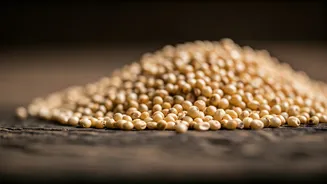
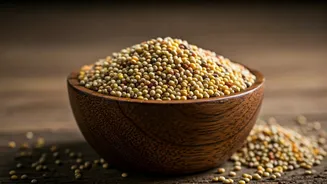
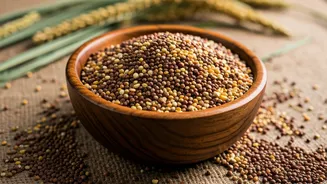
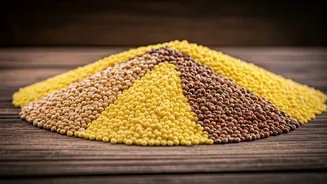
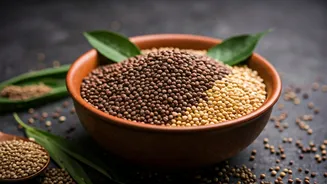
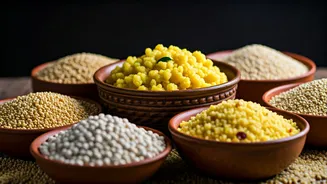
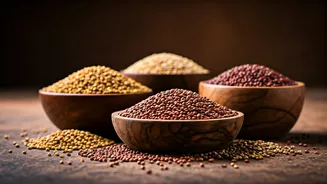
The grain in question is millet, a tiny, round seed that has been a staple in Indian diets for centuries. Though it may look like birdseed, this gluten-free grain is packed with nutrients. It's a fantastic source of protein, fibre, and essential minerals
like magnesium and phosphorus. Its high fibre content aids digestion and promotes a feeling of fullness, helping to prevent mid-morning snacking. With a low glycemic index, millet helps keep blood sugar levels stable, providing sustained energy to power you through your day. Its mild, nutty flavour makes it an incredibly adaptable base for a huge variety of breakfast dishes.
The Classic Creamy Porridge
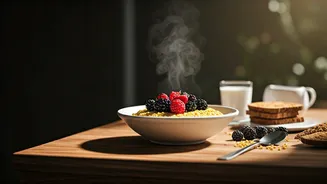
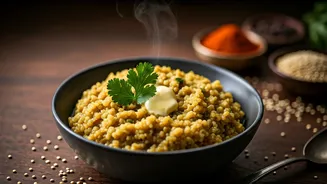
The most straightforward way to enjoy millet is as a warm, creamy porridge. It's a comforting alternative to oatmeal. Simply simmer one part rinsed millet with about three to four parts liquid (a mix of water and milk works well) until the grains are tender and the mixture is thick, which usually takes 20-25 minutes. From there, the possibilities are endless. For a sweet start, stir in cinnamon, cardamom, or vanilla, and top with fresh fruit, nuts, and a drizzle of honey or maple syrup. You can even make a large batch ahead of time and reheat portions for quick weekday breakfasts.
The Surprising Savoury Bowl
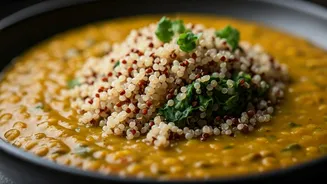
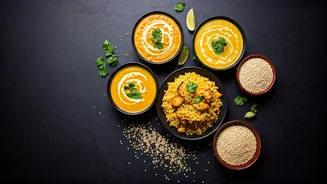
If you prefer a savoury start to your day, millet is more than up to the task. Transform cooked millet into a hearty upma by tempering mustard seeds, curry leaves, and adding sautéed onions and vegetables. Another popular option is a millet pongal, where the grain is cooked with moong dal and seasoned with black pepper and cumin. For a quicker savoury porridge, simply cook the millet in vegetable broth instead of water. You can stir in cheese, herbs, or top it with a fried egg and sautéed vegetables for a complete and satisfying meal.
Fluffy Pancakes and Dosas
Millet flour opens up another world of breakfast options, including fluffy pancakes and crisp dosas. As a naturally gluten-free flour, it's a great choice for those with dietary sensitivities. You can find many simple recipes that combine millet flour with ingredients like baking powder, milk (or a plant-based alternative), and a binder like egg or mashed banana to create a smooth batter. Cook them on a griddle just as you would any other pancake, and serve with your favourite toppings. For a traditional Indian twist, use fermented millet batter to create nutritious dosas.
On-the-Go Breakfast Bars
For busy mornings, millet can be baked into convenient and healthy breakfast bars. Most recipes involve combining cooked millet with rolled oats, nuts, seeds, and dried fruit. A natural sweetener like honey, maple syrup, or mashed dates helps bind the ingredients together. Simply press the mixture into a baking pan, bake until firm, and cut into bars. These portable snacks are packed with fibre and protein, making them a much healthier alternative to store-bought granola bars.
The Effortless Puffed Cereal
For the ultimate quick breakfast, look no further than puffed millet. This light, airy cereal requires no cooking at all. Unlike many commercial cereals, puffed millet typically has no added sugar or salt, making it a clean and simple option. Enjoy it in a bowl with milk and fresh fruit, sprinkle it over yogurt for a bit of crunch, or mix it into homemade granola and trail mixes for added texture and nutrients. It delivers a surprising amount of plant-based protein in a very simple form.