






The Pride of the Blue Mountains
While Darjeeling and Assam teas often take the spotlight, Nilgiri tea, grown in the misty, high-altitude Western Ghats, is a hidden gem with a unique character. Known for being fragrant, brisk, and exceptionally smooth, it has a balanced flavour that
sets it apart. Unlike the bold, malty notes of Assam or the complex muscatel of Darjeeling, Nilgiri tea is less bitter and has naturally sweet, floral, and citrusy undertones. Harvested year-round, it offers a consistent freshness that makes it incredibly versatile. This well-rounded profile means it’s delightful on its own but also serves as the perfect canvas for creative blends, especially when served cold.
The Gentle Magic of Cold Brewing
Cold brewing is more than just a trend; it's a different way of extracting flavour. Instead of using hot water, tea leaves are steeped in cold water for an extended period, typically between 8 to 12 hours in the refrigerator. This patient process fundamentally changes the tea's chemistry. Hot water extracts tannins and caffeine more aggressively, which can lead to bitterness and astringency. Cold water, however, gently coaxes out the tea's delicate aromatic compounds while leaving many of the bitter tannins behind. The result is a beverage that is remarkably smooth, naturally sweeter, and lighter on the palate. Furthermore, cold-brewed tea often contains less caffeine than its hot-brewed counterpart and may preserve a higher concentration of certain antioxidants.
A Healthier Sip Without the Sugar
One of the biggest shifts in the Indian beverage market is the growing demand for low-sugar and no-sugar options. Consumers are increasingly moving away from artificially sweetened drinks and looking for natural, healthier alternatives. This is where fruit-infused cold brew shines. Because cold-brewed Nilgiri tea is naturally smooth and sweet, it requires little to no added sugar. By infusing it with real fruits, you get vibrant flavour and a touch of natural sweetness without relying on processed sugars or artificial sweeteners. This approach aligns perfectly with the modern desire for clean-label products and beverages that offer functional benefits beyond simple refreshment.
Crafting Your Perfect Flavour Pairings
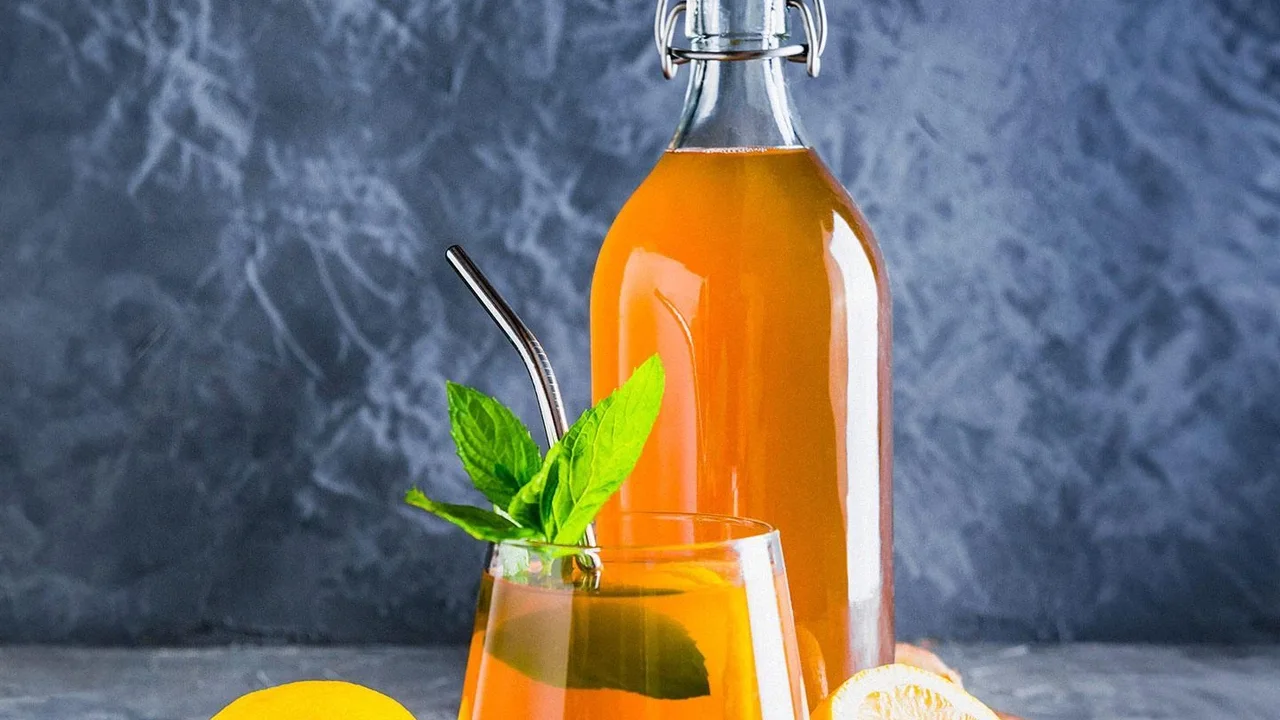
Nilgiri tea’s clean, brisk profile makes it an ideal partner for a wide variety of fruits. Its natural citrus notes are beautifully enhanced by slices of lemon, sweet lime, or orange. For a tropical twist, try adding chunks of pineapple or ripe mango. The tea's floral aroma also pairs wonderfully with berries like strawberries or raspberries, and even with stone fruits such as peaches and plums. For an extra layer of aroma, consider adding fresh herbs. A few sprigs of mint or basil can elevate the drink, adding a cooling sensation and a complex fragrance that complements both the tea and the fruit. The key is to balance flavours—let the tea be the foundation while the fruits and herbs add character.
A Simple Guide to Home Brewing
Making your own cold-brewed Nilgiri tea blend is surprisingly simple. You'll need a large glass jar or pitcher, loose-leaf Nilgiri tea, your choice of fresh fruit, and cold, filtered water. Start with a ratio of about 1 to 1.5 teaspoons of tea for every cup of water. Add your tea and prepared fruit—like sliced strawberries or cucumber wheels—to the jar. Fill the container with cold water, seal it, and place it in the refrigerator. Let it steep for at least 8 to 12 hours, or overnight. In the morning, simply strain out the tea leaves and fruit pieces. Your refreshing, custom-made beverage is ready to be poured over ice and enjoyed. Since it doesn’t cloud when chilled, your brew will look as good as it tastes.