





The Monsoon Scalp Struggle Is Real
As soon as the humidity spikes, the familiar hair troubles begin. The constant dampness in the air, combined with increased sweat, creates the perfect breeding ground for fungal and bacterial activity on your scalp. This leads to a cascade of issues.
Your scalp might feel perpetually oily or, conversely, extremely itchy and flaky as dandruff-causing microbes thrive. This scalp imbalance weakens the hair follicles, contributing to the dreaded monsoon hair fall that seems to clog every drain. For years, we’ve tried to tame the frizz in our strands with serums and fight the grease with dry shampoos, but these are often temporary fixes for a problem that starts much deeper.
The ‘Skinification’ of Hair Care
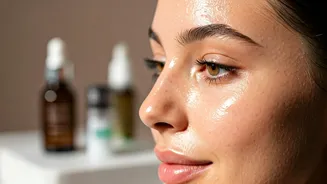
The new wisdom in beauty is simple: treat your scalp with the same care and attention you give your face. This trend, dubbed the ‘skinification’ of hair, is finally getting its moment in the spotlight. Think about it—your scalp is skin, after all. It has pores, produces oil, and sheds dead cells. It makes perfect sense that the ingredients and routines we use for a clear, healthy complexion can be adapted for our scalp. Brands are responding in a big way, moving beyond the standard shampoo-and-conditioner duo. The Indian market is now flooded with scalp scrubs, clarifying serums, hydrating tonics, and detoxifying masks, proving that consumers are ready to upgrade their routine from a two-step process to a complete, targeted regimen.
Building Your Monsoon Scalp Routine
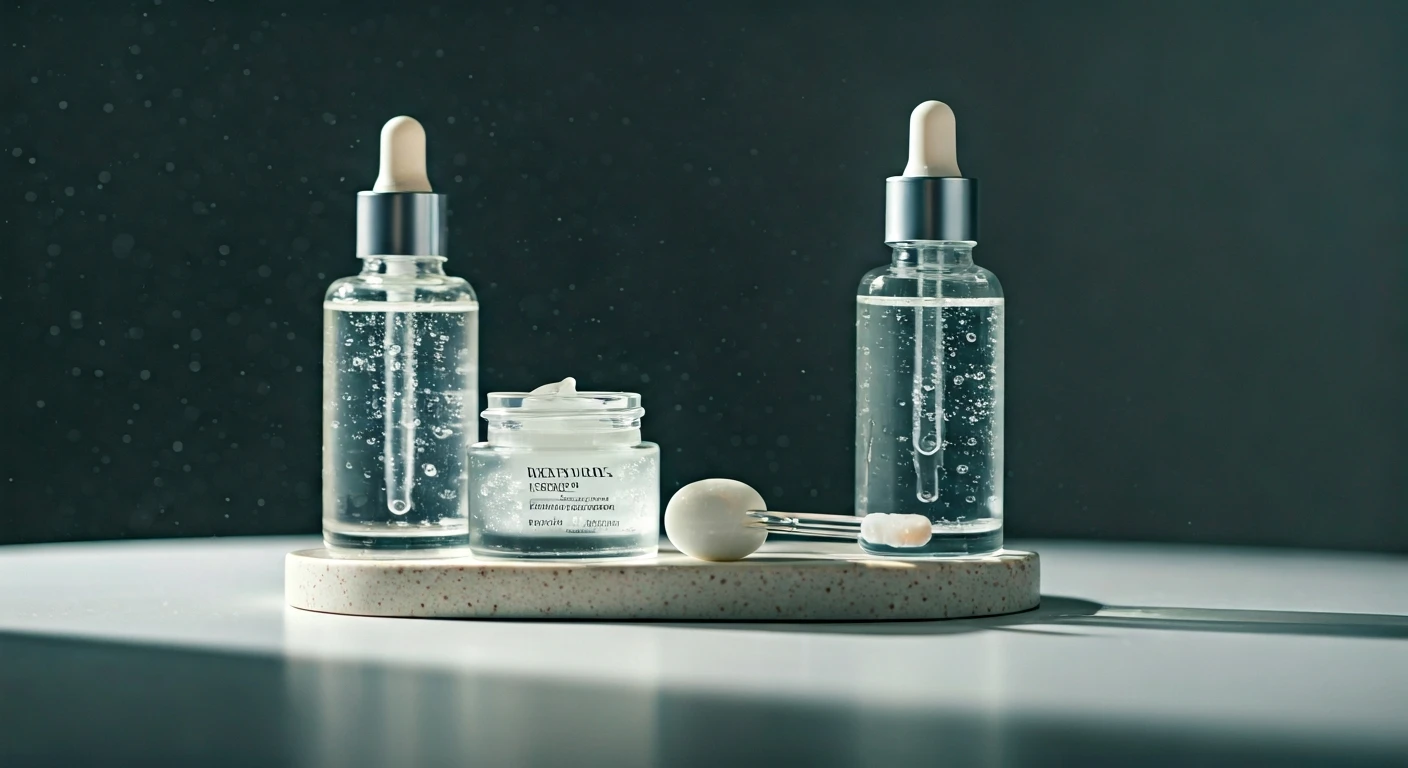
So, how do you put this into practice? It’s about adding a few key steps to your wash day. Start with exfoliation. Once a week, use a scalp scrub (with physical exfoliants like sugar or salt) or a chemical exfoliating treatment (with AHAs/BHAs like salicylic or glycolic acid) before shampooing. This will slough away dead skin, product buildup, and excess oil, allowing your scalp to breathe. Next, choose your cleanser wisely. During the monsoon, you may need to switch to a clarifying or anti-dandruff shampoo containing ingredients like tea tree oil, ketoconazole, or zinc pyrithione to keep fungal growth in check. Don't be afraid to double cleanse—using a gentle shampoo first to remove surface grime, followed by a targeted treatment shampoo. Finally, treat your scalp post-wash. This is where scalp serums and tonics come in. Look for lightweight, non-greasy formulas. Ingredients like niacinamide can help regulate oil production, hyaluronic acid provides hydration without heaviness, and ingredients like rosemary or peppermint oil can stimulate circulation and promote a healthier environment for hair growth.
Simple Habits, Big Impact
Beyond products, a few simple habit changes can make a world of difference during the monsoon. Firstly, never tie up wet or damp hair. This traps moisture against the scalp, creating a haven for microbes. Take the extra time to let your hair air-dry or use a blow dryer on a low heat setting, focusing on the roots. Secondly, avoid heavy, occlusive oils directly on the scalp. While a champi is a beloved ritual, thick oils can clog pores and worsen greasiness in a humid climate. If you must oil, opt for lighter formulas and ensure you wash it out thoroughly. Lastly, keep your hair accessories clean. Regularly wash your combs, brushes, and even pillowcases to prevent the reintroduction of bacteria and fungus to your clean scalp.