

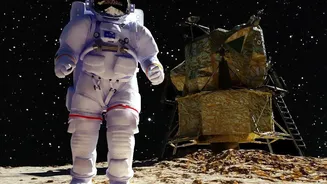


The Robotic Workforce
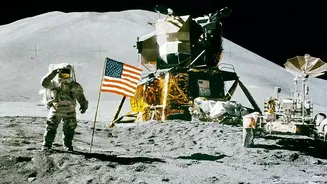
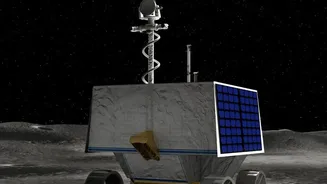
The first builders on the Moon won't be human. They will be advanced robots tasked with doing the dangerous, dirty, and dull work required to establish a foothold. The lunar environment is unforgiving, with extreme temperature swings from 127°C in sunlight
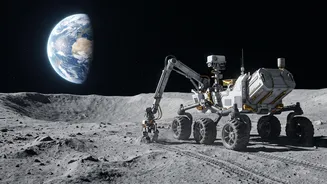
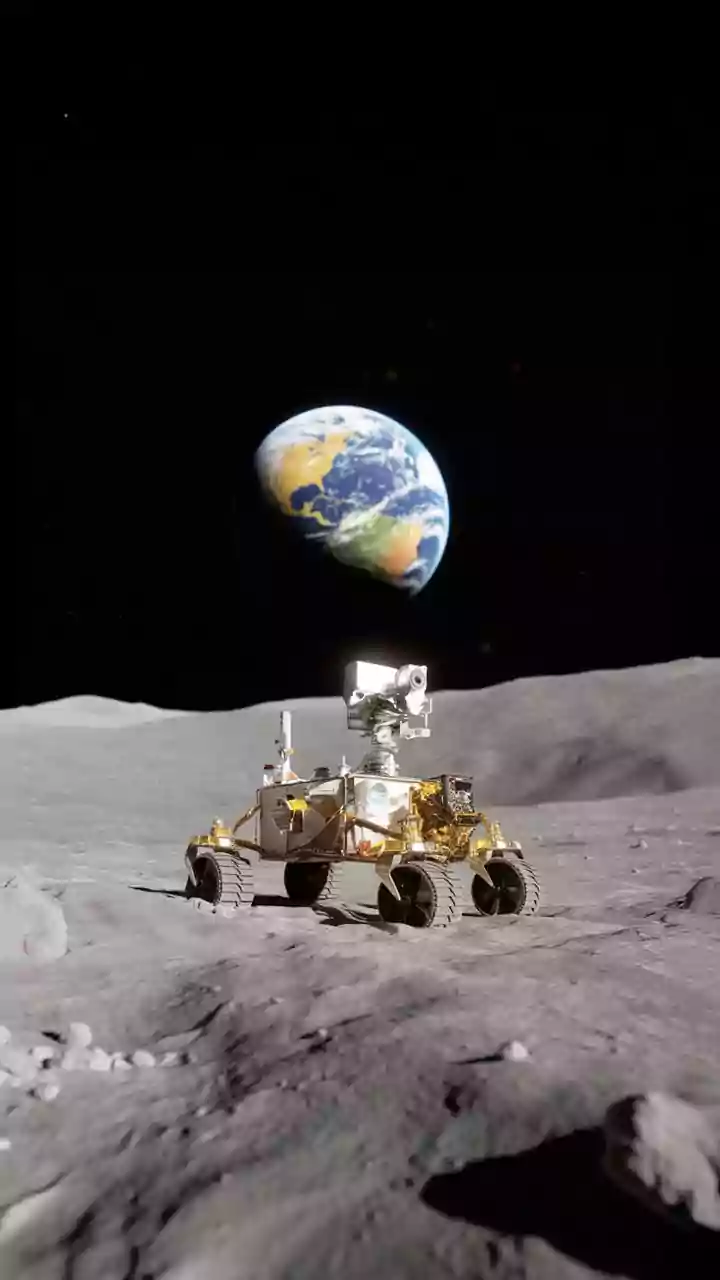
to -173°C in darkness, constant radiation, and no atmosphere to protect against micrometeorites. Sending humans to perform initial construction in such conditions is risky and inefficient. Instead, autonomous and remote-operated robots will be essential. These machines will perform tasks like site surveying, excavation, and moving materials. Companies are developing specialized robotic systems that can operate in low gravity and withstand the abrasive, statically charged lunar dust that can cripple mechanical and electrical parts. With communication delays to Earth, these robots will need a high degree of autonomy, using AI to make decisions and coordinate their efforts, effectively becoming humanity's advance construction crew.
Living Off the Land
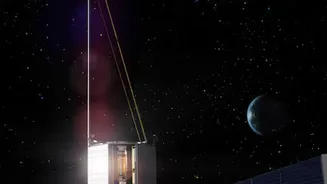
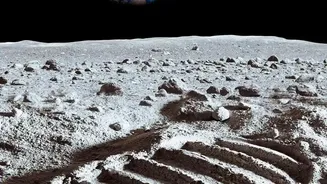
The single biggest obstacle to building on the Moon is the staggering cost of launching materials from Earth, estimated to be upwards of $1 million per kilogram. To make a lunar base sustainable, we must 'live off the land' through a practice called in-situ resource utilization (ISRU). The Moon's most abundant resource is regolith—the layer of loose dust and rock covering its surface. Scientists and engineers are developing methods to turn this material into a construction aggregate, sometimes called 'lunarcrete'. Technologies like 3D printing are at the forefront of this effort. Robotic 3D printers could use concentrated solar energy or lasers to melt and fuse regolith layer by layer, creating landing pads, radiation shields, roads, and even habitats. This not only saves on launch costs but also allows for the creation of large, thick structures needed for protection from radiation. Additionally, researchers are looking at extracting valuable resources like water ice and oxygen from the regolith, which could be used for life support and rocket propellant.
The Earth-Based Supply Chain
While using local resources is crucial, a lunar base cannot be entirely self-sufficient from the start. A steady supply of critical components from Earth will be non-negotiable. This includes high-tech equipment like computers, sensors, solar panels, batteries, and advanced life-support systems. While robots might 3D-print the basic shell of a habitat from regolith, the complex electronics and machinery inside will need to be manufactured on Earth and carefully transported. Think of it as a hybrid approach: the bulk materials are sourced locally on the Moon, but the 'brains' and delicate, high-performance components are imported. For example, some proposals involve using recycled high-performance plastics brought from Earth as a binding agent or composite material mixed with lunar regolith for 3D printing. Early missions will also depend on Earth for food, water, and specialized tools before ISRU operations can scale up to meet all the needs of a growing lunar settlement.
An Integrated Building Strategy
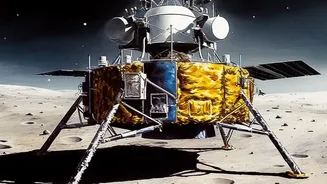
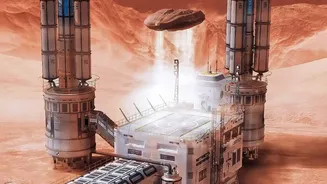
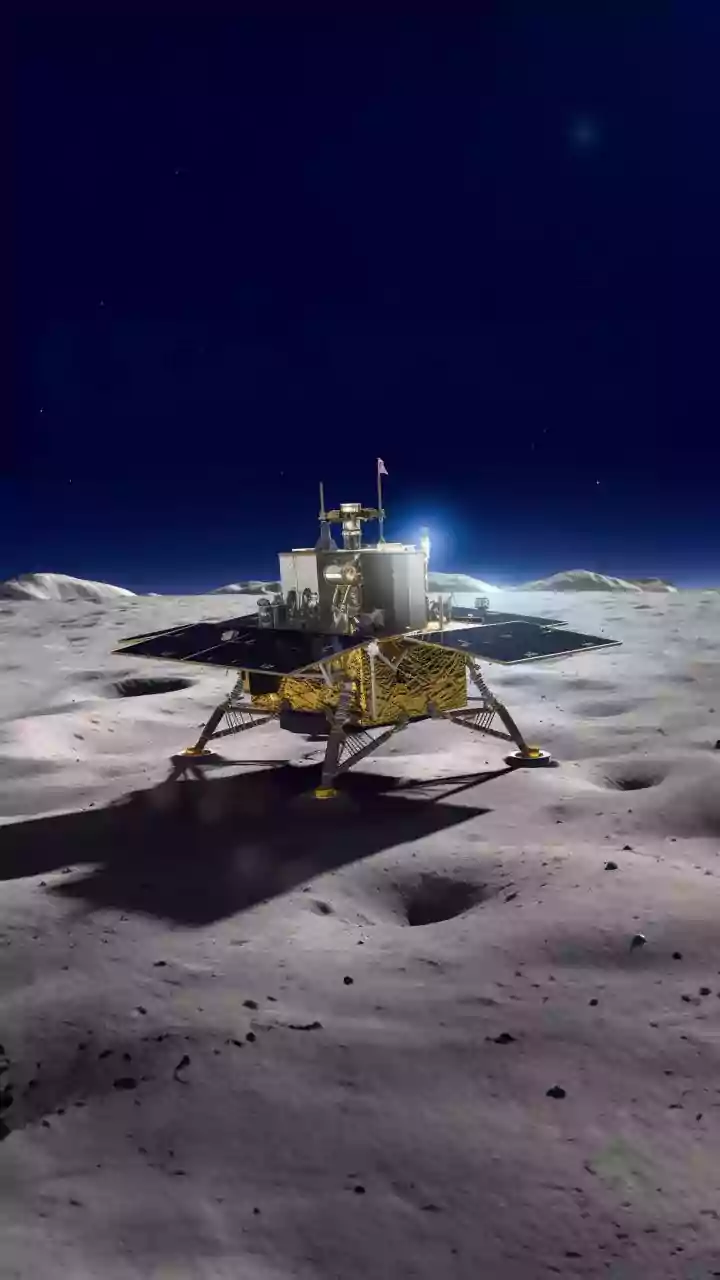
The future of lunar construction isn't a choice between robots, local materials, or Earth-based supplies; it's about how these three elements work together in a seamlessly integrated system. Autonomous rovers, powered by solar arrays shipped from Earth, will excavate lunar regolith. This regolith will then be fed into a 3D printing system, also brought from Earth, to construct a landing pad. This pad allows for safer landings of subsequent missions carrying more advanced scientific instruments and habitat modules. This synergistic approach reduces risk, dramatically lowers costs by minimizing launch mass, and allows for a more ambitious and sustainable construction plan. It’s a strategy of building block by building block, where robots use local dirt and rock, supplemented by essential tech from home, to slowly and methodically build humanity’s first permanent outpost on another world.