



The Comfort of Gunpowder
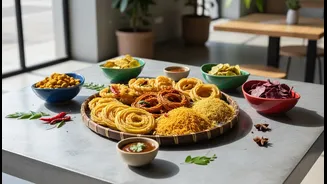
Known affectionately as 'gunpowder' for its explosive flavour, podi is a coarse spice powder with ancient roots in South India. Referenced in ancient Tamil Sangam literature, its creation was a practical solution for preserving flavours and nutrition,
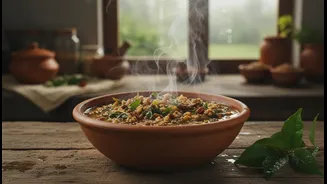
making it a reliable travel companion for centuries. At its core, podi is a masterful blend of slow-roasted lentils like chana dal and urad dal, combined with dried red chillies, sesame seeds, curry leaves, and other spices. Every family and region, from Andhra Pradesh to Karnataka, has its own treasured recipe, creating a diverse tapestry of flavours—some nutty, some fiery, some rich with garlic.
More Than Just a Sidekick
Traditionally, podi's role is well-defined and deeply cherished. It’s the quintessential partner to soft idlis, crisp dosas, and warm uthappams, typically mixed with a spoonful of ghee or gingelly oil to form a coarse, flavourful paste. A simple meal of hot rice mixed with podi and ghee is a comfort food for millions, offering a complete, satisfying flavour profile in seconds. Its purpose has always been to elevate a meal, adding texture, aroma, and a spicy kick that cuts through the simplicity of steamed or fermented grains. This classic usage model has solidified podi as an indispensable pantry staple in South Indian homes.
The Global Makeover
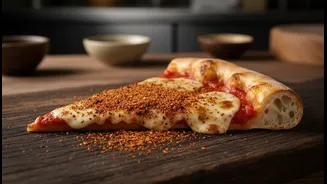
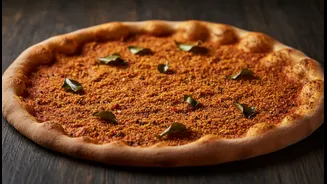
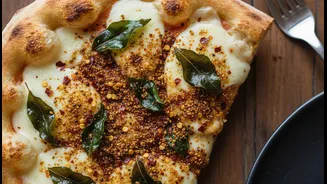
In recent years, a culinary shift has been taking place. Chefs and adventurous home cooks are looking at podi not just as a condiment but as a versatile seasoning blend. Its complex profile—nutty from the lentils, smoky from the roasting, spicy from the chillies, and umami-rich—makes it a perfect candidate for fusion cooking. This new wave of experimentation is moving podi from the side of the plate to the centre of the dish, using it as a dry rub, a finishing dust, and a core flavouring agent in dishes from entirely different culinary traditions.
From Idli to Avocado Toast
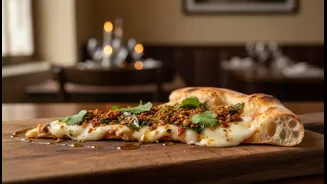
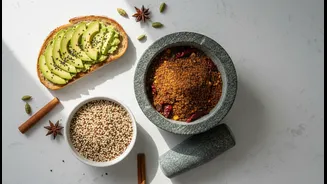
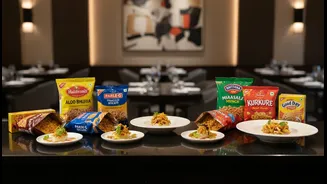
The creative applications are seemingly endless and surprisingly delicious. One of the most popular new pairings is podi avocado toast, where the spicy, crunchy powder provides a perfect counterpoint to the creamy avocado, replacing standard chilli flakes with something far more complex. Another viral trend is podi pasta, where the spice mix is bloomed in ghee or oil and tossed with spaghetti, creating a dish that marries Italian form with Indian flavour. Beyond these, podi is being sprinkled over french fries, used as a crust for roasted vegetables or paneer, mixed into mayonnaise for a spicy dip, and even used to season grilled meats. Michelin-starred chefs like Garima Arora and Hussain Shahzad have embraced it, using it to add a surprising layer of flavour to their modern creations.
Why the Fusion Works
The success of these cross-cultural experiments lies in podi's fundamental structure. The roasted lentils provide a nutty, textural crunch similar to toasted breadcrumbs or nuts like pine nuts in Italian cooking. The chillies offer a clean heat, while ingredients like curry leaves and asafoetida introduce an aromatic complexity that many Western spice blends lack. Essentially, podi functions as a complete seasoning, delivering salt, spice, texture, and umami all in one spoonful. It doesn't just sit on top of food; its flavours integrate, adding depth and character to everything it touches.