
Know Your Celestial Events
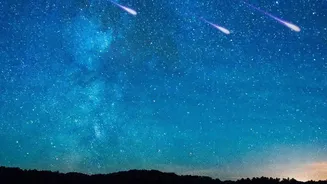
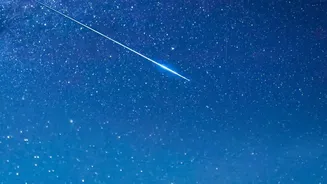
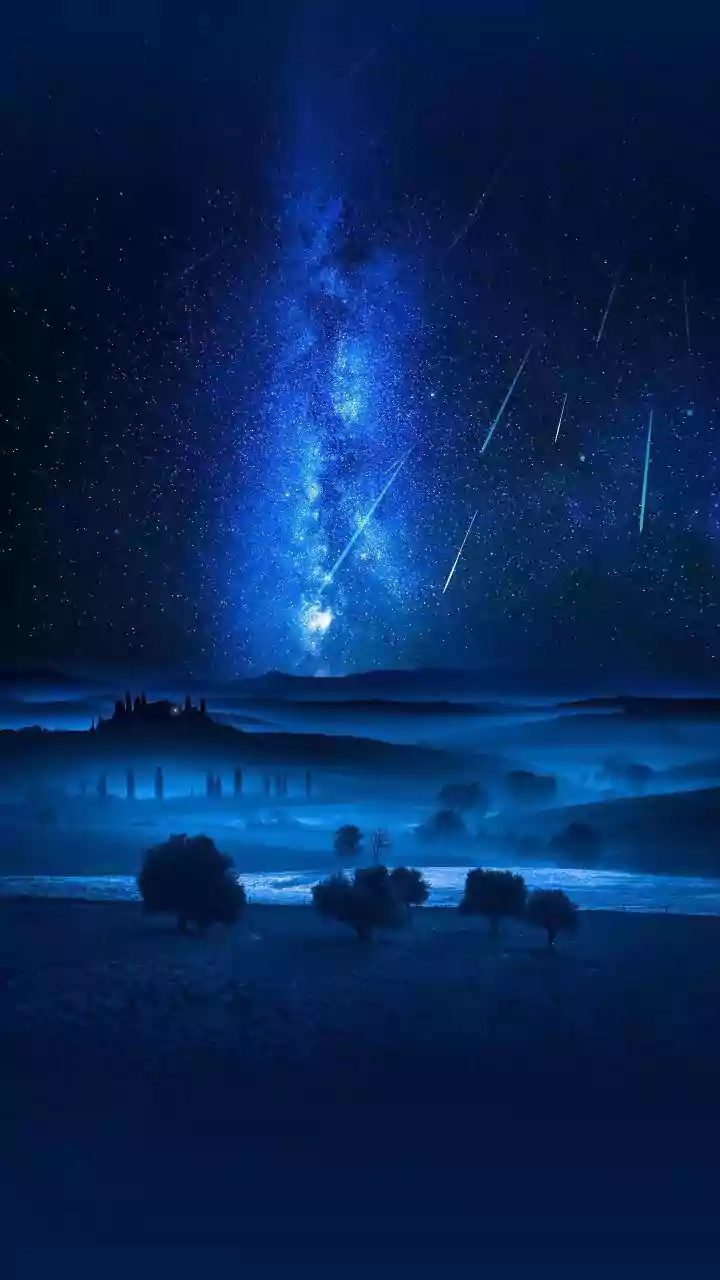
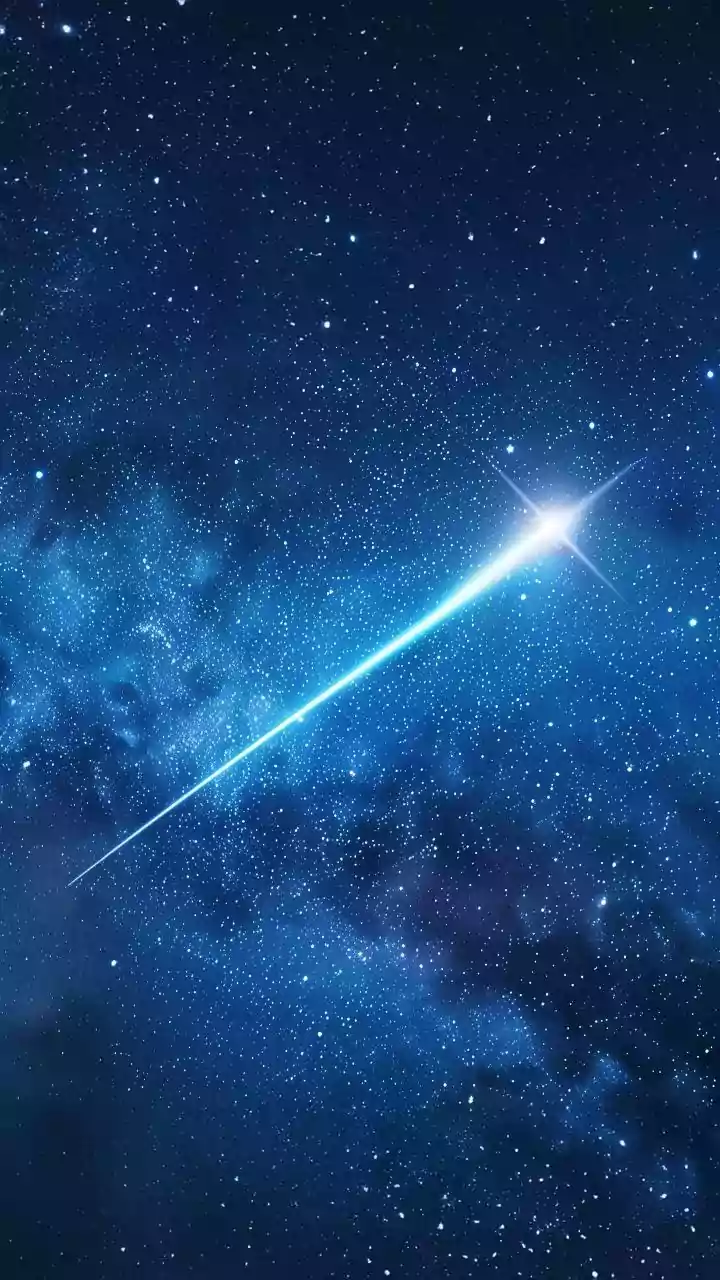
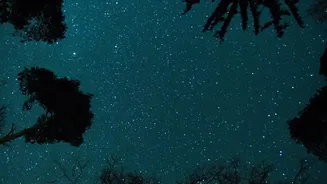
Autumn 2026 offers a fantastic lineup of meteor showers. First up are the Draconids, peaking on the evening of October 8-9. This is an unusual shower, best viewed in the early evening just after darkness falls, rather than the typical pre-dawn hours.
While it's a quieter shower with about 5-10 meteors per hour, the 2026 peak occurs with a nearly new moon, meaning moonlight won't interfere, offering excellent viewing conditions. Later in the month, the Orionids peak on the night of October 21-22. These meteors are debris from the famous Halley's Comet and are known for being bright and fast. In an urban setting, a bright waxing gibbous moon will wash out fainter meteors, but you still have a chance to spot the brightest ones in the hours before dawn, especially after the moon sets.
Forget the Telescope, Use Your Eyes
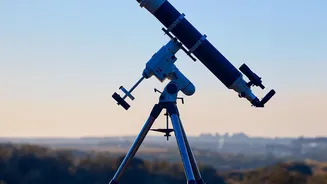
Here’s a secret: telescopes are actually terrible for watching meteor showers. Their narrow field of view means you’re likely to miss the streaks of light, which can appear anywhere in the sky. The best tool you have is your own eyes, which provide the wide-angle view needed to scan large sections of the heavens. The key is patience. Find your viewing spot and give your eyes at least 20-30 minutes to fully adapt to the darkness. This process, called dark adaptation, dramatically increases your ability to see faint objects. Avoid looking at your phone or any other bright screens, as even a quick glance can reset your night vision and send you back to square one.
Location, Location, Light Pollution
For city dwellers, the biggest challenge is light pollution—the pervasive skyglow that washes out all but the brightest stars. While you can't eliminate it completely, you can minimize its impact. Seek out the darkest spot you can safely access. This could be a large park, a sports field, a rooftop with shielded lights, or even just the side of a building that blocks the direct glare of a streetlight. The goal is to get an unobstructed view of as much of the sky as possible, away from direct sources of light. Even a small reduction in ambient light can make a big difference. Online tools like light pollution maps can help you identify relatively darker areas within or just outside your city limits if you're up for a short drive.
Use Smart Tech to Guide You
While you should avoid your phone's bright screen during viewing, it can be an invaluable tool for preparation. Stargazing apps can help you locate the meteor shower's radiant—the constellation from which the meteors appear to originate. For the Draconids, you'll look toward the constellation Draco in the northwest evening sky. For the Orionids, the radiant is in the constellation Orion, which rises in the east after midnight. Many apps have a red-light mode, which uses colours that are less disruptive to your night vision. These apps can also show you the position of the moon and a forecast for cloud cover, helping you plan the best time to head out.
Get Comfortable and Be Patient
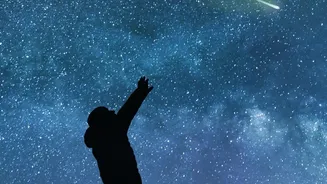
Meteor shower watching is a marathon, not a sprint. You could see several meteors in a few minutes, or you might have to wait a while. Comfort is essential to sticking it out. Bring a reclining lawn chair or a thick blanket to lie on the ground. This saves you from craning your neck and allows you to take in a wide swath of the sky comfortably. Autumn nights can get chilly, so dress in layers, bring a warm jacket, and consider a flask of a hot beverage. The more comfortable you are, the longer you'll be willing to watch, and the greater your chances of catching those breathtaking moments when a shooting star streaks across the darkness.