



In the search for authentic, sustainable decor, a beautiful trend is emerging from India. Long before 'upcycling' was a buzzword, artisans were turning old fabrics into new treasures, weaving stories and heritage into every thread.
A Stitch in Time
Across India, a quiet
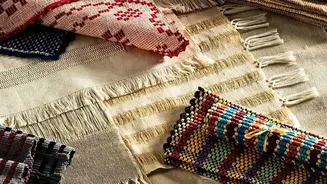
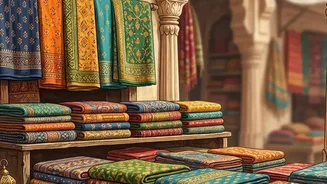
revolution in home decor is taking place, one that beautifully marries the past with the present. It’s a movement rooted in age-old practices of resourcefulness, where nothing is wasted and every object has a story. Indian upcycled textiles are not merely about recycling; they are about transformation. This is the art of taking worn-out fabrics—a grandmother’s soft cotton sari, a father's old dhoti—and giving them a second, more beautiful life. This philosophy of circular design, deeply embedded in Indian culture, is now finding its way into modern urban homes, offering a soulful alternative to mass-produced goods. These textiles are more than just decorative items; they are heirlooms, carrying layers of memory, tradition, and artistry.
Kantha: The Running Stitch of Bengal
Perhaps the most famous of these traditions is Kantha, originating from Bengal. The word itself refers to both the simple running stitch and the finished product. Traditionally, women would layer old, soft saris—sometimes as many as five to seven—and stitch them together to create light quilts (lep), swaddles for newborns, or covers. This was a domestic art, often done in the quiet moments of the day, with each stitch embedding a piece of the maker's life into the fabric. Today, designers and artisan collectives have embraced Kantha, transforming the technique into stunning cushion covers, bedspreads, wall hangings, and even upholstery that bring narrative and texture into a room.
Godhri: The Patchwork Heart of Maharashtra
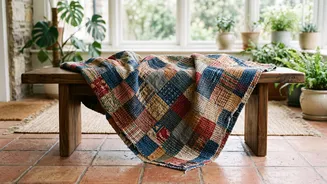
In Maharashtra and parts of Gujarat, a similar tradition exists in the form of Godhri (also called Godhadi). Born from necessity, these quilts are made from everyday worn pieces of clothing, patched and layered to provide warmth and durability. Unlike the often intricate motifs of Kantha, traditional Godhris are simpler, their beauty lying in the intuitive arrangement of colours and textures from old shirts, trousers, and saris. Crafting a Godhri is often a communal activity, where women gather to sew, share stories, and sing songs, weaving the community's spirit into the blanket itself. A smaller Godhri made from a mother's old sari is traditionally used to wrap a newborn, providing the child with a sense of security and the mother's familiar scent. Modern Godhris bring this authentic, rustic charm to homes as throws, rugs, and unique textile art.
Appliqué and Patchwork: A Mosaic of Memories
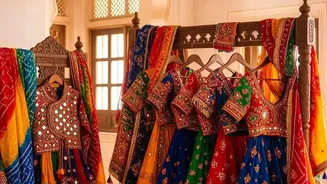
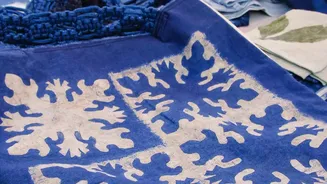
The art of patchwork and appliqué is another vibrant example of Indian textile upcycling, particularly famous in Gujarat, Rajasthan, and Odisha. Appliqué, like the Pipli craft of Odisha, involves layering and stitching cut-out pieces of fabric onto a base to create intricate designs. Historically used for temple adornments and chariot coverings for the Rath Yatra, this technique is now adapted for lampshades, wall art, and cushion covers. Similarly, patchwork, known as Khatwa in Bihar, joins small scraps of different fabrics to form a new whole. These techniques transform what would be waste into a colourful mosaic, creating one-of-a-kind pieces that are both visually striking and rich in cultural heritage.
A Modern Renaissance
Today, a new wave of Indian designers and conscious brands are championing these ancient crafts. They partner with artisan communities, ensuring fair wages and preserving skills that might otherwise be lost. Brands like Doodlage, Péro, and HARAGO are making upcycling central to their philosophy, turning textile waste into contemporary fashion and home decor. By purchasing these items, consumers not only acquire a unique piece of art but also support a sustainable ecosystem that honours both the planet and the artisan. It’s a way of decorating that tells a deeper story—of resourcefulness, community, and the enduring beauty of Indian craftsmanship.