






The Open Door: Simplified Visa Policies
For Indian passport holders, the biggest historical hurdle to long-term travel has often been complex and restrictive visa processes. Southeast Asian nations have changed the game. Several countries now offer simplified and appealing options for Indians.
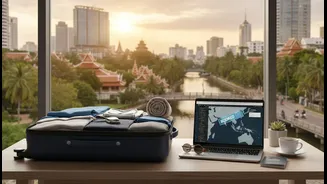
For instance, Vietnam provides a 90-day e-visa for tourists, which is a straightforward online process. Similarly, Malaysia is actively attracting remote professionals with its 'DE Rantau Nomad Pass,' a digital nomad visa valid for up to 12 months and renewable. Even Thailand, after some policy shifts, has a new 'Destination Thailand Visa' (DTV) aimed at remote workers, allowing for long stays, although it has specific financial requirements. There was even a recent reintroduction of a 30-day visa-free entry for Indians to Thailand, making short-term explorations easier. These policies remove significant bureaucratic friction, making an extended stay or a 'workcation' far more accessible than ever before.
The Financial Equation: Cost and Quality of Life
While Delhi-NCR offers affordability on a global scale, the cost of living in desirable neighbourhoods with good amenities can be steep. Freelancers are discovering their Indian-earned income stretches much further in many parts of Southeast Asia. Though some reports from mid-2026 suggest that a city like Bangkok can be more expensive than Delhi in certain consumer categories, the overall value proposition remains strong. The key difference often lies in the quality of life that budget affords. For a monthly budget that might secure a modest apartment in Gurgaon or Noida, a freelancer could find a modern condominium with a pool and gym in cities like Kuala Lumpur or Bangkok. This ability to upgrade one's living standards without a proportional increase in expenditure is a massive draw. It transforms the conversation from merely surviving the urban hustle to thriving in a more relaxed, amenity-rich environment.
A Breath of Fresh Air: The Lifestyle Upgrade
The 'push' factors from Delhi-NCR are as compelling as the 'pull' from Southeast Asia. Persistent air pollution is a major concern for residents. Delhi consistently ranks among the most polluted cities globally, with hazardous air quality being a regular occurrence. While cities like Bangkok also face air quality challenges, the overall environmental conditions and access to nature are often perceived as a significant step up. Beyond cleaner air, the appeal includes a more relaxed pace of life, proximity to world-famous beaches and lush landscapes, and vibrant, well-established communities of expats and fellow digital nomads. This existing social infrastructure means freelancers can quickly find a network, share resources, and feel at home, mitigating the isolation that can sometimes come with moving to a new country.
Plug and Play: Robust Remote Work Infrastructure
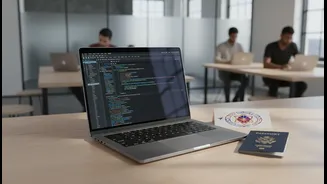
A freelancer's career is built on connectivity. The fear of unreliable internet or a lack of professional workspaces can be a major deterrent to moving abroad. However, major hubs in Southeast Asia have invested heavily in creating an environment where remote work can flourish. Cities like Bangkok, Kuala Lumpur, and Ho Chi Minh City boast high-speed internet, a plethora of comfortable co-working spaces, and a cafe culture that is welcoming to laptop-wielding professionals. Malaysia, in particular, has been noted for its excellent infrastructure and reliability, making it a top choice for those whose work is demanding. This robust digital infrastructure ensures that freelancers can maintain their productivity and client commitments seamlessly, making the transition from a desk in Delhi to one in Da Nang or Bali not just a dream, but a practical and sustainable career move.