




The End of the Passport Sticker
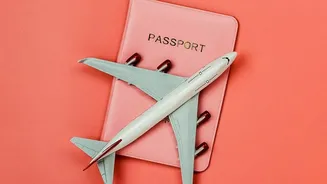
As of February 2026, the familiar visa sticker, or 'vignette', placed in passports is a thing of the past for Indian travellers heading to the UK. All physical immigration documents, including Biometric Residence Permits (BRPs), are being replaced by
a digital-only system. Your permission to enter and stay in the UK is now recorded as an 'eVisa'—a secure electronic record linked to your passport number. This shift was made to streamline border control and enhance security. It means that when you check in for a flight or arrive at a UK border, airlines and immigration officials will verify your status electronically. It is crucial to understand that this change does not alter the requirement for Indian nationals to obtain a visa before travelling; it only changes how that visa is issued and presented.
Understanding Your UKVI Account
The heart of the new system is the UK Visas and Immigration (UKVI) account. Think of it as your personal online portal for all things related to your UK immigration status. When your visa is granted, the eVisa is created and linked to this account. Through your UKVI account, you can view the details of your visa, including the type, validity dates (start and end), and any specific conditions, such as your right to work or study. This account is not optional; it is the only way to access and manage your digital immigration status. All travellers who are granted a UK visa will need to create and use a UKVI account to prove their rights and permissions within the UK.
Creating and Accessing Your Account
You will typically create your UKVI account during the visa application process. To do so, you will need a valid email address, phone number, and details from your identity document, such as your passport. Some applicants may use the 'UK Immigration: ID Check' app to help create their account. Once set up, you can log in to the 'View and Prove' service on the official GOV.UK website. Each time you log in, you will usually need to enter a security code sent to your registered phone or email, adding a layer of protection. It is vital to remember the credentials you used to create the account for future access.
How It Changes Your Travel Day
On the day of travel, you will no longer need to show a physical visa sticker. Instead, the airline will verify your permission to travel digitally when you check in. Your eVisa is linked directly to the passport you used in your application. At the UK border, the process is similar. When you present your passport at an eGate or to a Border Force officer, their system will automatically check your digital status. While the system is designed to be seamless, it is wise to carry offline proof of your status, just in case of technical issues. You can generate a 'share code' from your UKVI account, which is valid for 90 days and can be printed or saved on your phone.
Keeping Your Details Up to Date
Your UKVI account is a living record, and you are responsible for keeping it accurate. This is the most critical new responsibility for travellers. If you get a new passport, you must update your UKVI account with the new passport details before you travel. Failure to do so could cause major problems, as your eVisa is linked to a specific passport number. If the passport you are travelling on is not linked to your eVisa, the system will not find your immigration status, and you could be denied boarding by the airline. You must also update other personal details, such as your phone number or email address, if they change.
Clearing Up Confusion: ETA vs eVisa
There has been some confusion between the new eVisa and the UK's Electronic Travel Authorisation (ETA) scheme. It is important for Indian citizens to know the difference. The ETA is for nationals of countries who do not need a visa for short visits to the UK (like citizens of the US, Canada, and EU countries). Indian passport holders are not eligible for the ETA scheme. You must still apply for a standard UK visa (for tourism, work, study, etc.) as before. The change is that once granted, this visa will be an eVisa, not a sticker. An Indian national with a valid UK visa has an eVisa and does not need an ETA.