





The Comfort of the Monsoon
There's a certain magic to a rainy evening in India. The air, heavy with the scent of petrichor, carries with it a gentle, melancholic mood. As the rhythmic drumming of rain lulls the world outside into a hush, we instinctively turn inward, seeking solace
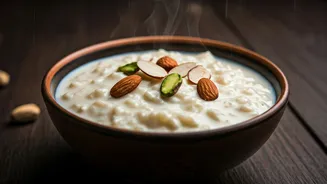
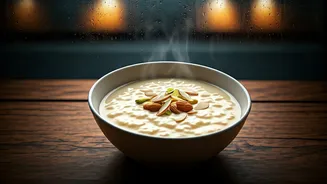
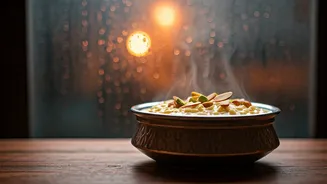
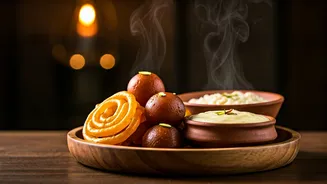
and warmth. This is the time for comfort in all its forms, and for many, that comfort comes in a bowl. In Punjab, for instance, kheer is a traditional monsoon delicacy, made to welcome the rains and celebrate the hope of a bountiful harvest. [15] This connection between the weather and our food is more than just a habit; it’s a cultural ritual that turns a gloomy evening into a cozy, cherished experience. [22]
A Tradition Steeped in Sweetness
Kheer, in its various forms like payasam or payesh, is more than just a dessert; it’s a symbol of joy, prosperity, and togetherness woven into the fabric of Indian life. [5, 10] Its history is ancient, with some believing it originated in the Lord Jagannath Temple in Odisha around 2,000 years ago as a sacred offering. [5, 26] The name itself is believed to derive from the Sanskrit word 'Kshirika', meaning food cooked with milk. [5] Mentioned in epics like the Mahabharata and Ramayana, kheer has long been served at festivals, weddings, and celebrations, marking auspicious beginnings and moments of happiness. [10, 12] Made with sattvic ingredients like milk and rice, it is considered a pure offering to the gods, believed to attract peace and prosperity. [13] This deep-rooted cultural significance is what gives every spoonful a taste of heritage. [5, 9]
The Simple Magic of Making Kheer
The true beauty of kheer lies in its simplicity. [2] The process is a slow, meditative dance of a few humble ingredients: rice, full-fat milk, and sugar. [2, 18] To start, basmati rice is often rinsed and sometimes soaked. [6] Then comes the patient simmering. The milk is brought to a boil in a heavy-bottomed pan—a little ghee brushed on the bottom can prevent sticking—and the rice is added. [4] As the mixture cooks on a low flame, the magic happens. The milk reduces and thickens, and the rice softens, releasing its starch to create that signature creamy consistency. [2, 8] Constant, gentle stirring is key, not just to prevent burning but as part of the ritual itself. [6] Towards the end, sugar is added, along with fragrant cardamom powder, and perhaps a few strands of saffron infused in warm milk for colour and aroma. [2] Finally, a scattering of nuts like almonds and pistachios adds a welcome crunch. [2, 11] The process is as comforting as the final dish.
The Science of a Sweet Embrace
Why does a warm, sweet bowl of kheer feel like a hug? The answer lies in the psychology of comfort food. [20] Foods high in carbohydrates and sugar, like kheer, can trigger the release of neurotransmitters like serotonin and dopamine in our brain. [20, 21] These are the 'feel-good' chemicals that contribute to feelings of happiness, calm, and pleasure. [20] This is particularly true when we're feeling stressed or down, as on a dreary, rainy day. [14] Furthermore, comfort foods are deeply tied to nostalgia and positive memories from childhood and family gatherings. [17, 20] The familiar taste and smell of a beloved dish can provide a powerful sense of emotional security and belonging, making kheer not just a dessert, but a soothing balm for the soul. [17, 20]
A Kheer for Every Palate
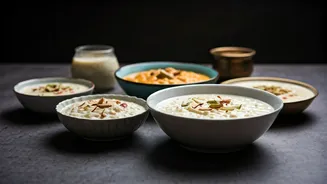
While rice kheer is the classic, the versatility of this dessert is part of its enduring appeal. [24] Across India, countless variations exist, each tailored to regional ingredients and tastes. There's Sabudana Kheer, with its delightful chewy tapioca pearls, and Seviyan Kheer, made with fine roasted vermicelli, especially popular during festivals like Eid. [3, 7] In the south, Payasam often features jaggery and coconut milk, giving it a distinct, earthy sweetness. [19] You can find kheer made from carrots (Gajar Kheer), bottle gourd (Lauki Kheer), broken wheat (Dalia Kheer), and even apples or mangoes. [3, 16] Each version offers a unique texture and flavour, proving that there’s a perfect kheer for every mood and every season.