






The Shifting Battlefield of Chip Controls
The saga of US export controls on artificial intelligence (AI) chips is a complex cat-and-mouse game. For years, Washington has worked to prevent certain advanced technologies, particularly high-performance semiconductors made by companies like Nvidia,
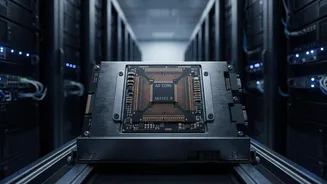
from reaching entities in countries deemed a national security risk, most notably China. The primary method was straightforward: restrict the physical shipment of these chips. If a company couldn't buy and import the hardware, it couldn't use it to train powerful AI models for military or surveillance purposes. However, technological advancement has created new pathways to the same computing power, forcing regulators to evolve their thinking from controlling physical goods to controlling access itself.
What is the 'Remote Access' Loophole?
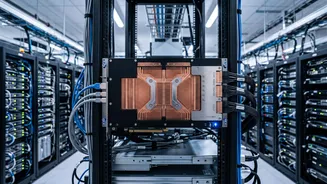
While direct sales of top-tier AI chips to China were banned, a significant loophole remained. A Chinese company could legally rent computing power from a data center located in a third country, like Singapore, Malaysia, or Thailand. These data centers could be packed with the very same restricted US-designed chips. In effect, Chinese AI developers could train their models on the world's best hardware without ever importing a single chip, simply by accessing it through the cloud. This practice was not explicitly covered by previous export regulations, which focused on the 'export, reexport, or transfer' of physical items. As cloud computing and remote infrastructure became more sophisticated, this gap grew into a major avenue for circumventing the spirit, if not the letter, of the law.
What the New Rule Changes
The new interim final rule, issued by the Commerce Department's Bureau of Industry and Security (BIS) on November 16, 2026, directly addresses this problem. It requires a license for exporting advanced AI items to any data center in the world if there is knowledge that the center will provide significant computing power to companies headquartered in a restricted nation (like China, Russia, or Iran) or whose ultimate parent company is based there. This shifts the compliance burden significantly. Now, chip suppliers, cloud providers, and data center operators must conduct due diligence on not just where their chips are going, but who will ultimately be using the computing power they provide, even remotely. The rule essentially treats providing remote access to a restricted entity as a transfer of the technology itself.
New Scrutiny on Third Countries
The rule also places five specific countries under a microscope: Indonesia, Malaysia, Singapore, Thailand, and Brazil. The BIS designated these nations as presenting a 'higher-than-normal risk of diversion'. Consequently, shipments of advanced chips to these countries now require an export license. This move is a direct response to intelligence showing that data centers in these regions were being used as hubs for Chinese companies to access computing resources. The goal is to give US regulators more oversight over tech supply chains and prevent friendly trading partners from becoming unwitting middlemen in the US-China tech rivalry.
Industry Impact and Geopolitical Context
For the tech industry, the implications are immediate. US cloud providers and data center operators worldwide must now implement robust customer screening processes to ensure they are not inadvertently serving restricted clients. This adds a new layer of complexity and cost to their operations. The rule was announced amid heightened scrutiny of the industry, following the resignation of Nvidia's CEO in connection with a scandal involving a Singapore-based data center company suspected of diverting chips to China. The Chinese government has condemned the new rule, calling it 'economic coercion and long-arm jurisdiction'. The move signals that the US is committed to a more comprehensive and aggressive strategy to contain China's AI ambitions, extending its reach beyond its own borders and deep into the global cloud infrastructure.