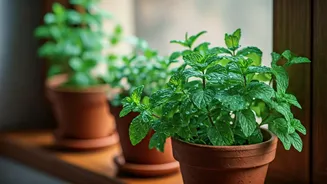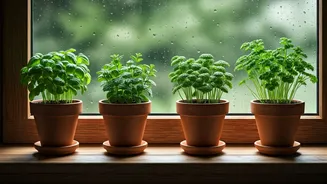

Holy Basil (Tulsi)
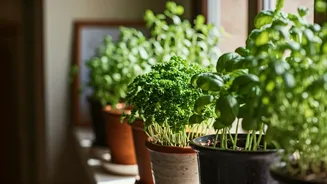
A staple in almost every Indian household, Tulsi is revered for its medicinal properties and its ability to thrive in warm, humid conditions, making the monsoon its ideal growing season. It’s a hardy plant, perfect for beginners, and its leaves can be used
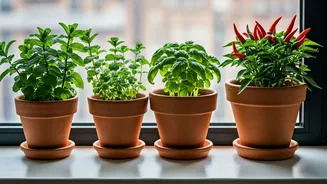
to make a soothing tea, especially welcome during a season known for colds and coughs. For a windowsill garden, choose a medium-sized pot with excellent drainage holes to prevent waterlogging, which can cause root rot. A mix of loamy soil and compost is ideal. While Tulsi loves light, the monsoon sun can be intermittent. Place it on a sill that gets at least four to six hours of indirect or morning sunlight. The most crucial monsoon care tip is to avoid overwatering. Let the top inch of the soil dry out before watering again, and if your pot is exposed to heavy rain, move it to a more sheltered spot. Regularly pinching the top leaves will encourage the plant to grow bushier.
Mint (Pudina)
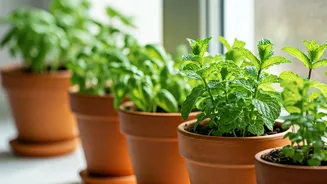
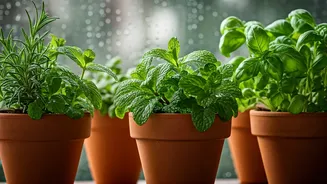
Mint is famously easy to grow and its refreshing flavour is perfect for everything from chutneys to cooling drinks. It flourishes in the cool, damp conditions of the monsoon and grows rapidly. The easiest way to start is with cuttings from a healthy bunch of mint, which root readily in a glass of water. Once roots appear, plant them in a wide, shallow container, as mint tends to spread horizontally. A mix of soil, compost, and a bit of sand for drainage works wonders. Mint is not fussy about sunlight and does well with partial sun, making it ideal for apartment windowsills that might not get direct light all day. Keep the soil consistently moist but never waterlogged — good drainage is key, especially during the rains. Harvest leaves frequently by snipping the stems; this encourages the plant to become bushier and more productive, ensuring you have a steady supply all season.
Coriander (Dhania)
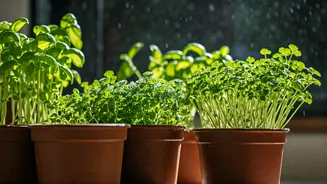
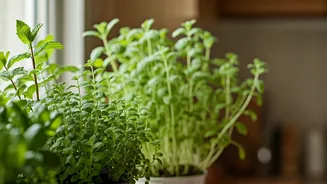
No Indian kitchen is complete without fresh coriander, and growing it during the monsoon is surprisingly simple. The season’s humidity and moderate temperatures support rapid germination and growth. It’s best grown from seeds, which you can even get from your own spice rack — just make sure they are whole, not split. Gently crush the whole seeds and soak them overnight to speed up germination before sowing them in a pot that is at least six inches deep to accommodate its taproot. Use a light, well-draining soil mix of garden soil, compost, and cocopeat or sand. Coriander prefers gentle, filtered sunlight, as the harsh sun can cause it to flower prematurely. A windowsill with morning sun is perfect. During the monsoon, you won’t need to water as often, but ensure the soil remains moist. If the pot is rained on, make sure the excess water can drain away easily to prevent root rot.
Lemongrass
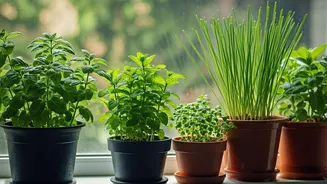
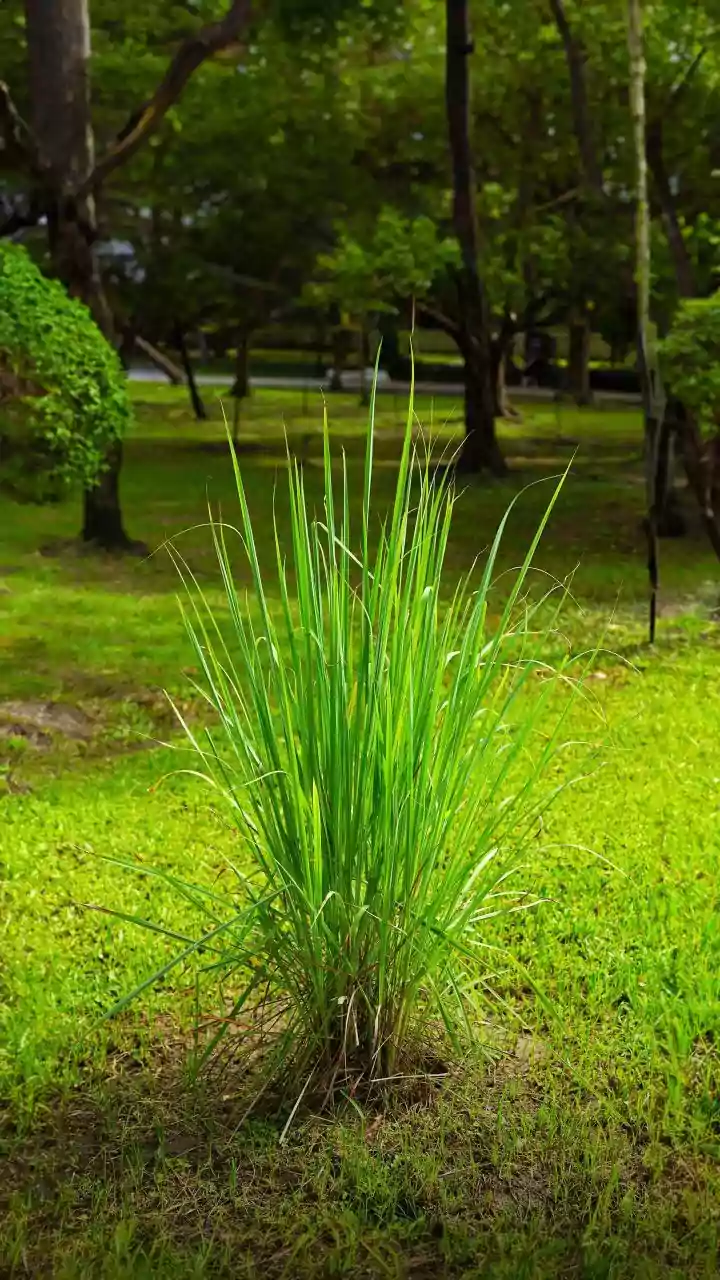
The fragrant stalks of lemongrass are essential for herbal teas and many Asian dishes, and it’s a plant that loves the heat and humidity of the monsoon. While it can grow quite large, it does well in a container on a sunny windowsill. The easiest way to propagate it is from fresh stalks bought at a grocery store. Simply place the stalks in a glass of water, and once roots begin to sprout, you can plant them in a deep pot filled with a well-draining potting mix. Lemongrass needs plenty of sunlight to thrive, so a spot that receives at least six hours of direct sun is ideal. It loves moisture, so keep the soil evenly moist, but ensure the pot has good drainage to prevent it from becoming waterlogged. You can start harvesting the leaves for tea once the plant is established, or wait for the stalks to thicken for use in cooking.