




The Drainage Dictatorship
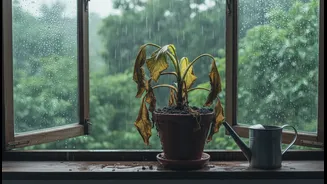
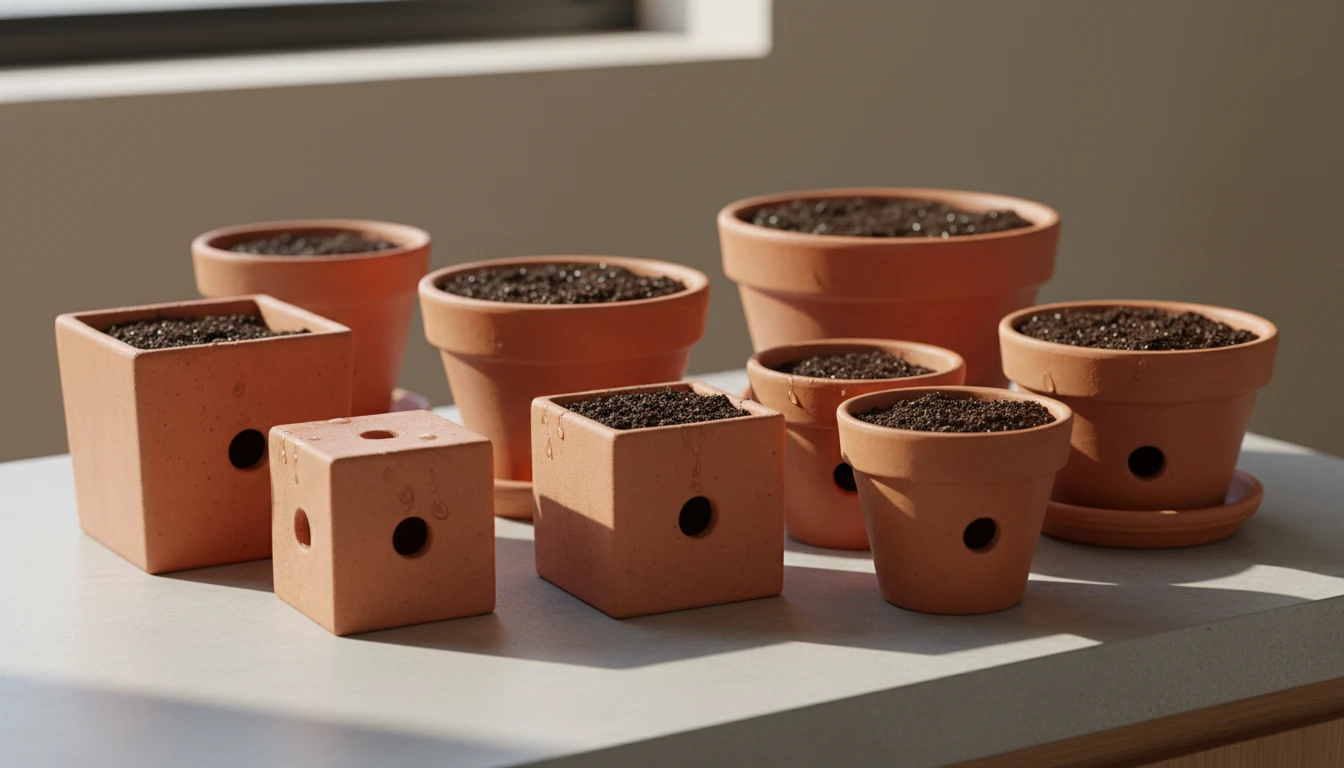
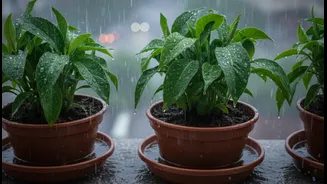
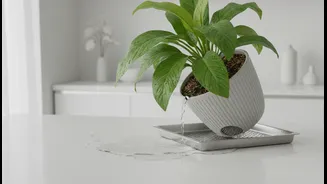
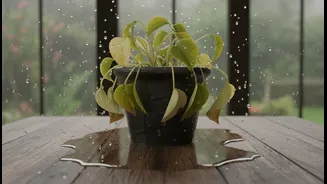
The single most important rule of monsoon plant care is this: water must always have an escape route. Continuous rain and high humidity mean soil stays wet for days, creating the perfect conditions for root rot, a fungal disease that suffocates roots
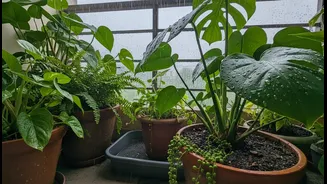
and is the primary killer of plants this season. Before you do anything else, become a drainage dictator. Check every pot to ensure drainage holes are clear and unobstructed. Elevate your pots using bricks, stones, or pot stands to prevent them from sitting in puddles and to improve airflow underneath. If a plant looks droopy even when the soil is wet, it's a classic sign its roots are suffocating. Your vigilance on this one point will save more plants than any other action.
Rethink Your Watering Can
During the monsoon, your watering schedule needs a complete overhaul. With high ambient humidity and frequent showers, plants need significantly less water from you. Sticking to a summer watering routine is a common and fatal mistake. The golden rule is to check the soil first. Insert your finger about an inch or two into the soil. If it feels damp, do not water the plant. Let the top layer of soil dry out between waterings. This simple discipline prevents the waterlogged conditions that invite fungal gnats and other pests that thrive in persistently moist soil.
A Soil Mix Built for Speed
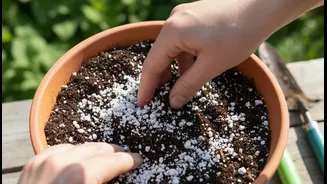
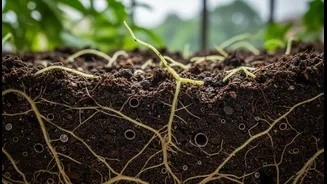
Dense, heavy soil is a death sentence in the rainy season because it retains too much water. Your plants need a potting medium that drains quickly. If you're repotting, now is the time to create a well-aerated mix. Combine your regular potting soil with materials like coco peat, perlite, or coarse sand. These amendments create air pockets in the soil, allowing excess water to drain away and oxygen to reach the roots. For existing plants, you can gently aerate the soil by poking a skewer or chopstick into the pot, being careful to avoid the main root ball. This creates small channels for air and water to move more freely.
Pruning for Better Breathability
High humidity and stagnant air are a breeding ground for fungal diseases like powdery mildew. Proactive pruning is your best defence. Trimming overgrown or dense foliage allows for better air circulation around the stems and leaves, helping them dry faster after a downpour. This isn't just about aesthetics; it’s a crucial preventative health measure. Regularly remove any yellowing leaves, dead branches, or spent flowers. This not only improves airflow but also removes potential sites for disease and pests to take hold.
Pest and Fungus Patrol
The monsoon is party season for pests and fungi. Slugs, snails, aphids, and mealybugs flourish in the damp conditions, while fungal spots can appear on leaves overnight. Be vigilant and inspect your plants regularly, paying close attention to the undersides of leaves and the soil surface. At the first sign of trouble, act fast. A preventative spray of neem oil solution every 10-15 days can work wonders as a natural fungicide and pesticide. Removing infected leaves immediately can also stop a problem from spreading to the rest of the plant.
Strategic Relocation
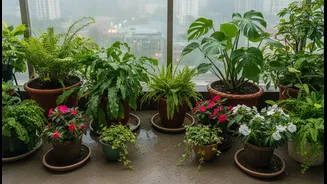
While some rain is good, days of relentless downpour can be too much for most potted plants. If possible, move your more sensitive plants, especially succulents and cacti, to a sheltered location like a covered balcony or under an eave. This protects them from the direct force of heavy rain while still giving them access to the bright, indirect light they need. Even on cloudy days, light is crucial for photosynthesis. Rotating your plants every few days can also help ensure all sides get some exposure to the available light, preventing them from becoming lopsided or 'leggy'.