




Eating with the Seasons
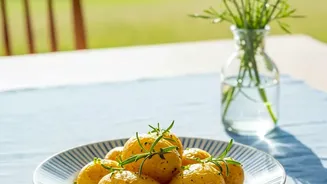
In rural Portugal, eating seasonally isn't a modern trend; it's a centuries-old way of life dictated by the land itself. The menu changes with the calendar. Spring brings fresh fava beans, often stewed with mint and pork ribs, and wild asparagus foraged
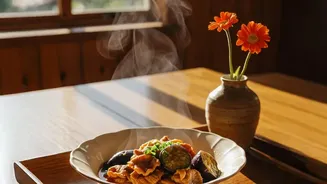
from the Alentejo plains. Summer is the season of grilled sardines, juicy tomatoes, and sweet melons served with cured ham. Autumn offers a bounty of grapes during the 'vindimas' (harvests), roasted chestnuts, wild mushrooms, and hearty stews like 'chanfana' (slow-cooked goat in red wine). Winter calls for warming, soulful dishes such as 'caldo verde', a kale and potato soup fortified with chouriço, or rich bean stews that ward off the chill. This rhythm ensures that what you eat is at its peak flavor, fresh from the soil or sea.
The Pillars of the Kitchen
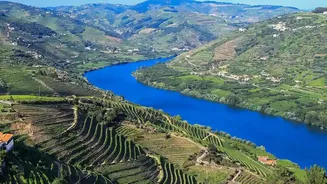
Three ingredients form the holy trinity of the Portuguese countryside kitchen: bread, olive oil, and wine. In regions like the Alentejo, known as Portugal's breadbasket, bread is not just a side dish but a core component of meals like 'açorda', a savory bread-based soup flavored with garlic and coriander. Olive oil is the liquid gold that flows through the cuisine, used for cooking and generously drizzling over finished dishes to add a fruity, peppery finish. Many communities have a shared olive press. And wine, from the crisp 'Vinho Verde' of the Minho region to the robust reds of the Douro and Alentejo, is an inseparable part of the meal, reflecting the terroir of its origin.
A Culture of Self-Sufficiency
Historically, the countryside was defined by self-sufficient agricultural estates known as 'quintas'. These family-owned properties were the economic and social heart of rural communities, often encompassing not just a manor house but also vineyards, olive groves, orchards, and vegetable gardens. The term 'quinta' itself comes from the Latin for 'fifth', referencing the portion of produce historically paid as rent to landowners. While many old quintas have evolved, the principle of using what the land provides remains. Many have now opened their doors to visitors, offering an authentic agritourism experience where you can see exactly where your food comes from, connecting the plate to the pasture.
The Taste of the Land
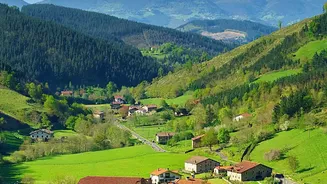
Different landscapes produce distinct flavors. The mountainous interior of Trás-os-Montes is known for its cured meats and smoked sausages, like the 'alheira', a sausage with a fascinating history born of survival during the Inquisition. The rolling plains of the Alentejo are home to the 'porco preto', the black Iberian pig that roams freely, feasting on acorns to produce exceptionally flavorful ham and pork dishes. Meanwhile, the high peaks of the Serra da Estrela are famed for their creamy, pungent sheep's milk cheese, a protected delicacy. This regional diversity is the true heart of Portuguese cuisine; every dish tells a story about its specific place.
Food as Community
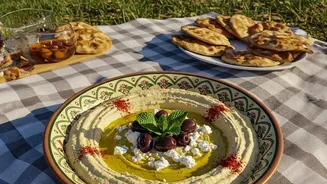
In rural Portugal, food is rarely just about sustenance; it's the centerpiece of community and celebration. Meals are not rushed affairs but opportunities to connect with family and friends. From local 'festas' celebrating a patron saint to the communal effort of the annual grape or olive harvest, food brings people together. The simple act of sharing 'petiscos' (small plates similar to tapas) at a local 'tasca' (tavern) or gathering for a Sunday family lunch that lasts for hours is a cherished social ritual. To be invited to a Portuguese table is to be welcomed into the heart of the culture.