








The dream of an offbeat hill station stay—serene, uncrowded, and close to nature—is powerful. But the reality of remote travel requires preparation. To ensure your tranquil escape doesn't turn into a logistical nightmare, here’s what to check.
Verify Accommodation Details Thoroughly
Offbeat
destinations are often dominated by homestays and small guesthouses rather than large hotel chains. While this offers a wonderful, authentic experience, it also means amenities can vary wildly. Before booking, don't just rely on attractive photos. Read recent reviews carefully for mentions of cleanliness, hot water availability, and bathroom types (private vs. shared). It is a good idea to communicate directly with the host to confirm essentials like power backup, meal arrangements, and room heating, especially for winter trips. Remember, a 'rustic' experience should be charming, not a series of uncomfortable surprises.
Check Connectivity and Last-Mile Access
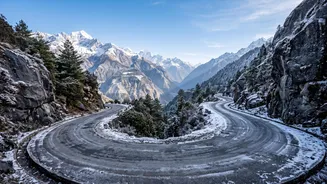
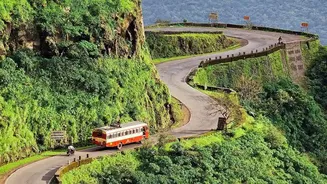
These destinations are 'offbeat' for a reason—they are often harder to reach. While major highways might get you close, the final stretch can involve narrow, poorly maintained roads. Research the exact location of your stay and ask the host about road conditions, especially during monsoon or winter when risks of landslides are higher. Confirm the availability of local transport if you aren't driving your own vehicle. A beautiful stay is of little use if getting there is fraught with risk or unexpected hurdles. Build in extra time for your journey, as mountain travel is often slower than expected.
Plan for a Digital Detox (Even If Unintentional)
While many hosts advertise Wi-Fi, the reality in remote areas is often a slow or intermittent connection. Similarly, mobile network coverage can be patchy, with only certain providers working in specific valleys. It's wise to check with your host about which networks perform best in their area. Prepare for the possibility of being offline by downloading maps, guides, and entertainment in advance. Inform your family and friends of your itinerary and potential lack of connectivity so they don't worry.
Prioritise Health and Safety
Access to healthcare in rural and remote areas of India can be limited. Most villages will not have a large hospital, and the nearest well-equipped medical facility could be hours away. Pack a comprehensive first aid kit with medications for common ailments like fever, headaches, allergies, and stomach issues, along with any personal prescriptions. It's also crucial to have travel insurance that covers medical emergencies. While telemedicine services are growing in India, they depend on connectivity, which can't be guaranteed.
Manage Your Money and Expectations
Do not assume you can rely on digital payments or find an ATM easily. Many small towns and villages have limited banking facilities, and card machines are rare. Carry enough cash to cover your expenses for the duration of your stay, including accommodation, food, and local transport. Beyond finances,
it is important to manage your expectations. An offbeat stay is about embracing a slower pace and a different way of life. Be respectful of local customs,
dress modestly,
and interact with your hosts and the community with an open mind.
Pack Smart for Comfort and Climate
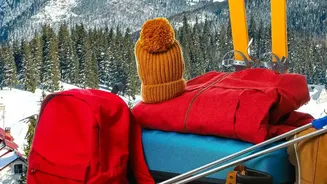
Packing for a hill station requires thinking in layers. Even in summer,
evenings can get chilly.
Pack lightweight,
breathable clothes that can be layered with a fleece or a warm jacket.
A waterproof jacket or a compact umbrella is essential,
as weather in the mountains can change suddenly.
Sturdy,
comfortable walking shoes are non negotiable.
Other essentials include a power bank,
a torch,
sunscreen,
insect repellent,
and any snacks you can't live without,
as local shops may have limited options.